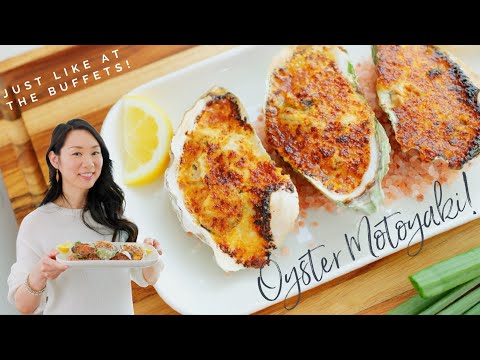
Oyster Motoyaki (Japanese Miso Baked Oysters)
Oyster Motoyaki (Japanese Miso Baked Oysters) is a medium Japanese recipe that serves 2. 350 calories per serving.
Prep: 20 min | Cook: 8 min | Total: 40 min
Cost: $15.67 total, $7.84 per serving
Ingredients
- 6 pieces Large oysters (In shell, fresh)
- 0.5 tablespoon Lemon juice (Freshly squeezed preferred)
- 0.5 tablespoon Mirin (Japanese sweet cooking sake)
- 1 tablespoon Miso paste (White (shiro) miso, low sodium preferred)
- 0.5 teaspoon Sugar
- 0.5 cup Japanese mayonnaise (Kewpie brand preferred)
- 1 dash Paprika (Optional, for heat)
- 1-2 tablespoons Panko crumbs or pork panko (Optional, for texture)
- 1 sheet Aluminum foil (For lining baking tray)
- to taste Salt (Optional, for serving)
- as needed Lemon wedges (For serving)
Instructions
Make the miso mayo sauce
In a small bowl, combine 0.5 tbsp lemon juice, 0.5 tbsp mirin, 1 tbsp miso paste, and 0.5 tsp sugar. Mix well until smooth. Add 0.5 cup Japanese mayonnaise and a dash of paprika (optional). Mix until fully combined. Stir in 1-2 tbsp panko or pork panko if desired for texture.
Time: PT5M
Prepare and open the oysters
Place the 6 oysters (in shell) on a microwave-safe plate. Microwave on 70% power for 30 seconds to loosen shells. Carefully remove and use a knife to pry open the shells. Run the knife along the top edge to release the oyster meat. Set aside.
Time: PT5M
Preheat oven and prepare baking tray
Preheat oven to 350°F (175°C). Line a small baking tray with aluminum foil, crinkling it to create a stable surface for the oyster shells to sit upright.
Time: PT3M
Temperature: 350°F
Chop oysters and assemble
Optionally, chop oyster meat into bite-sized pieces and return to the bottom shell. Arrange shells on the prepared tray.
Time: PT3M
Top oysters with sauce
Spoon 1-2 scoops of the miso mayo sauce over each oyster, covering the meat completely.
Time: PT2M
Bake oysters
Bake oysters in the preheated oven for 5 minutes.
Time: PT5M
Temperature: 350°F
Broil for golden top
Switch oven to broil. Broil oysters for 1-2 minutes, watching closely, until tops are golden and slightly blistered.
Time: PT2M
Temperature: Broil
Cool and serve
Remove oysters from oven and let cool for 1-2 minutes. Transfer to serving plate. Optionally, sprinkle salt on the plate to help keep shells upright. Serve with lemon wedges.
Time: PT2M
Cleanup
Wash all used utensils, mixing bowls, knives, cutting board, baking tray, plate, and serving utensils. Discard or compost oyster shells.
Time: PT12M
Nutrition Facts
- Calories
- 350
- Protein
- 12g
- Carbohydrates
- 10g
- Fat
- 28g
- Fiber
- 0.5g
Dietary info: Pescatarian, Low carb (if using pork panko), Dairy-free, low-carb, keto-friendly, low-calorie
Allergens: Shellfish, Egg, Soy, Gluten (if using regular panko)
Ingredient Substitutions
- Instead of Large oysters: Small oysters (adjust quantity), Pre-shucked oysters (less flavor)
- Instead of Lemon juice: Bottled lemon juice, Yuzu juice
- Instead of Mirin: 1/2 tbsp sake + 1/4 tsp sugar, Rice wine + sugar
- Instead of Miso paste: Yellow miso, Red miso (stronger flavor)
- Instead of Sugar: Honey, Agave syrup
- Instead of Japanese mayonnaise: Regular mayonnaise + 1 tsp rice vinegar + 1 tsp sugar
- Instead of Paprika: Cayenne pepper (spicy), Chili powder
- Instead of Panko crumbs or pork panko: Crushed crackers, Breadcrumbs, Omit for gluten-free
- Instead of Aluminum foil: Parchment paper (less stable for shells)
- Instead of Lemon wedges: Yuzu wedges, Lime wedges
Equipment Needed
- Small mixing bowl
- Spoon or small whisk
- Microwave (optional)
- Knife (for shucking and chopping oysters)
- Cutting board
- Baking tray
- Aluminum foil
- Oven with broiler function
- Tongs or oven mitts
- Serving plate
- Fork (for eating)
Critical Steps — Do Not Skip
- Properly shucking or opening oysters without injury.
- Ensuring oysters are not overbaked or overbroiled.
- Covering oysters completely with sauce to prevent drying out.
- Watching closely during broiling to prevent burning.
Chef Tips from the Video
- Kewpie mayo gives authentic flavor, but you can make a substitute with regular mayo, rice vinegar, and sugar.
- Pork panko is a great low-carb alternative to regular panko.
- Use a kitchen towel to grip oysters securely when opening.
- Serve immediately for best texture and flavor.
Troubleshooting
Oysters are tough or rubbery.
Reduce baking or broiling time; oysters cook quickly and become tough if overcooked.
Sauce is too runny.
Add more panko or refrigerate sauce briefly to thicken.
Oysters tip over during baking.
Crinkle foil more or use a bed of salt to stabilize shells.
Oysters are hard to open after microwaving.
Microwave for an additional 10-15 seconds, but do not overcook.
Storage
Refrigerator: Store leftovers in an airtight container for up to 1 day. Reheat gently; oysters may toughen.
Freezer: Not recommended; texture will suffer.
Room temperature: Do not leave at room temperature for more than 1 hour due to seafood safety.
Make-Ahead Tips
- Sauce can be made up to 2 days ahead and stored in the refrigerator.
- Oysters should be shucked and baked just before serving for best texture.
Last updated: August 20, 2026