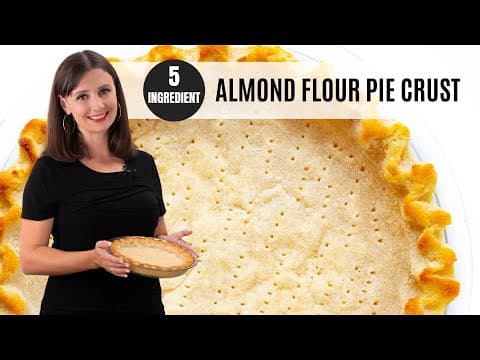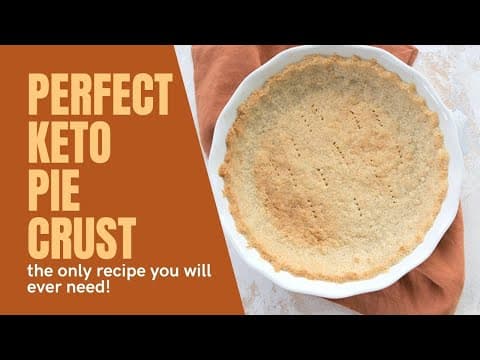
Almond flour pie crust is the cornerstone of low‑carb and keto baking, offering a buttery, slightly nutty base that works for both sweet tarts and savory quiches. Because it contains no gluten, the crust can be more fragile, but it also browns in the oven about 5‑10 minutes faster than a traditional wheat flour crust, thanks to the higher fat content and lower protein structure.
This guide brings together four real recipes extracted from YouTube cooking videos—Bobby Parrish, Wholesome Yum, In the Kitchen with Karen, and All Day I Dream About Food—to show how each creator tackles the same fundamental ingredient in different ways. By comparing ingredients, prep times, serving yields, and chef tips, you’ll see which method best matches your flavor preference and whether you should reach for butter, coconut oil, or a blend.
Variations and Styles of Almond Flour Pie Crust
One of the most common challenges with almond flour crust is blind‑baking without cracking. The consensus among the creators is to chill the dough (10 minutes for Wholesome Yum and All Day I Dream About Food) and to press it evenly into a parchment‑lined pan, which reduces shrinkage. Some cooks, like Wholesome Yum, add a touch of vanilla extract for a subtle sweet note, while others keep the flavor neutral for savory applications (e.g., the chicken pot pie crust by In the Kitchen with Karen).
Fat choice dramatically affects texture and flavor. Unsalted butter appears in three of the four recipes, delivering a flaky, buttery finish. Bobby Parrish even pairs butter with grass‑fed ghee for a richer crust on his fish dish. Coconut oil is not directly listed, but the editorial angle notes that a neutral‑tasting oil can replace butter when a dairy‑free crust is desired, though it may yield a slightly less flaky result.
Sweet versus savory is another axis of variation. Wholesome Yum and All Day I Dream About Food sweeten their crusts with monk‑fruit blend or Swerve, perfect for desserts. In contrast, Karen’s pot‑pie crust stays entirely savory, relying on a light dusting of sea salt and the natural richness of butter. The faster browning of almond flour—often visible as a golden‑brown edge after just 12‑15 minutes—stems from the higher fat content conducting heat more efficiently than the starch in wheat flour.
How 4 YouTube Cooks Make Almond Flour Pie Crust
| Creator (Channel) | Style | Total Time | Serves | Distinguishing Choice |
|---|---|---|---|---|
| Bobby Parrish | Cheese‑infused, savory crust for fish | PT32M | 2 | Mixes almond flour with Pecorino Romano and ghee |
| Wholesome Yum | Sweet, buttery dessert crust (5‑ingredient focus) | PT40M | 8 | Uses monk‑fruit allulose blend and vanilla extract |
| In the Kitchen with Karen | Savory, biscuit‑like pot‑pie topping | PT1H35M | 6 | Combines almond flour with a thin layer of traditional flour for a light texture |
| All Day I Dream About Food | Simple sweet crust, minimal ingredients | PT45M | 8 | Relies on Swerve sweetener and a single butter source |
Bobby Parrish creates a cheese‑crusted tilapia that doubles as a savory almond flour crust. His key ingredients include 0.75 cup almond flour, 0.25 cup grated Pecorino Romano, and a tablespoon of grass‑fed ghee, giving the coating a rich, umami depth. He presses the mixture onto the fish, then fries at roughly 350°F to achieve a crisp, golden exterior. The chef tip to “press the coating on both sides and give it a gentle shake” ensures the crust adheres without breaking.
Wholesome Yum markets a classic keto pie crust with a sweet twist. The recipe uses 2.5 cups blanched almond flour, 0.25 cup unsalted butter, a large egg, and a monk‑fruit allulose blend for sweetness. After whisking the dry ingredients, the egg is added directly into a well, creating a pliable dough that is chilled for 10 minutes before being pressed into a parchment‑lined pan. The optional vanilla extract adds a dessert‑friendly aroma, and the creator advises greasing the pan with butter, coconut oil, or spray for an easy release.
In the Kitchen with Karen builds a savory pot‑pie topping that stays biscuit‑like rather than fully flattened. Her crust contains 1 cup almond flour combined with 2 tablespoons unsalted butter and 2 tablespoons all‑purpose flour, the latter providing a subtle structure that prevents the crust from becoming too dense. The dough is spread over a pre‑cooked filling and baked until lightly golden. Karen’s tip to “not over‑flatten the almond‑flour crust” preserves a light, airy texture that mimics a traditional pastry lid.
All Day I Dream About Food offers the most minimalist sweet crust: 1.5 cups almond flour, 0.25 cup unsalted butter, 0.25 cup Swerve sweetener, and a pinch of salt. The mixture is blended until uniform, chilled for 10 minutes, then pressed evenly into the pan and pricked with a fork to prevent bubbling. This straightforward approach yields a tender, lightly sweetened base suitable for keto pies and tarts.
Technique Consensus and Key Disagreements
All four creators agree on three core techniques: (1) whisk dry ingredients to eliminate lumps, (2) chill the dough for at least 10 minutes when the kitchen is warm, and (3) press the dough firmly into a parchment‑lined pan to avoid sticking. The consensus on chilling is reflected in Wholesome Yum’s “chill the dough ball for 10 minutes if your kitchen is warm” and All Day I Dream About Food’s identical recommendation.
The main disagreements revolve around fat choice and sweeteners. Wholesome Yum and All Day I Dream About Food both use only unsalted butter, but Wholesome Yum adds a tablespoon of butter for greasing and suggests coconut oil as an alternative, while Bobby Parrish adds grass‑fed ghee for a richer, dairy‑enhanced flavor. Sweeteners differ: Wholesome Yum relies on a monk‑fruit allulose blend, whereas All Day I Dream uses Swerve, and the savory recipes (Bobby Parrish, Karen) omit any sweetener entirely.
Temperature and baking time also vary. Bobby Parrish fries his crust at ~350°F for a crisp finish, while the baked pies (Wholesome Yum, Karen, All Day I Dream) typically bake at 350‑375°F for 12‑15 minutes blind‑baked before adding fillings. Because almond flour conducts heat more efficiently, all baked versions achieve a golden color 5‑10 minutes earlier than a comparable wheat flour crust, a fact noted in the editorial angle.
Frequently Asked Questions
Why does almond flour pie crust brown faster than a wheat flour crust?
Almond flour contains a higher proportion of fat and less protein than wheat flour, so it conducts heat more quickly and caramelizes sugars at a lower temperature, giving a golden‑brown edge in roughly 12‑15 minutes instead of the 20‑25 minutes typical for wheat.
How can I blind‑bake almond flour crust without it cracking?
Chill the dough for at least 10 minutes, press it evenly into a parchment‑lined pan, and prick the surface with a fork. Baking at a moderate 350°F and avoiding over‑flouring the edges also reduces shrink‑back and cracking.
Should I use butter or coconut oil for the best flavor in almond flour crust?
Unsalted butter provides the classic flaky, buttery flavor praised by Wholesome Yum, Bobby Parrish, and All Day I Dream About Food. Coconut oil can be used for a dairy‑free option, but it yields a slightly less flaky texture; it works well when greasing the pan, as suggested by Wholesome Yum.
Can I make a sweet almond flour crust for desserts and a savory one for pies?
Yes. Sweet versions add a low‑calorie sweetener (monk‑fruit allulose or Swerve) and optional vanilla, as seen in Wholesome Yum and All Day I Dream About Food. Savory versions omit sweeteners and may incorporate cheese or herbs, like Bobby Parrish’s Pecorino Romano blend or Karen’s thyme‑seasoned topping.
How many ingredients are truly needed for a keto almond flour pie crust?
The minimalist recipe from All Day I Dream About Food uses only four ingredients—almond flour, butter, a sweetener, and salt—proving that a functional keto crust can be made with as few as four items.
What temperature should I bake an almond flour crust?
Most creators bake at 350‑375°F. This range allows the crust to set and brown without burning the high‑fat almond flour, and it aligns with the blind‑baking times of 12‑15 minutes before adding fillings.
Does adding an egg make the crust more flaky?
Wholesome Yum’s recipe includes a large egg, which acts as a binder and adds a little extra lift, resulting in a slightly flakier texture compared to crusts that rely solely on butter and almond flour.
How do I prevent a soggy bottom when using almond flour crust?
Blind‑bake the crust on parchment, prick the base with a fork, and bake until lightly golden before adding a wet filling. The higher fat content also creates a natural barrier that resists moisture absorption.
Is it okay to use pre‑grated cheese in an almond flour crust?
Bobby Parrish’s cheese‑crusted tilapia uses freshly grated Pecorino Romano, which adheres better than pre‑grated varieties. Freshly grated cheese releases more moisture and flavor, improving both texture and taste.
How long should I chill the dough before pressing?
Both Wholesome Yum and All Day I Dream About Food recommend a 10‑minute chill in the refrigerator, especially in warm kitchens, to firm the butter and make the dough easier to handle without tearing.