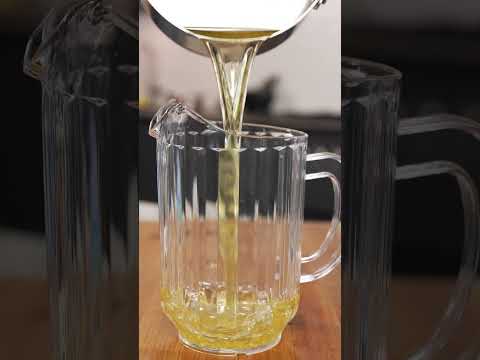
Homemade lemonade is the quintessential summer refresher: bright citrus, a touch of sweetness, and endless room for personal flair. On YT Recipe we extracted eight full‑text recipes from popular YouTube chefs—including Nick DiGiovanni, Roice Bethel, Meat Church BBQ, The Happy Pear, The Flavor Bender, Jerra's Fresh Kitchen, DIY Derek, and Masof's Kitchen—to show exactly how each creator builds their version.
These eight videos span the spectrum from a textbook classic to a smoky cocktail, a probiotic gut‑friendly brew, and even a color‑changing Thai blue lemonade. By comparing ingredients, prep times, and the unique tricks each chef shares, this guide gives you the data you need to decide which method fits your palate and kitchen setup.
Variations and Styles of Homemade Lemonade
The most common divide is the simple‑syrup method versus the whole‑lemon blender method. The simple‑syrup approach (Nick DiGiovanni, Roice Bethel, The Flavor Bender, Jerra’s Fresh Kitchen) starts by dissolving sugar in water over heat, then cooling and mixing with fresh lemon juice. This yields a clear, stable sweetness and makes it easy to scale the sugar‑to‑water ratio per quart. For example, Nick uses 1 cup granulated sugar with 4 cups total water (1:4), while Roice doubles the sugar to 2 cups for 6 cups water (1:3).
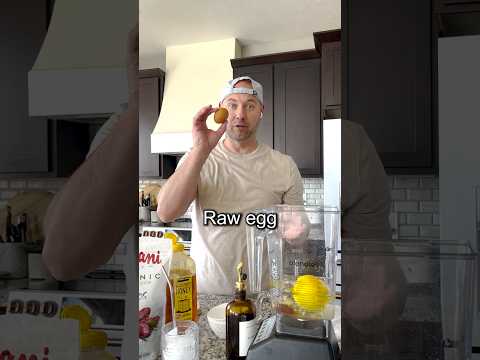
The whole‑lemon blender style (DIY Derek) drops the syrup entirely, blending an entire lemon with water, honey, olive oil, and even a raw egg to create a frothy, emulsified drink in under 15 minutes. This method preserves the lemon’s pulp and essential oils but can result in a cloudier texture.
Beyond those two camps, regional twists appear. A Brazilian limonada traditionally adds a splash of condensed milk or uses less sugar, but the concept of adjusting sugar ratios per quart still applies. Fermented lemonade (The Happy Pear) swaps plain syrup for a low‑sugar, probiotic‑rich base, while smoked lemonade (Meat Church BBQ) incorporates smoked simple syrup for a caramel‑deep flavor. Finally, the butterfly‑pea‑infused versions (The Flavor Bender, Jerra’s Fresh Kitchen) turn the drink into a visual spectacle, shifting from deep blue to pink as lemon juice is added.
How 8 YouTube cooks make Homemade Lemonade
Below is a side‑by‑side look at each creator’s recipe, linked to the full YT Recipe page for deeper details.
| Creator (Channel) | Style | Total Time | Serves | Distinguishing Choice |
|---|---|---|---|---|
| Nick DiGiovanni | Classic Simple‑Syrup | PT32M | 6 | Zest added, pinch of sea salt, mint finish |
| Roice Bethel | Michelin‑Star Simple‑Syrup | PT45M | 4 | Massage sugar with zest, ultra‑clear filtered syrup |
| Meat Church BBQ | Smoked Cocktail | PT45M | 2 | Smoked simple syrup, grilled lemons, vodka boost |
| The Happy Pear | Fermented Gut‑Friendly | PT48H15M | 4 | Raw cane sugar, whey/kefir starter, 48‑hour fermentation |
| The Flavor Bender | Galaxy Color‑Changing | PT49M | 4 | Butterfly pea flowers, club soda, mint garnish |
| Jerra's Fresh Kitchen | Thai Blue Color‑Changing | PT50M | 4 | Half sugar, half allulose, 20‑minute steep |
| DIY Derek | Whole‑Lemon Blender | PT14M | 2 | Olive oil, honey, raw egg, whole lemon blended |
| Masof's Kitchen | Hibiscus Ginger Refresh | PT40M | 4 | Steeped hibiscus, ginger, optional sparkling water |
Nick DiGiovanni (Classic Simple‑Syrup) starts with a traditional 1 cup sugar‑to‑1 cup water syrup, zesting five lemons, then adding three cups cold water and ice. His tip to roll lemons before juicing and a pinch of sea salt sharpen the brightness.
Roice Bethel (Michelin‑Star) doubles the sugar (2 cups) and uses eight lemons for zest, massaging the sugar into the zest before boiling. He filters the hot syrup through a coffee filter for crystal clarity.
Meat Church BBQ (Smoked) builds a smoked simple syrup, grills two lemons, and adds vodka for a cocktail‑ready lemonade. Turbinado sugar adds a caramel note, and the smoked syrup provides depth beyond plain sugar.
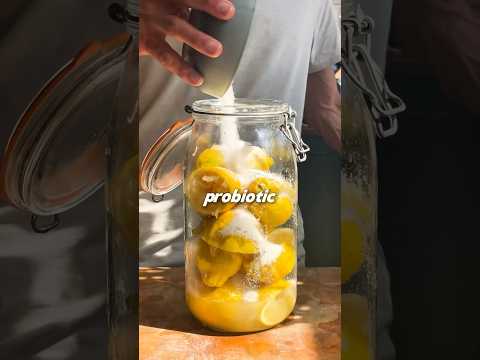
The Happy Pear (Fermented) mixes raw cane sugar with whey or kefir and lets the blend sit 48 hours, creating a probiotic beverage that’s low‑calorie (80 kcal per serving) and slightly tangy.
The Flavor Bender (Galaxy) creates a blue syrup from butterfly pea flowers, then tops it with club soda for fizz. The visual effect relies on the pH shift when lemon juice is added, turning blue to pink.
Jerra's Fresh Kitchen (Thai Blue) uses a 1:1 blend of white sugar and allulose, steeping Thai butterfly pea flowers for 20 minutes. The allulose keeps the drink lower in calories while preserving the dramatic color change.
DIY Derek (Whole‑Lemon Blender) drops the syrup entirely, blending a whole lemon with olive oil, honey, dates, ginger, and a raw egg for a frothy, creamy texture. The high‑speed blender creates a stable emulsion in just 14 minutes.
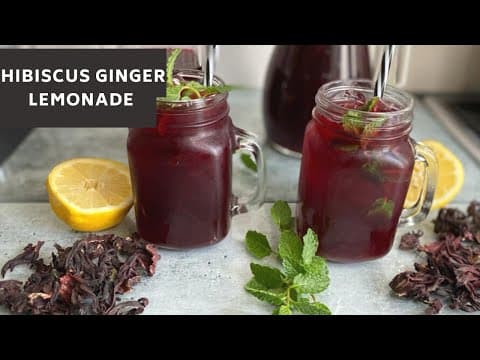
Masof's Kitchen (Hibiscus Ginger) steepes dried hibiscus flowers for ten minutes, cooks a clear simple syrup, adds fresh ginger and mint, and finishes with sparkling water for a lightly effervescent finish.
Technique Deep Dive: Consensus and Disagreements
Across the eight creators, several techniques converge:
- Zesting before juicing appears in Nick, Roice, and The Flavor Bender, proving that lemon zest adds aromatic oils that brighten the drink.
- Simple syrup boiling is a shared step for Nick, Roice, The Flavor Bender, Jerra, and Masof. The typical boil time is 1‑2 minutes until sugar dissolves, then cooling before mixing.
- Cold‑water dilution is universal: each recipe ends with a cold‑water component to reach the desired serving volume.
Key disagreements include:
- Sugar‑to‑water ratios: Nick’s classic 1 cup sugar per 4 cups water (1:4) yields a mildly sweet drink; Roice’s 2 cup sugar per 6 cups water (1:3) is noticeably richer; The Happy Pear uses only 0.25 cup sugar for 4 cups water (1:16) for a low‑sweet, probiotic profile.
- Heat treatment: Roice filters his syrup through a coffee filter for ultra‑clarity, while others simply let it cool.
- Flavor infusions: Smoked lemonade introduces a smoked simple syrup and grilled lemons, a step absent from all other recipes. Hibiscus lemonade adds a floral‑tart steep, and the butterfly‑pea drinks rely on pH‑driven color change.
- Emulsification vs. traditional mixing: DIY Derek’s inclusion of olive oil and raw egg creates a stable foam, a technique not used elsewhere.
Concrete numbers worth noting:
- Boiling sugar with water: 1 cup sugar + 1 cup water (Nick) or 2 cups sugar + 2 cups water (Roice) for 1‑2 minutes.
- Zest amounts: 1 tsp zest (Nick) versus zest of 8 lemons (Roice).
- Fermentation time: 48 hours at room temperature (The Happy Pear).
- Butterfly pea steep: 10 minutes (The Flavor Bender) vs 20 minutes (Jerra).
When choosing a method, consider the desired sweetness, visual impact, and any dietary goals (e.g., probiotic or low‑calorie). The data shows you can reliably scale any simple‑syrup recipe by maintaining the sugar‑to‑water ratio, while the whole‑lemon blender method offers speed at the cost of clarity.
Frequently Asked Questions
What is the basic ratio for homemade lemonade?
The most common simple‑syrup ratio in the eight recipes is 1 cup granulated sugar to 4 cups total water (1:4), as used by Nick DiGiovanni. Adjust the sugar up to a 1:3 ratio for a sweeter drink, or down to 1:16 for a low‑sweet probiotic version like The Happy Pear.
Do I need to boil the sugar for lemonade?
Boiling sugar with water creates a simple syrup that dissolves completely, preventing grainy texture. Six of the eight creators (Nick, Roice, The Flavor Bender, Jerra, Masof, and the fermented version) all boil their syrup for 1‑2 minutes before cooling.
Can I skip the zest and just use lemon juice?
While you can omit zest, all creators who include it (Nick, Roice, The Flavor Bender) note that zest adds aromatic oils that lift the flavor. Skipping zest will result in a flatter taste profile.
How long should I let fermented lemonade sit?
The Happy Pear’s probiotic lemonade ferments for 48 hours at room temperature, allowing the whey or kefir starter to develop live cultures and a mild tang.
Is smoked lemonade safe for kids?
Smoked lemonade (Meat Church BBQ) uses smoked simple syrup and a small amount of vodka. To make it kid‑friendly, omit the vodka and use only the smoked syrup and lemon juice.
What’s the purpose of adding a raw egg in DIY Derek’s recipe?
The raw egg creates a frothy, emulsified texture when blended at high speed, similar to a traditional egg‑white cocktail. If you’re concerned about raw egg safety, substitute pasteurized egg whites or aquafaba.
How does butterfly pea flower change the color of lemonade?
Butterfly pea flowers contain anthocyanins that are blue at neutral pH. Adding acidic lemon juice lowers the pH, turning the blue syrup to pink or purple, which is the visual trick used by The Flavor Bender and Jerra’s Fresh Kitchen.
Can I use honey instead of sugar?
DIY Derek replaces granulated sugar with honey, which adds a richer flavor and helps with emulsification when blended with olive oil. Honey is less prone to crystallization but will alter the sweetness level.
Do I need to use sparkling water?
Masof’s hibiscus ginger lemonade suggests swapping half the still water for sparkling water for extra fizz, but it’s optional. The other recipes use still water for a classic mouthfeel.
What is the best way to store homemade lemonade?
Store lemonade in a sealed pitcher or glass bottle in the refrigerator. For fermented lemonade, keep it in glass bottles to avoid chemical leaching, as advised by The Happy Pear.