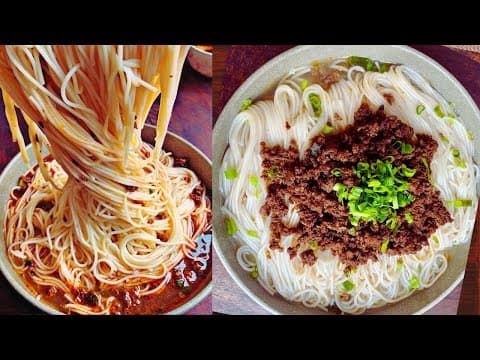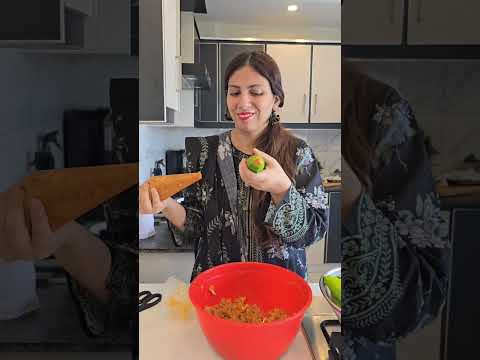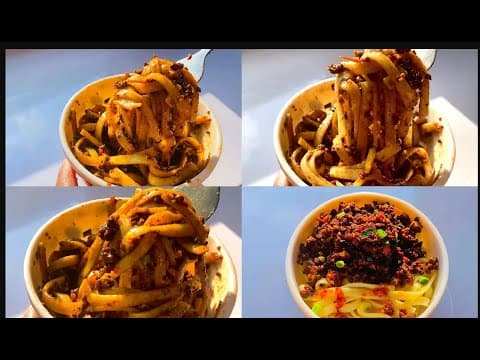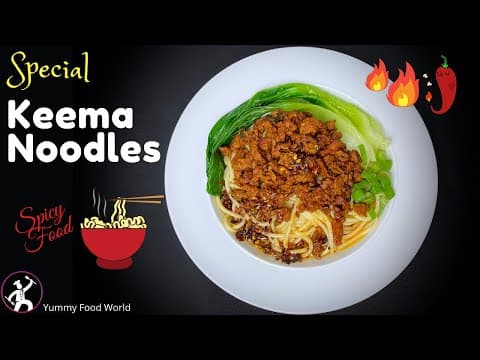
Keema—finely minced meat cooked with aromatics, spices, and often peas or potatoes—is a cornerstone of South Asian home cooking. Its simplicity hides a world of variation: a hearty chicken keema curry, a comforting keema‑matar, or an adventurous keema‑noodle fusion that marries Indian spice with Asian pasta.
This guide pulls together eight real recipes extracted from YouTube videos on Ytrecipe.com. Creators ranging from Chef Ranveer Brar to the plucky Biplove Rai Vlogs each bring a distinct approach, whether they favor whole‑spice toasting, mustard oil heat, or a quick stir‑fry of noodles. By juxtaposing their methods, you’ll see where tradition meets innovation and discover which technique best fits your pantry and palate.
Below you’ll find a side‑by‑side comparison, a synthesis of shared techniques, and answers to the most common keema questions that appear in search queries like “keema noodles” and “keema recipe.”
Variations and Styles of Keema
The eight recipes fall into three broad stylistic camps:
- Classic keema curry – Slow‑cooked, spice‑rich gravies that often include peas, spinach, or yogurt (Chef Ranveer Brar, Imran Ali, Kitchen with Amna).
- Keema‑noodle fusion – The minced meat is tossed with Asian‑style noodles, soy or mustard oil, and high‑heat aromatics (Yummy Food World, Unknown, Biplove Rai Vlogs, Plue Cooks).
- Broth‑based keema – A Tibetan‑inspired thukpa where beef bones create a clear broth and the keema is added at the end for tenderness (Dickeydol Recipe).
Each camp showcases a different “spice blooming” philosophy. Classic curries often toast whole spices (bay leaf, cinnamon, cloves) before grinding, while noodle‑centric dishes lean on hot oil flash‑frying ground spices and chilies to release immediate heat. The broth‑based version relies on simmering bones to extract deep umami before a brief keema finish.
Another axis of comparison is the choice of mince: chicken (Yummy Food World, Unknown, Biplove Rai Vlogs), beef (Plue Cooks, Dickeydol Recipe), buffalo (Plue Cooks), or lamb/mutton (Kitchen with Amna). Fat content, flavor intensity, and cooking time shift noticeably with each protein.
How 8 YouTube Cooks Make Keema
Below is a quick‑look table that captures the core data points for each creator.
| Creator (Channel) | Recipe | Style | Total Time | Serves | Distinguishing Choice |
|---|---|---|---|---|---|
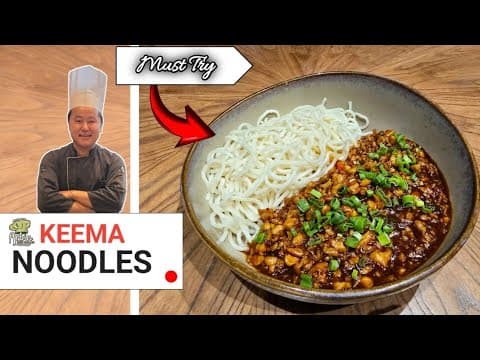
| Yummy Food World | Keema Noodles | Chicken keema‑noodle fusion | 54 min | 4 | Mustard oil & Szechuan pepper |
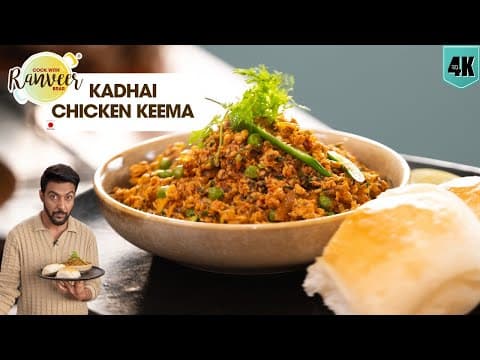
| Chef Ranveer Brar | Best Chicken Keema | Classic chicken keema curry | 60 min | 5 | Whole‑spice grind & fresh green garlic |
| Unknown | Nepali‑Style Chicken Keema Noodles | Chicken keema‑noodle fusion | 70 min | 3 | Egg‑coated keema & corn‑starch slurry |
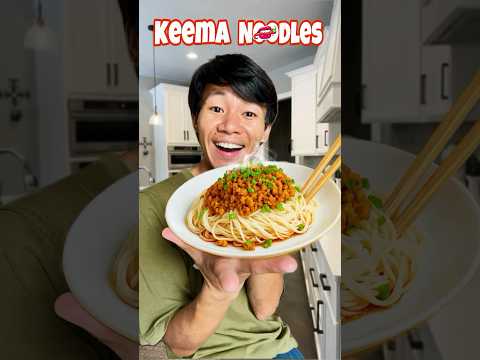
| Biplove Rai Vlogs | Spicy Keema Noodles 🍜🥵 | Chicken keema‑noodle fusion | 60 min | 3 | Kashmiri chili powder for color |
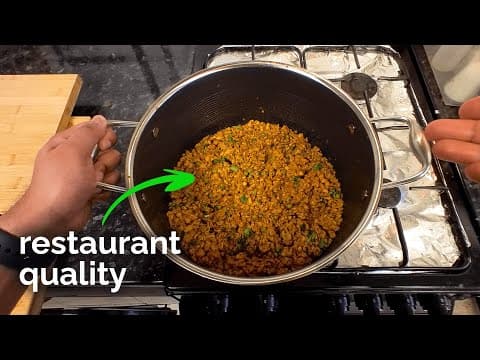
| Imran Ali | Chicken Keema Curry | Classic chicken keema curry | 130 min | 4 | Ghee + olive‑oil blend, whole spice bouquet |
| Dickeydol Recipe | Tibetan Keema Noodles (Thukpa) | Broth‑based keema | 70 min | 2 | Beef bone broth & Sichuan pepper |
| Kitchen with Amna | Stuffed Karela – Keema Bharay Karelay | Stuffed bitter‑gourd with keema | 190 min | 4 | Ground beef/mutton with turmeric‑salt soak |
| Plue Cooks | Easy Buff Keema Noodles | Buffalo keema‑noodle fusion | 85 min | 4 | Dried chilies & Sichuan pepper oil base |
Below each recipe is summarized with the most telling details from the source data.
Yummy Food World – Keema Noodles
Serves 4, 54 minutes, medium difficulty, 550 kcal per serving. The star is 800 g chicken mince cooked in smoking mustard oil, then combined with Szechuan pepper, red‑chilli powder, and soy sauce. Noodles are boiled al dente and tossed at the end. Chef tips stress a splash of fish sauce for depth and toasted sesame seeds for crunch.
Chef Ranveer Brar – Best Chicken Keema
Serves 5, 60 minutes, medium difficulty, 350 kcal. Whole spices are coarsely ground and roasted before being added to a base of onions, green garlic, and tomatoes. Fresh spinach, peas, and yogurt finish the dish, giving it a creamy texture. A pinch of fenugreek leaves is recommended for earthy depth.
Unknown – Nepali‑Style Chicken Keema Noodles
Serves 3, 70 minutes, medium difficulty, 520 kcal. Uses egg‑coated chicken leg meat (300 g) and corn‑starch to keep the keema tender. Noodles are boiled slightly softer than al dente. The dish finishes with sesame oil and a dash of wine for aroma.
Biplove Rai Vlogs – Spicy Keema Noodles
Serves 3, 60 minutes, medium difficulty, 460 kcal. Highlights include Kashmiri chili powder for vivid red color, whole cloves, and a dry spice blend pre‑mixed before hot‑oil frying. Fresh ginger and garlic are emphasized for brightness, and a final drizzle of sesame oil adds nutty nuance.
Imran Ali – Chicken Keema Curry
Serves 4, 130 minutes, medium difficulty, 350 kcal. Starts with a robust whole‑spice mix (bay leaf, cinnamon, cloves, cardamom) toasted in ghee + olive oil. Garlic‑ginger blocks are added, then tomatoes; the ground chicken is cooked until its moisture evaporates before water is introduced. Tomato‑onion puree may be blended for smoothness.
Dickeydol Recipe – Tibetan Keema Noodles (Thukpa)
Serves 2, 70 minutes, easy difficulty, 520 kcal. Beef bones are boiled, rinsed, and simmered with Sichuan pepper, cumin, and bay leaves to produce a clear broth. A small amount of beef keema is briefly cooked just before serving, preserving tenderness. Sesame oil and rice vinegar finish the broth.
Kitchen with Amna – Stuffed Karela (Keema Bharay Karelay)
Serves 4, 190 minutes, medium difficulty, 250 kcal. Bitter gourds are salted, turmeric‑soaked for two hours, then stuffed with ground beef or mutton mixed with coriander, red chili, and garlic. The stuffed gourds are shallow‑fried then slow‑cooked (dum) until the keema is fully infused.
Plue Cooks – Easy Buff Keema Noodles
Serves 4, 85 minutes, medium difficulty, 620 kcal. Buffalo mince (500 g) is dry‑toasted with dried red chilies and Sichuan peppercorns, then blended into a fiery oil. Mustard oil and a touch of dark soy sauce give the noodles a smoky, umami‑rich coating. Tomatoes are simmered at the end for acidity.
Technique Deep‑Dive: Consensus and Disagreements
Across the eight creators, three technical pillars emerge:
- Spice Blooming. Classic curries (Brar, Ali) toast whole spices until fragrant, then add ground spices and wait for oil separation – a visual cue that the spices are cooked. Noodle‑centric recipes (Yummy Food World, Biplove Rai, Plue Cooks) achieve bloom by flash‑frying ground chilies, Szechuan pepper, or dried chilies in hot oil, often at 180‑200 °C, for 30‑45 seconds before adding the mince.
- Moisture Management. All chicken‑keema videos stress cooking the mince until the water evaporates (step 7 in Yummy Food World, critical step in Imran Ali). This prevents a soggy final dish. In contrast, the broth‑based Tibetan style deliberately keeps the keema moist by adding it at the end of a 30‑minute simmer.
- Finish‑Stage Aromatics. Sesame oil appears in three noodle recipes (Yummy Food World, Unknown, Biplove Rai) as a finishing drizzle. Butter or ghee is the finish in classic curries (Imran Ali). The use of toasted cumin seeds (Dickeydol) or fish sauce (Yummy Food World) adds a final layer of depth.
Where they diverge:
- Protein Fat Content. Chicken mince (≈8‑10 % fat) cooks faster (30‑40 min total) than buffalo or beef mince, which require longer dry‑cooking (45‑60 min) to render fat and develop flavor.
- Acidity. Tomato puree or fresh tomatoes are used in classic curries (Brar, Ali) and in the buffalo noodle version (Plue Cooks) to balance heat. The Tibetan broth relies on rice vinegar for a bright finish.
- Cooking Vessels. Kitchen with Amna recommends a stainless‑steel skillet for stuffing, while the noodle dishes favor a wok or large sauté pan for high‑heat tosses.
Numbers that matter:
- Mustard oil smoking point: 250 °C – Yummy Food World heats until it smokes before adding chicken.
- Dry‑toasting chilies: 10‑5‑10 method (toast dried chilies 10 seconds, rest 5 seconds, toast again 10 seconds) appears implicitly in Plue Cooks’ tip.
- Oil separation after adding ground spices: typically 2‑3 minutes of simmering on medium‑low heat (Imran Ali).