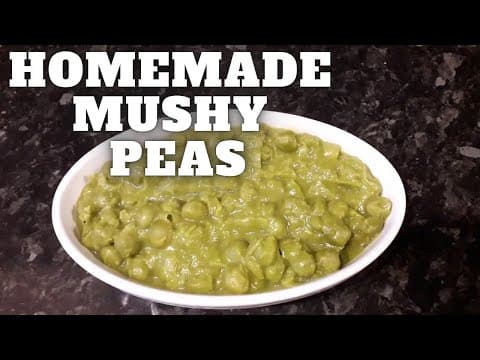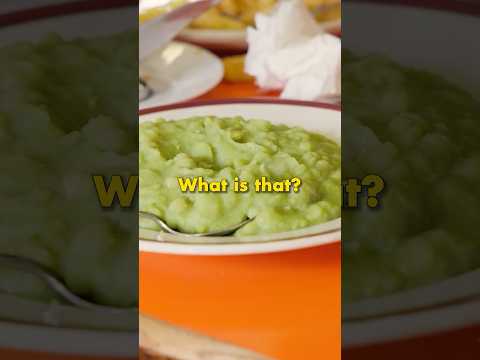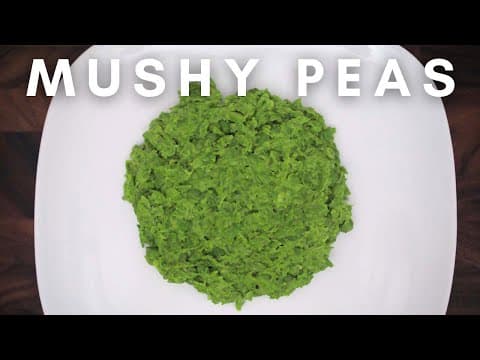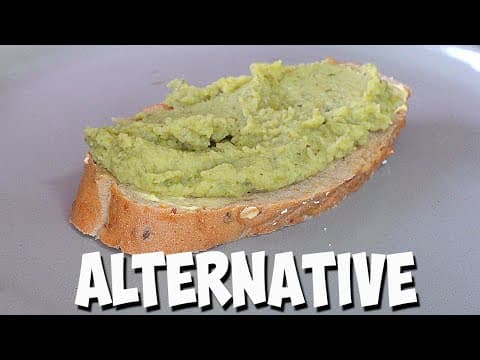
Mushy peas are a quintessential British side, most famously paired with fish and chips. The dish is a bright‑green puree of peas, softened with butter, mint and a touch of sweetness, delivering a creamy, slightly buttery mouthfeel that balances the crispness of fried fish.
This guide brings together eight real recipes extracted from YouTube cooking videos – from Backyard Chef and Ross Bamford to The West Country Kitchen and Ashley FoodTube – to show how different creators interpret the classic. By analysing ingredients, preparation times, serving sizes and chef tips, we reveal where tradition meets innovation and which method delivers the most authentic British mushy peas.
Variations and Styles of Mushy Peas
The biggest divide is between marrowfat peas and garden peas. Marrowfat peas are larger, starchier and give the dish its traditional, slightly buttery texture. Garden peas (fresh or frozen) are sweeter and produce a lighter, more delicate mash. Some creators, like Backyard Chef, even use green split peas as a low‑cost alternative, adding baking soda to soften them quickly.
Overnight soaking with a pinch of bicarbonate of soda is a common technique. The alkaline water breaks down the pea skins, shortens cooking time and helps retain a vivid green colour. Chip‑shop style mushy peas tend to be very smooth, heavily buttered and often finished with a drizzle of olive oil, while posh restaurant versions may incorporate cream, curry powder or mango chutney for added depth.
How 8 YouTube cooks make Mushy Peas
Below is a side‑by‑side look at each creator’s approach. Each recipe title links to the full transcription on YTRecipe.
| Creator (Channel) | Style | Total Time | Serves | Distinguishing Choice |
|---|---|---|---|---|
| Backyard Chef | Split‑pea, mint‑bright | PT13H15M | 8 | Uses green split peas, baking soda soak, fresh mint, olive‑oil finish |
| Ross Bamford | Marrowfat, mint‑sauce | PT13H15M | 4 | Adds sugar and white‑wine vinegar for bright flavor, generous fresh mint |
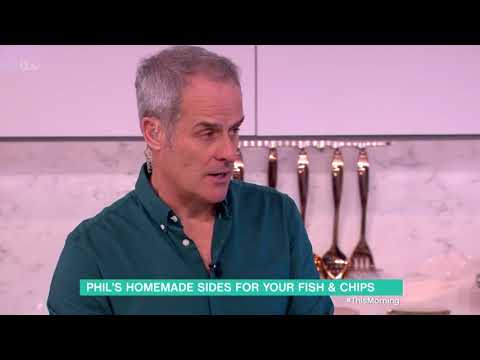
| Phil Vickery (This Morning) | Marrowfat, curry‑infused | PT1H20M | 4 | Combines mushy peas with curry powder, mango chutney and a splash of oil |
| Everyday Easy Cooking | Frozen garden peas, ultra‑smooth | PT39M | 4 | Simple butter‑free method, optional immersion‑blend for silkiness |
| JOLLY | Chip‑shop accompaniment | PT1H15M | 4 | Pairs mushy peas with battered cod and chips; includes butter finish |
| The West Country Kitchen | Posh garden‑pea mash | PT18M | 3 | Uses double cream and butter for richness; optional mint leaf blend |
| The Teesside Chef | Traditional chip‑shop | PT1H29M | 4 | Overnight bake with baking soda, optional spinach puree for colour |
| Ashley FoodTube | Traditional marrowfat | PT1H15M | 4 | Cold‑water soak, precise 12‑hour bicarbonate step, generous fresh mint |
Backyard Chef demonstrates that you can achieve a chip‑shop texture without marrowfat peas by using 1 kg green split peas, 2 Tbsp baking soda and a fresh‑mint finish. Ross Bamford sticks to the classic 300 g dried marrowfat peas, adds 150 g sugar and a splash of white‑wine vinegar for brightness, and stresses not over‑blending. Phil Vickery’s version adds curry powder, tomato paste and mango chutney, turning the side into a flavourful condiment for fish. Everyday Easy Cooking shows the fastest route with 400 g frozen peas, water, salt and sugar, blending to a silky puree in under 40 minutes.
JOLLY’s video is less about the peas themselves and more about the full fish‑and‑chips experience, yet the mushy peas still receive a butter lift. The West Country Kitchen opts for garden peas, butter, double cream and a pinch of pepper, delivering a “posh” texture that feels more like a side for a fine‑dining plate. The Teesside Chef follows a classic chip‑shop protocol: 500 g dried peas soaked overnight with 1 Tbsp baking soda, simmered with the lid on, and finished with olive oil. Ashley FoodTube provides the most detailed traditional method, soaking 500 g marrowfat peas with 11 g bicarbonate for exactly 12 hours, cooking until a dropping‑consistency, then folding in fresh mint just before serving.
Technique Deep‑Dive: Consensus and Disagreements
All eight creators agree on three core techniques: (1) an overnight soak, typically 12 hours, with a pinch of bicarbonate (≈1 tsp or 10‑11 g) to soften the skins; (2) a gentle simmer after draining, ranging from 40 minutes (Everyday Easy Cooking) to 1 hour 29 minutes (The Teesside Chef); and (3) the addition of fresh mint at the end for the signature aroma.
Where they diverge is the base pea type and enrichment. Marrowfat peas are used by Ross Bamford, Phil Vickery, Ashley FoodTube and The Teesside Chef, delivering a buttery mouthfeel. Garden peas (frozen or fresh) are chosen by Everyday Easy Cooking and The West Country Kitchen for a sweeter, lighter mash. Backyard Chef’s split peas are an economical alternative that still benefit from the alkaline soak.
Butter is a near‑universal enrich‑er: 30 g unsalted butter appears in Backyard Chef, Phil Vickery and JOLLY, while The West Country Kitchen adds 2 Tbsp butter plus 30 ml double cream for extra silk. Olive oil drizzles (Backyard Chef, The Teesside Chef) and cream (West Country Kitchen) illustrate the chip‑shop vs posh spectrum.
Sugar is deliberately added by Ross Bamford (150 g) and Everyday Easy Cooking (1 tsp) to mimic the natural sweetness of marrowfat peas. Only the traditional‑focused creators (Ross Bamford, Ashley FoodTube) warn against over‑blending; a few whole peas should remain for texture. Temperature specifics are sparse, but the chip‑shop videos advise maintaining oil at 150‑190 °C for frying, not directly relevant to the peas but indicative of the overall meal context.
Frequently Asked Questions
What are traditional British mushy peas?
Traditional British mushy peas are a smooth, mint‑flavoured puree made from dried marrowfat peas that have been soaked, simmered until soft and then mashed with butter, salt and a pinch of sugar.
Do I need marrowfat peas or can I use garden peas?
You can use either. Marrowfat peas give the classic buttery texture, while garden peas (fresh or frozen) produce a sweeter, lighter mash; both are acceptable depending on the style you prefer.
How long should I soak peas for mushy peas?
All expert videos recommend an overnight soak of about 12 hours, usually with a teaspoon (≈10 g) of bicarbonate of soda to soften the skins and preserve colour.
Why add bicarbonate of soda when soaking peas?
Bicarbonate raises the pH of the water, breaking down the pea skins more quickly, reducing cooking time and helping the peas stay a vivid green rather than turning dull.
Do I need to add sugar to mushy peas?
Traditional recipes often include a small amount of sugar (1 tsp to 150 g) to replicate the natural sweetness of marrowfat peas; it is optional but enhances flavour.
How much mint should I use for authentic flavour?
Most creators use a generous handful of fresh mint leaves and stems – roughly 2 Tbsp chopped leaves for a 4‑serving batch – added at the very end to preserve the bright aroma.
What is the difference between chip‑shop style and restaurant‑style mushy peas?
Chip‑shop mushy peas are typically very smooth, butter‑rich and may be finished with a drizzle of olive oil, while restaurant‑style versions might include cream, curry spices or chutney for added complexity.
Can I make mushy peas using frozen peas?
Yes; Everyday Easy Cooking shows a quick method using 400 g frozen peas, water, salt and sugar, blended to a silky texture in under 40 minutes.
What is the ideal consistency for mushy peas?
The ideal consistency is a thick, slightly loose puree that coats a spoon – smooth enough to dip fish, yet with a few whole peas for a pleasant bite.
How should I store leftover mushy peas?
Cool the mushy peas to room temperature, then refrigerate in an airtight container for up to three days; reheat gently on the stove with a splash of water or butter to restore creaminess.