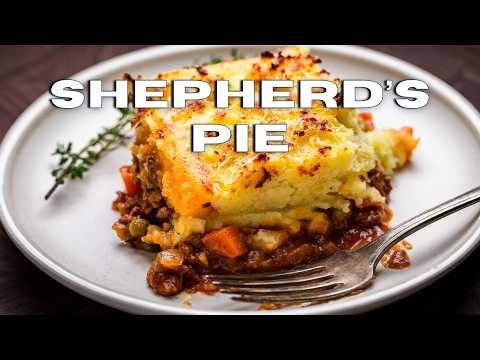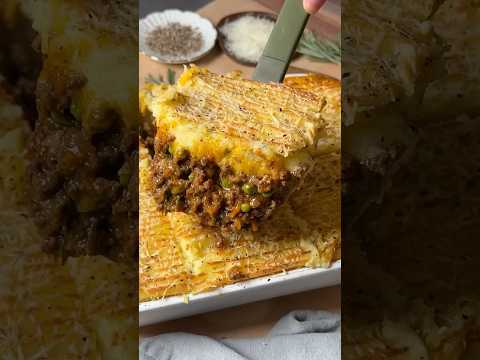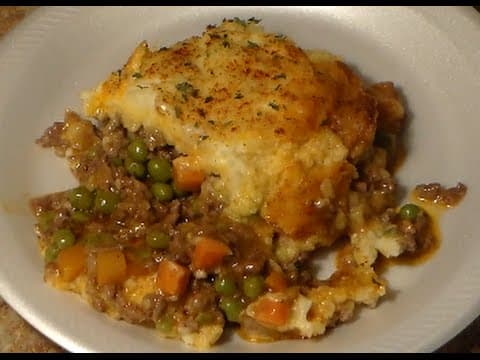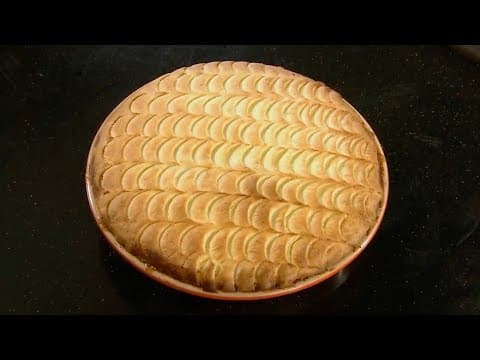
Shepherd's pie is a quintessential British comfort dish: a savory meat and vegetable filling capped with a fluffy mashed‑potato crust. Historically the "shepherd" refers to lamb, while "cottage pie" uses beef, but modern cooks freely swap proteins, even creating vegetarian versions.
This guide consolidates eight real recipes extracted from YouTube cooking videos. The creators span classic British chefs and American internet personalities, including Marco Recipes, Binging with Babish, Natashas Kitchen, Sip and Feast, Pepperbellypete, Sara – Nutrient Matters, Tasting History with Max Miller, and PhillyBoyJayCooKingShow. By laying their ingredient lists, cooking times, and chef tips side by side, we reveal how each channel interprets the dish.
Beyond meat choice, the guide highlights three recurring editorial angles: the lamb‑vs‑beef‑vs‑pork debate, Marco Pierre White’s refined, sauce‑centric approach versus the more straightforward American‑style versions, and the many mash‑topping techniques that determine whether the crust is airy, buttery, or crisp.
Variations and Styles of Shepherd's Pie
Traditional shepherd's pie uses ground lamb, but the eight recipes showcase four distinct protein strategies:
- Lamb: Marco Pierre White and Sip and Feast both start with ground lamb, emphasizing rendered fat and a deep, beer‑infused broth.
- Beef: Natashas Kitchen, Sara – Nutrient Matters, and PhillyBoyJayCooKingShow use lean ground beef, often paired with Worcestershire or soy sauce for umami.
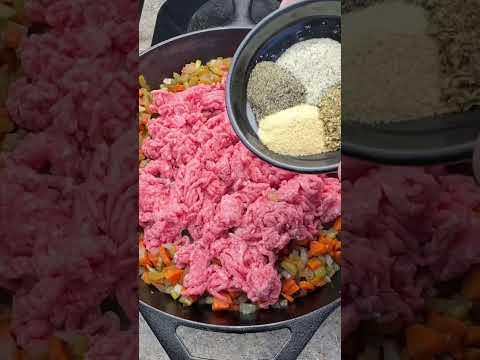
- Pork: Pepperbellypete swaps lamb for ground pork, adding oregano and a breadcrumb topping for texture.
- Vegetarian (not represented in the eight videos): The guide notes the gap and suggests that the same vegetable‑rich base could be used with lentils or mushrooms for a meat‑free version.
Marco Pierre White’s method is the most "chef‑centric": he builds a roux, deglazes with stock, and simmers the filling for over an hour to develop depth. American‑style creators such as Binging with Babish and Sip and Feast favour quicker sauces, often using stout or ketchup for flavor shortcuts.
The mashed‑potato topping varies dramatically. Babish recommends a potato ricer for fluffiness, Natashas Kitchen warms cream before folding it in, Sara mixes butter and cream, while Tasting History adds an egg‑cream glaze for a glossy crust. Pepperbellypete even suggests a breadcrumb‑butter crumble for crunch.
How 8 YouTube Cooks Make Shepherd's Pie
Below is a concise rundown of each creator’s approach, with links to the full YTRecipe pages.
- Marco Pierre White Recipe for Shepherds Pie (Channel: Marco Recipes) – Ground lamb, thyme, a long simmer, and a sealed mash topping.
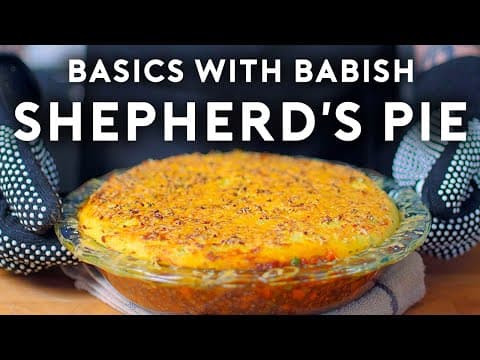
- Irish Shepherd's Pie (Channel: Binging with Babish) – Uses Yukon Gold potatoes, Irish cheddar in the mash, and a high‑quality stout for flavor.
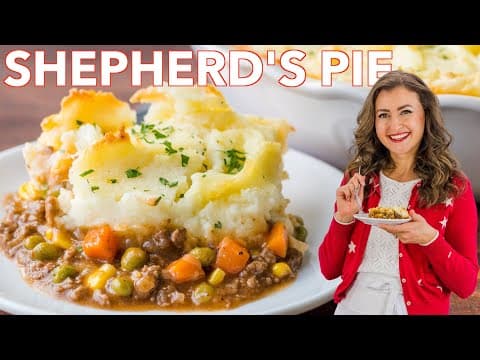
- Shepherd's Pie (Channel: Natashas Kitchen) – Ground beef, heavy cream warmed before mixing, and a trigger‑release ice‑cream scoop for uniform topping.
- How To Make The Best Shepherd's Pie Ever (Channel: Sip and Feast) – Ground lamb, Guinness stout reduction, and a stainless‑steel skillet for fond.
- Pork Shepherd's Pie (Channel: Pepperbellypete) – Ground pork, oregano, nutmeg in the mash, and a breadcrumb‑butter crust.
- Classic Shepherd's Pie (Channel: Sara - Nutrient Matters) – Ground beef, soy sauce, ketchup, and a butter‑cream mash.
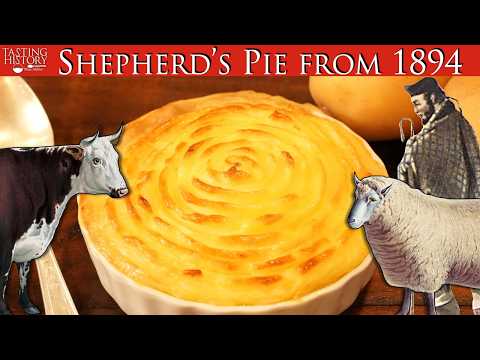
- Making Shepherd’s Pie from an 1894 Recipe - Beef or Lamb? (Channel: Tasting History with Max Miller) – Roast beef, heavy cream, an egg‑cream glaze, and a historical perspective.
- Shepherd's Pie (Channel: PhillyBoyJayCooKingShow) – Ground beef, mixed Russet/Yukon potatoes, smoked paprika option, and a simple flour slurry.
| Creator (Channel) | Primary Meat/Style | Total Time | Serves | Distinguishing Choice |
|---|---|---|---|---|
| Marco Recipes (Marco Pierre White) | Lamb, classic British | PT2H32M | 4 | One‑hour simmered sauce, thyme‑crushed leaves, sealed mash |
| Binging with Babish | Lamb (implied), Irish cheddar mash | PT1H59M | 6 | Potato ricer, stout‑infused flavor, chive‑butter topping |
| Natashas Kitchen | Beef | PT1H50M | 6 | Warm cream in mash, ice‑cream scoop for uniform portions |
| Sip and Feast | Lamb, Guinness‑reduced sauce | PT2H16M | 4 | Stainless‑steel skillet for fond, bouquet garni, cold‑water splash |
| Pepperbellypete | Pork | PT2H11M | 6 | Nutmeg in mash, Parmesan garnish, breadcrumb‑butter crust |
| Sara - Nutrient Matters | Beef | PT1H35M | 4 | Soy sauce & ketchup base, butter‑cream mash |
| Tasting History with Max Miller | Beef (roast), historic 1894 style | PT1H35M | 6 | Egg‑cream glaze, heavy cream mash, fine‑minced meat |
| PhillyBoyJayCooKingShow | Beef | PT1H54M | 6 | Mixed potato varieties, smoked paprika option, flour slurry |
Technique Deep Dive: Consensus and Disagreements
All eight chefs start by browning their protein, but the degree of caramelization differs. Marco Recipes and Sip and Feast explicitly render lamb fat before adding flour, while Babish lets the meat sit without overcrowding the pan. Pepperbellypete stresses “brown the ground pork completely” to avoid a soggy base.
Roux construction is another point of convergence. Five creators (Marco, Natashas Kitchen, Sara, Tasting History, PhillyBoyJayCooKingShow) cook the flour for at least one minute to eliminate raw taste. Sip and Feast lists “cooking the flour” as a critical step, but the exact minute count isn’t given.
Liquid choices vary widely: Marco uses a Knorr beef stock cube dissolved in 500 ml water; Babish adds Irish stout; Sip and Feast reduces 12 oz Guinness; Sara swaps soy sauce for Worcestershire; PhillyBoyJayCooKingShow adds beef bouillon and optional beef broth in the slurry. The amount of stock ranges from 500 ml (Marco) to 2 cup low‑sodium beef stock (Sip and Feast).
Mashed‑potato techniques show the biggest split. Babish recommends a potato ricer for “fluffiest mash,” Natashas Kitchen warms ¾ cup heavy cream before folding, Sara mixes butter and cream, while Tasting History adds an egg‑cream glaze and brushes it for a golden finish. Pepperbellypete adds a pinch of nutmeg and a breadcrumb‑butter topping for crunch. The mash‑to‑liquid ratios span 1 kg potatoes with 1 kg butter/cream (Marco) to 2 lb potatoes with ¾ cup heavy cream (Tasting History).
Cooking times for the filling range from 45 minutes (Babish’s “brown the lamb” step) to a full 1‑hour simmer (Marco). Overall total times cluster around 2 hours, with the fastest at 1 h 35 m (Sara) and the longest at 2 h 32 m (Marco).
Frequently Asked Questions
What meat is traditionally used in shepherd's pie?
Traditionally, shepherd's pie is made with ground lamb, reflecting the “shepherd” occupation. When beef is used, the dish is technically called cottage pie, though many modern recipes blur the distinction.
Can I use pork instead of lamb or beef?
Yes. Pepperbellypete demonstrates a pork‑based shepherd's pie, seasoning the pork with oregano, garlic powder, and a breadcrumb‑butter crust for texture. Pork offers a slightly sweeter flavor profile.
Is a vegetarian shepherd's pie possible?
While none of the eight YouTube recipes are vegetarian, the same vegetable base (onion, carrots, peas, celery) can be paired with lentils, mushrooms, or a plant‑based mince. Substitute the meat with a seasoned lentil mixture and follow the same mash topping techniques.
How long should I simmer the meat sauce?
Marco Pierre White recommends at least one hour of simmering to develop deep flavor, while Sip and Feast reduces Guinness fully before adding the stock, which also takes roughly 30‑40 minutes. Shorter simmer times (45 minutes) are acceptable for beef‑based versions like Sara’s.
What is the best way to achieve a fluffy mashed‑potato topping?
Babish advises using a potato ricer for maximum fluffiness. Natashas Kitchen warms heavy cream before incorporation, preventing a gummy texture. Adding butter and cream together, as Sara does, also yields a rich, airy crust.
Should I add an egg wash to the topping?
Tasting History applies an egg‑cream glaze brushed evenly for a glossy, golden crust. This step is optional but adds visual appeal and a slight crispness.
Do I need to add Worcestershire sauce?
Worcestershire appears in several recipes (Marco, Sip and Feast, Sara) as a depth‑enhancer. If unavailable, a splash of soy sauce (as Sara suggests) or extra thyme can provide similar umami.
What temperature should I bake the shepherd's pie?
All creators bake at a moderate oven temperature, typically 190 °C (375 °F) for 20‑30 minutes until the topping is set and lightly browned. The exact temperature isn’t listed in the data but is standard for casseroles.
Can I use a different cheese in the mash?
Babish mixes aged Irish cheddar into the potato topping for a sharp, buttery flavor. Feel free to substitute sharp cheddar, Gruyère, or even a vegan cheese for a similar melt and flavor.
How do I prevent the mash from drying out?
Marco emphasizes spreading the mashed potatoes evenly to create a seal that prevents drying. Adding enough butter, cream, or milk (as seen across recipes) keeps the crust moist, and an egg wash or breadcrumb topping can lock in moisture.
Is it necessary to use a bouillon cube?
Several chefs (Marco, PhillyBoyJayCooKingShow) use a stock or bouillon cube to enrich the sauce quickly. If you prefer a low‑sodium version, substitute with homemade stock or water plus herbs.