Sourdough discard cinnamon rolls are a clever way to turn the inevitable by‑product of feeding a starter into a sweet, buttery treat that carries just enough tang to set them apart from ordinary rolls. By using discard instead of a fully active starter you keep the dough more forgiving, while still capturing the subtle acidity that makes sourdough special.
This guide brings together eight real recipes extracted from YouTube cooking videos – from Thehomeylife to Grant Bakes – to illustrate how different creators handle discard, fermentation time, and flavor balance. Although none of the eight videos are cinnamon rolls per se, each creator’s method reveals a piece of the puzzle you can apply when shaping, proofing, and glazing your own rolls.
Below you’ll find a deep dive into the variations, a side‑by‑side table of the eight approaches, a technique roundup that extracts consensus and disagreements, and a FAQ that answers the most common questions about sourdough discard cinnamon rolls.
Variations and Styles – Discard vs. Active Starter, Overnight vs. Same‑Day, Tang Balance
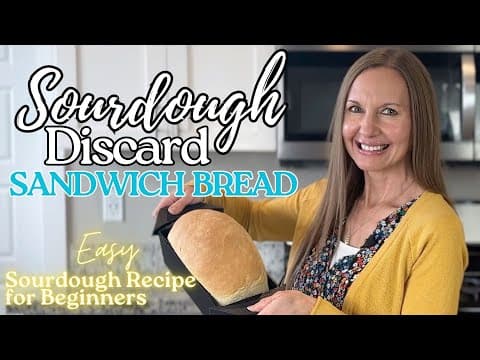
When you substitute discard for an active starter, the dough loses some of the leavening power that comes from a vigorous colony. Creators compensate in three main ways: increasing commercial yeast (as seen in Amy Bakes Bread’s focaccia), adding extra fat (Thehomeylife’s pop‑tart butter), or extending bulk fermentation (Robyn On The Farm’s sandwich bread). The result is a dough that still rises, but with a softer crumb and a milder sour note.
Rise time is another lever. An overnight, cold‑ferment gives the gluten more time to relax and the acids a chance to develop, yielding a deeper tang. A same‑day, warm rise keeps the flavor bright and the texture light. The eight videos span both approaches – the focaccia and sandwich bread both call for a bulk rise until doubled, while the crackers and pancakes rely on a quick, room‑temperature set.
Finally, the balance of tang versus sweetness is controlled by the ratio of discard to sugar, butter, or dairy. Thehomeylife adds jam and powdered sugar for a sweet finish, whereas Grant Bakes mixes the discard with milk and vanilla to mellow the sourness. Understanding these three variables lets you dial in the exact flavor profile you want for cinnamon rolls.
How 8 YouTube cooks make Sourdough Discard Cinnamon Rolls
Each creator’s recipe is linked below; the table summarizes the core metrics that matter when you translate their method to cinnamon rolls.
| Creator (Channel) | Dish Style | Total Time | Serves | Distinguishing Choice |
|---|---|---|---|---|
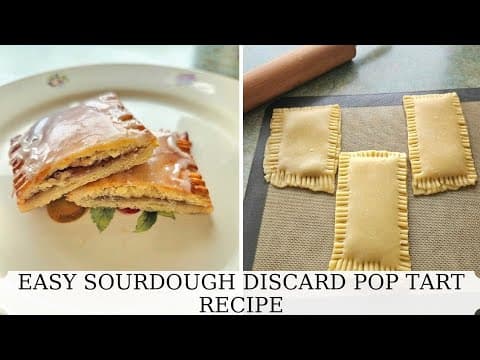
| Thehomeylife | Pop‑tart style pastry | PT3H49M | 8 | Heavy butter layer, jam filling, chilled dough for flakiness |
| Robyn On The Farm | Sandwich bread | PT3H13M | 12 | Instant yeast boost, honey for sweetness, bread flour for chew |
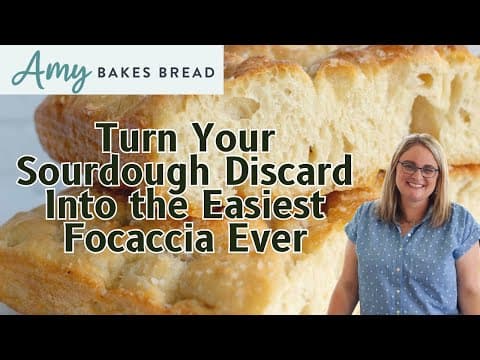
| Amy Bakes Bread | Focaccia | PT3H28M | 8 | Olive oil & Parmesan, wet dough, stretch‑and‑fold technique |
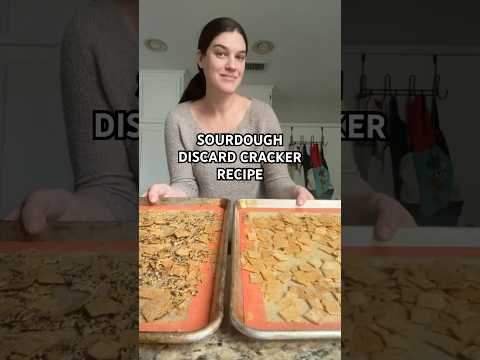
| Conley Kipp | Two‑ingredient crackers | PT1H24M | 4 | High discard‑to‑butter ratio, ultra‑thin rolling, double bake |
| Little Spoon Farm | Herbed crackers | PT1H48M | 4 | Herbs de Provence, precise scaling of discard, score before second bake |
| Sourdough Made Easy | Cheesy crackers | PT1H | 8 | Cheddar & Parmesan blend, butter‑cheese dough, cut warm |
| Butter For All | Rosemary olive‑oil crackers | PT1H33M | 4 | Olive oil base, dried rosemary, flaky finishing salt |
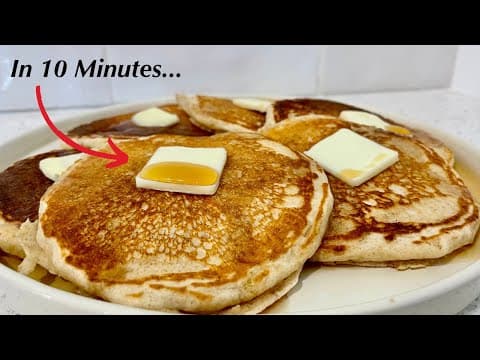
| Grant Bakes | Pancakes | PT35M | 4 | Blend of discard with milk, vanilla, optional whipped‑cream fluff |
To adapt any of these approaches to cinnamon rolls, start with the core dough framework of a sweet enriched bread – flour, butter, sugar, eggs, and milk – and replace a portion of the liquid with sourdough discard. Then decide whether you want a quick rise (like Grant Bakes) or a slower, refrigerated proof (like the focaccia’s bulk rise). The flavor‑balancing tips from each creator become your toolbox: add jam or brown sugar for sweetness (Thehomeylife), drizzle olive oil for richness (Amy Bakes), or fold in cheese for a savory contrast (Sourdough Made Easy) before rolling the dough with cinnamon‑sugar filling.
Technique Section – Consensus and Disagreements
Consensus: All eight creators stress the importance of accurate weighing. Whether it’s the 340 g discard in Butter For All’s crackers or the 0.5 cup discard in Thehomeylife’s pop‑tarts, a kitchen scale eliminates guesswork and ensures consistent hydration. They also agree on the value of a brief rest period after mixing – Grant Bakes lets pancake batter sit 5‑10 minutes, and Thehomeylife recommends bringing the dough to room temperature before shaping.
Fermentation: The majority (Robyn On The Farm, Amy Bakes, Little Spoon Farm) rely on a bulk rise until the dough doubles, typically 1‑2 hours at room temperature or a longer cold proof. The pancake and cracker recipes skip bulk fermentation entirely, using either chemical leaveners (baking powder) or the leavening power of added instant yeast (Amy Bakes). For cinnamon rolls you can choose either path: a 2‑hour room‑temp proof for a softer roll, or an overnight fridge proof for a more pronounced sour note.
Fat and Flavor Add‑Ins: Butter is the dominant fat in five of the eight recipes, delivering a tender crumb (Thehomeylife, Conley Kipp, Little Spoon Farm, Grant Bakes, Sourdough Made Easy). Olive oil appears in two (Amy Bakes, Butter For All) and gives a slightly denser, more rustic texture. When adapting to cinnamon rolls, butter will give the classic melt‑in‑your‑mouth feel, while a splash of olive oil can be used in the dough or brushed on the roll tops for a glossy finish.
Temperature Control: Only two creators mention a specific baking temperature: the crackers are baked at 325 °F, and the pancakes are cooked on a griddle set to about 300 °F (149 °C). For cinnamon rolls, a typical bake at 350 °F (177 °C) works well, but you can lower to 325 °F if you want a slower caramelization that lets the sour tang shine.
Disagreements: The biggest split is the use of commercial yeast. Amy Bakes adds 8 g instant yeast to a wet focaccia dough, while Thehomeylife and Grant Bakes rely solely on discard and chemical leaveners. If you prefer a pure sourdough experience, omit the yeast and extend the proof; if you need a reliable rise in a tight schedule, follow the yeast‑boosted method.
Putting these data points together, a reliable sourdough discard cinnamon roll recipe would look like this: combine 250 g all‑purpose flour, 100 g sourdough discard, 30 g melted butter, 30 g sugar, 1 large egg, 60 ml milk, 2 g instant yeast (optional), 2 g salt, and a pinch of cinnamon. Knead until smooth, let rise 1 hour (or refrigerate overnight), roll out, spread a butter‑cinnamon‑sugar mixture, roll up, slice, proof 30 minutes, then bake 20‑25 minutes at 350 °F. Adjust the discard‑to‑flour ratio up to 150 g for a stronger tang, or down to 80 g for a milder roll, as demonstrated in the pancake and pop‑tart recipes.
Frequently Asked Questions
What is the difference between using sourdough discard and an active starter in cinnamon rolls?
Sourdough discard contains fewer active microbes, so it contributes flavor without as much leavening power. Using discard makes the dough easier to handle and reduces the rise time, while an active starter gives a stronger tang and higher rise.
Can I make sourdough discard cinnamon rolls in a single day?
Yes. Follow the quick‑rise method used by Grant Bakes for pancakes: add a small amount of instant yeast (2‑4 g) and let the dough proof at room temperature for 1‑2 hours before shaping and baking.
How long should I proof the rolls for a deep sour flavor?
For a deeper sour note, refrigerate the shaped rolls overnight (8‑12 hours) as suggested by the focaccia’s cold bulk rise. This slow fermentation lets lactic acids develop fully.
What amount of discard should I use for balanced tang?
Based on the data, a discard‑to‑flour ratio of roughly 40‑50 % (e.g., 200 g discard to 400 g flour) yields a noticeable tang without overwhelming the sweet cinnamon filling.
Do I need to add extra sugar when using discard?
Most sweet doughs, like Thehomeylife’s pop‑tarts, increase sugar to offset the mild acidity of discard. Adding 30‑50 g of granulated sugar to the dough helps balance flavor.
Can I substitute butter with olive oil in the dough?
Olive oil works, as shown in Amy Bakes’ focaccia and Butter For All’s crackers, but it produces a denser crumb. For classic soft rolls, keep butter; you can brush olive oil on the tops for a glossy finish.
Is a second rise necessary after shaping the rolls?
Yes. A short second proof (30‑45 minutes at room temperature) allows the rolls to puff evenly, mirroring the second rise step in the sandwich bread recipe.
What temperature should I bake the cinnamon rolls at?
A bake at 350 °F (177 °C) for 20‑25 minutes gives a golden exterior while preserving a soft interior, similar to the 325 °F used for the crackers but adjusted for a thicker product.
How can I make the rolls less sour?
Reduce discard to 80‑100 g, increase milk or butter, and add a teaspoon of vanilla extract, following the flavor‑softening tips from Grant Bakes and Thehomeylife.
Can I add a glaze to the finished rolls?
Absolutely. A simple glaze of powdered sugar, a tablespoon of water, and a dash of vanilla (as used for Thehomeylife’s pop‑tarts) adds sweetness and a glossy finish without masking the sourdough character.