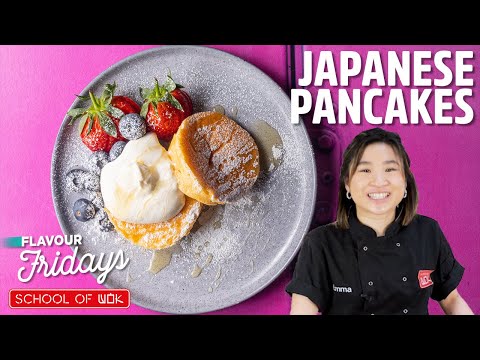
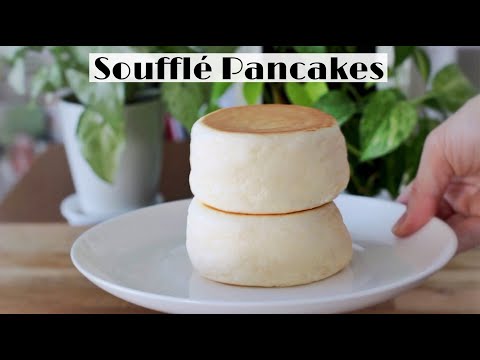
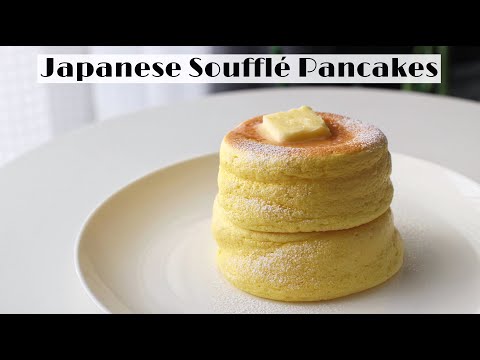
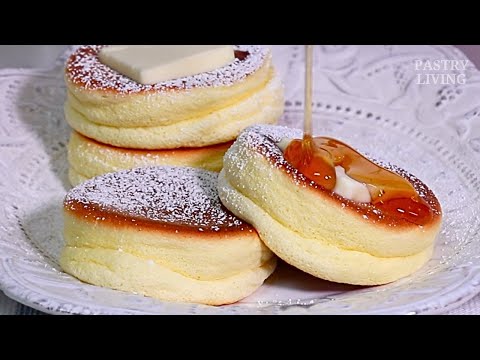
Fluffy Japanese Pancakes
Fluffy Japanese Pancakes is a intermediate Japanese recipe that serves 2. 250 calories per serving.
Prep: 35 min | Cook: 30 min | Total: 1 hr 10 min
Cost: $1.35 total, $0.68 per serving
Ingredients
- 3 large Eggs (Separate yolks and whites carefully for best results.)
- 3 tablespoons Milk (Adds moisture and lightness to batter.)
- 1 teaspoon Vanilla extract (Optional, adds subtle sweetness and aroma.)
- 1/2 cup Cake flour (Sifted for lighter texture; all-purpose flour can be used as substitute.)
- 2 tablespoons Granulated sugar (Added gradually to egg whites for stable meringue.)
- as needed Vegetable oil or neutral oil (For lightly oiling the pan before cooking.)
Instructions
Separate eggs
Crack the eggs and carefully separate the yolks from the whites into two different mixing bowls. Ensure no yolk gets into the whites for best whipping results.
Time: PT5M
Prepare egg yolk mixture
Add 3 tablespoons of milk and 1 teaspoon of vanilla extract to the egg yolks. Gradually sift in 1/2 cup of cake flour little by little, stirring gently to avoid lumps. Aim for a creamy, smooth batter consistency. Set aside.
Time: PT10M
Chill egg whites
Place the bowl with egg whites in the freezer for 10 to 15 minutes to chill. Cold egg whites whip better and create more stable meringue.
Time: PT15M
Temperature: 4°C
Whip egg whites
Using an electric mixer, start whipping the chilled egg whites on low speed until foamy. Gradually add 2 tablespoons of granulated sugar bit by bit while increasing speed to high. Whip until stiff, glossy peaks form but do not overwhip to avoid breaking the meringue.
Time: PT10M
Combine mixtures
Add about one-third of the whipped egg whites into the egg yolk batter. Stir gently with a spatula until smooth. Then pour this mixture into the remaining egg whites. Fold everything together gently using a spatula, preserving as much air as possible. Do not use a whisk or mixer at this stage.
Time: PT5M
Prepare to cook
Transfer the batter into a pastry bag or a plastic bag with a corner cut off. If unavailable, use a spoon to drop batter onto the pan.
Time: PT2M
Cook pancakes
Heat a non-stick skillet over very low heat. Lightly oil the pan with vegetable oil. Pipe or spoon the batter onto the skillet, forming thick rounds that hold their shape. Add a few drops of water to the pan and immediately cover with a lid to create steam. Cook for 7 to 10 minutes without lifting the lid.
Time: PT10M
Temperature: Low heat
Flip and finish cooking
Carefully flip the pancakes using a spatula. Add a few more drops of water to the pan, cover with the lid again, and cook for another 5 minutes on low heat until cooked through and fluffy.
Time: PT5M
Temperature: Low heat
Nutrition Facts
- Calories
- 250
- Protein
- 8g
- Carbohydrates
- 30g
- Fat
- 9g
- Fiber
- 1g
Dietary info: Vegetarian, low-calorie, low-fat
Allergens: Eggs, Milk, Gluten
Ingredient Substitutions
- Instead of Eggs: Egg replacer for vegan option
- Instead of Milk: Almond milk, Soy milk
- Instead of Vanilla extract: Maple syrup, Honey
- Instead of Cake flour: All-purpose flour
- Instead of Granulated sugar: Caster sugar, Powdered sugar
- Instead of Vegetable oil or neutral oil: Butter, Canola oil
Equipment Needed
- Mixing bowls
- Electric mixer or whisk
- Sifter or fine mesh sieve (optional)
- Spatula
- Pastry bag or plastic bag with corner cut (optional)
- Non-stick skillet or frying pan with lid
- Measuring cups and spoons
Critical Steps — Do Not Skip
- Separating egg whites without yolk contamination
- Chilling egg whites before whipping
- Whipping egg whites to stiff peaks without overwhipping
- Gently folding batter to preserve air
- Cooking pancakes on very low heat with steam and not lifting lid
Chef Tips from the Video
- Use room temperature eggs for better volume in egg whites.
- Chilling egg whites before whipping improves meringue stability.
- Fold batter gently to keep air pockets intact for fluffiness.
- Cook pancakes on very low heat with steam to maintain moisture and height.
- Use a pastry bag for uniform pancake shapes and heights.
Troubleshooting
Pancakes deflate after cooking
Ensure egg whites are whipped to stiff peaks but not overwhipped; cook on very low heat and avoid lifting the lid during steaming.
Batter too thick or lumpy
Sift flour before adding and add it gradually; stir gently to avoid lumps.
Egg whites not whipping properly
Make sure no yolk is in whites and that whites are chilled before whipping.
Storage
Refrigerator: Store cooked pancakes in an airtight container for up to 2 days.
Freezer: Wrap pancakes individually and freeze for up to 1 month. Reheat gently in a pan or microwave.
Room temperature: Best served immediately; batter should be cooked right after mixing.
Make-Ahead Tips
- Chill egg whites in advance to save time during preparation.
- Batter should be cooked immediately after folding for best rise.
Frequently Asked Questions
What is the cultural significance and history of Fluffy Japanese Pancakes in Japanese cuisine?
Fluffy Japanese Pancakes, known as "soufflé pancakes," originated in Osaka cafés in the early 2000s and quickly became a popular Instagram‑friendly dessert across Japan. They represent a modern twist on traditional Japanese pancakes (okonomiyaki) by emphasizing lightness and visual appeal, reflecting Japan’s love for delicate textures and aesthetic presentation.
What are the traditional regional variations of Fluffy Japanese Pancakes in Japan?
While the classic Osaka‑style Fluffy Japanese Pancakes use cake flour and whipped egg whites, some regions add matcha powder in Kyoto or sweet red bean paste in Kansai to incorporate local flavors. In Hokkaido, a touch of dairy‑rich Hokkaido milk is sometimes used for extra creaminess.
What is the authentic traditional way Fluffy Japanese Pancakes are served in Japanese culture?
Authentic Fluffy Japanese Pancakes are typically served on a low, flat plate with a dusting of powdered sugar, a drizzle of maple syrup or honey, and a side of fresh seasonal fruit. They are often enjoyed as a leisurely brunch or tea‑time treat in Japanese cafés.
During which occasions or celebrations are Fluffy Japanese Pancakes traditionally associated in Japanese culture?
Fluffy Japanese Pancakes have become a popular choice for birthday celebrations, school events, and seasonal festivals, especially during spring cherry‑blossom viewing (hanami) when their airy texture matches the light, festive atmosphere. They are also served at café brunches on weekends.
How do Fluffy Japanese Pancakes fit into the broader Japanese cuisine tradition?
Fluffy Japanese Pancakes embody the Japanese culinary emphasis on texture (mouthfeel) and subtle sweetness, aligning with other light desserts like dorayaki and castella. They showcase the fusion of Western baking techniques with Japanese ingredient sensibilities, illustrating Japan’s adaptive food culture.
What are the authentic traditional ingredients for Fluffy Japanese Pancakes versus acceptable substitutes?
The authentic recipe uses cake flour, granulated sugar, whole eggs, milk, and vanilla extract, with the key technique of separating and whipping the egg whites. Acceptable substitutes include using a gluten‑free cake flour blend, plant‑based milk (almond or soy) for dairy‑free versions, and a sugar‑free sweetener if needed, though the texture may vary slightly.
What other Japanese dishes pair well with Fluffy Japanese Pancakes?
Fluffy Japanese Pancakes pair nicely with traditional Japanese breakfast items such as miso soup and grilled salmon for a sweet‑savory contrast. They also complement lighter sides like fresh fruit salad with yuzu dressing or a cup of Japanese green tea (matcha) to balance the richness.
What are the most common mistakes to avoid when making Fluffy Japanese Pancakes at home?
Common mistakes include over‑mixing the batter, which deflates the whipped egg whites, and cooking the pancakes on too high heat, which creates a brown exterior before the interior sets. Also, failing to let the batter rest can result in a dense texture.
Why does this Fluffy Japanese Pancakes recipe use whipped egg whites instead of chemical leaveners like baking powder?
Whipped egg whites incorporate air that expands gently during the low, slow cooking process, creating the signature cloud‑like height and melt‑in‑your‑mouth texture. Chemical leaveners produce a quicker rise but can make the pancake grainy and less airy, which is not desired for this Japanese style.
How do I know when Fluffy Japanese Pancakes are done cooking?
The pancakes are done when the edges are set, the tops are still slightly jiggly, and a gentle steam rises from the surface. A thin golden crust should form on the bottom after about 4‑5 minutes on low heat; a quick poke should spring back softly.
What does the YouTube channel Unknown specialize in?
The YouTube channel Unknown focuses on home‑cooking tutorials, often highlighting Japanese comfort foods and modern dessert trends. Its videos emphasize step‑by‑step visual guidance, making techniques like whipping egg whites accessible to intermediate cooks.
Last updated: August 20, 2026