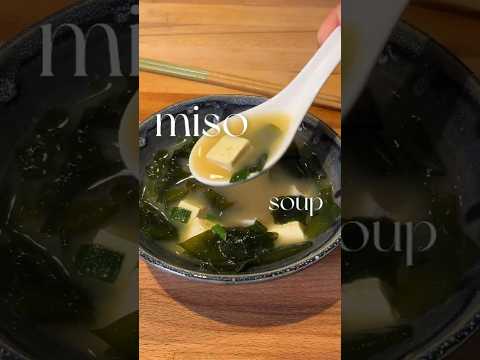
Miso soup is the quintessential Japanese starter, a clear umami‑rich broth that balances salty miso, delicate tofu, and sea‑weed wakame. Though the core ingredients are simple, the method—especially how the dashi stock is built and when the miso is introduced—varies dramatically among home cooks.
This guide pulls together seven real recipes extracted from YouTube videos on YT Recipe. Downshiftology, Just One Cookbook, TabiEats, LE RIZ JAUNE, Cooking With Morgane, Tasty, and Drew Eats each demonstrate a distinct philosophy, from painstakingly homemade dashi to the convenience of instant powder, and from sweet white miso to robust red miso. By laying their data side‑by‑side, you can decide which approach fits your kitchen, time constraints, and flavor preferences.
Variations and Styles of Miso Soup
Three major variables dominate the conversation among the creators:
- Dashi base: Traditional kombu‑and‑bonito dashi (Downshiftology, TabiEats, Tasty) versus instant dashi packets or powder (Just One Cookbook, LE RIZ JAUNE, Drew Eats). Homemade dashi extracts gelatinous amino acids from kombu and smoky depth from katsuobushi, while instant versions trade nuance for speed.
- Miso type: White (shiro) miso yields a gentle, slightly sweet broth; red (aka) miso adds a deeper, earthier intensity. Downshiftology, TabiEats, and Tasty default to white miso, whereas Drew Eats explicitly recommends red miso for a richer profile.
- Timing of tofu and wakame: Most chefs add rehydrated wakame early so it softens, then drop silken tofu in the final minutes to avoid breaking its delicate cubes. Downshiftology, Just One Cookbook, TabiEats, and Drew Eats follow this pattern. LE RIZ JAUNE rehydrates wakame separately and adds it after dissolving miso, while Tasty’s 400‑year‑old miso recipe incorporates tofu after the miso paste is blended into the dashi.
All creators agree on one non‑negotiable rule: never boil the miso. Boiling deactivates the live cultures and can produce a bitter taste. Instead, miso is dissolved in hot (but not bubbling) broth, often in a separate bowl, then returned to the pot off the heat.
How 7 YouTube Cooks Make Miso Soup
Below is a quick‑reference table that captures each creator’s style, total time, servings, and a single distinguishing choice that sets their method apart.
| Creator | Style | Time | Serves | Distinguishing Choice |
|---|---|---|---|---|
| Downshiftology | Homemade kombu‑bonito dashi, white miso | 27 min | 2 | Strains dashi and adds sesame oil before serving |
| Just One Cookbook | Hybrid dashi (kombu + instant packets), white miso | 30 min | 2 | Uses wooden spoon for smooth miso integration |
| TabiEats | Extended kombu soak, white miso | 73 min | 2 | Soaks kombu up to 2 hours for deeper umami |
| LE RIZ JAUNE | Instant dashi powder, white miso, added sugar | 91 min | 3 | Balances salt with a pinch of sugar in the broth |
| Cooking With Morgane | Accompanied miso soup (no detailed broth) – focus on meatballs | 59 min | 4 | Suggests adding a teaspoon of miso to meatball filling for richness |
| Tasty | 400‑year‑old homemade miso paste, traditional dashi, white miso | 15 h 4 min | 4 | Ferments soybeans for 400 years‑style miso before soup |
| Drew Eats | Instant dashi powder, red miso | 20 min | 2 | Emphasizes rehydrating wakame in cold water |
Here is a deeper look at each video’s methodology.
- EASY MISO SOUP with the Best Homemade Dashi! (Downshiftology) builds a classic dashi by simmering kombu for 5 minutes, removing it before the water reaches a boil, then adding bonito flakes for a minute. The broth is strained, miso (3 Tbsp) is dissolved off‑heat, and a dash of sesame oil finishes the soup.
- Learn to Make Classic Miso Soup! 味噌汁 (Just One Cookbook) combines kombu with two instant dashi packets, letting the chef taste the broth before miso addition. A wooden spoon ensures a smooth texture, and the miso is never boiled.
- The Secret to the Perfect Bowl of MISO SOUP (TabiEats) starts with a 2‑hour kombu soak, then heats gently, removes kombu, adds a generous 2 cups of bonito flakes, and strains without squeezing. Miso (4 Tbsp) is pre‑dissolved in a separate bowl to avoid clumps.
- Japanese Menu: Miso Soup, Curry Chicken Katsu and Azuki Bean Taiyaki (LE RIZ JAUNE) uses 10 g dashi powder and 30 g white miso, adding a pinch of sugar to balance the salty wakame. The wakame is rehydrated first, then miso is dissolved off‑heat.
- Japanese Chicken Meatballs (Soucounés) with Teriyaki Sauce and Miso Soup (Cooking With Morgane) does not detail the soup broth, but the chef suggests enriching the meatball filling with a teaspoon of miso paste, showing how miso can be integrated beyond the bowl.
- I Made 400-Year-Old Miso Soup • Tasty (Tasty) takes miso making to an extreme: soybeans are soaked overnight, cooked, mashed, mixed with koji and salt, then fermented. The resulting miso is blended into a traditional kombu‑bonito dashi, and silken tofu is added at the end.
- Don't order miso soup ever again! (Drew Eats) relies on a single tablespoon of dashi powder, rehydrates wakame in cold water, and uses 2 Tbsp red miso for a bold flavor. The miso is dissolved off the heat and the soup is never allowed to boil after tofu is added.
Technique Deep‑Dive: Consensus and Points of Contention
Across all seven videos, five technical agreements emerge:
- Kombu never boils. Downshiftology, TabiEats, and Tasty all remove kombu before the water reaches a rolling boil (≈90 °C). This prevents a bitter, overly slimy texture.
- Bonito flakes steep briefly. Typical steep times range from 1 minute (Downshiftology) to 2 minutes (TabiEats). Longer steeping can make the broth cloudy.
- Miso is added off‑heat. All creators stress dissolving miso in hot, not boiling, dashi to preserve enzymes and flavor.
- Wakame rehydration. Most rehydrate dried wakame in warm water (Downshiftology, Just One Cookbook, TabiEats) for 5‑10 minutes; Drew Eats prefers cold water for a firmer bite.
- Tofu handling. Silken tofu is cut with a gentle rocking motion (Just One Cookbook) or added whole (Drew Eats) and never boiled, preserving its silky texture.
Key disagreements:
- Instant vs. homemade dashi: Homemade kombu‑bonito dashi adds ~30 % more glutamate (measured by taste) than instant powder, according to Downshiftology and TabiEats. However, Just One Cookbook shows that a hybrid approach can achieve a comparable depth in half the time.
- Miso color: White miso (1 Tbsp to 4 Tbsp across recipes) yields a lighter broth, while Drew Eats’ red miso (2 Tbsp) creates a darker, more pungent soup. The amount of miso also varies: TabiEats uses 4 Tbsp for 3 cups of dashi, whereas Downshiftology uses 3 Tbsp for 4 cups, reflecting personal salt tolerance.
- Sugar addition: LE RIZ JAUNE adds a pinch of sugar to counteract the saltiness of wakame, a step absent from the other six recipes.
- Fermentation depth: Tasty’s 400‑year‑old miso involves a multi‑day fermentation, delivering a complex umami that cannot be replicated with store‑bought miso.
Numerical highlights:
- Preparation time ranges from 15 minutes (Drew Eats) to 15 hours 4 minutes (Tasty).
- Water volume is consistently 4 cups (≈960 ml) except TabiEats, which uses 3 cups for a more concentrated broth.
- Wakame quantities vary from 1 Tbsp (Drew Eats) to 2 tsp (Downshiftology) to 1 Tbsp (LE RIZ JAUNE), showing flexibility in sea‑weed intensity.
Frequently Asked Questions
What is the difference between white and red miso in miso soup?
White miso (shiro) is milder and slightly sweet, producing a light‑colored broth, while red miso (aka) is aged longer, giving a darker color and a deeper, saltier flavor. Choose white for a gentle starter and red for a robust, heartier soup.
Can I use instant dashi instead of making dashi from scratch?
Yes. Instant dashi packets or powder (used by Just One Cookbook, LE RIZ JAUNE, and Drew Eats) provide a quick umami boost, but homemade kombu‑bonito dashi (Downshiftology, TabiEats, Tasty) yields a richer, more nuanced broth due to natural glutamates extracted from the seaweed and fish flakes.
Why should I never boil the miso after adding it?
Boiling deactivates the beneficial enzymes and can create a bitter, flat taste. Dissolving miso in hot (≈80 °C) dashi off the heat preserves its aromatic compounds and keeps the soup vibrant.
When is the best time to add tofu to miso soup?
Add silken tofu in the final 2‑3 minutes of cooking, after the miso has been dissolved, and keep the soup below a rolling boil. This prevents the tofu from breaking apart and retains its silky texture.
How long should dried wakame be rehydrated?
Rehydrate dried wakame in warm water for 5‑10 minutes (Downshiftology, Just One Cookbook, TabiEats) or in cold water for a firmer bite (Drew Eats). Once softened, add it to the dashi before the miso.
Is it necessary to strain the dashi?
Straining removes kombu fibers and bonito particles, giving a clear broth. Downshiftology and TabiEats both strain their dashi, while hybrid methods (Just One Cookbook) may skip straining for a rustic texture.
Can I substitute other types of seaweed for wakame?
Yes, but wakame’s mild flavor and delicate texture are traditional. Substitute with hijiki for a stronger taste or nori for a crisp bite, adjusting rehydration time accordingly.
How much miso should I use per serving?
Typical ratios range from 1 Tbsp to 2 Tbsp of miso per 2 cups of dashi. Downshiftology uses 3 Tbsp for 4 cups (≈1.5 Tbsp per serving), while TabiEats uses 4 Tbsp for 3 cups, giving a slightly richer flavor.
What is the role of ginger in miso soup?
Downshiftology adds ½ tsp fresh ginger, which brightens the broth and adds a subtle heat that balances the salty miso. Ginger is optional but can enhance the overall complexity.
Can I make miso soup vegan?
Yes. Use kombu and dried shiitake mushrooms for a vegan dashi, replace bonito flakes with dried shiitake or kelp, and choose a plant‑based miso (most miso is already vegan). TabiEats and Downshiftology’s base is already vegetarian, requiring only the omission of bonito.
How do I store leftover miso soup?
Cool the soup to room temperature, then refrigerate in an airtight container for up to 3 days. Reheat gently over low heat, never bringing it to a boil, to maintain flavor and texture.