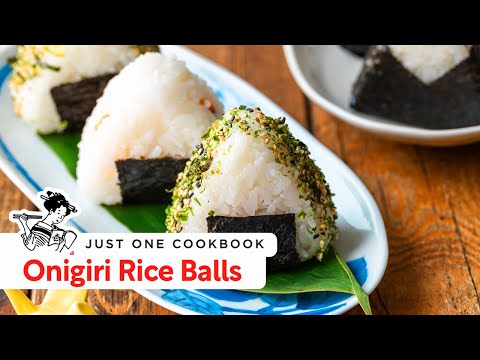
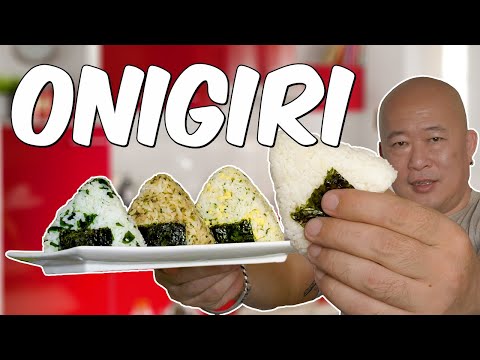
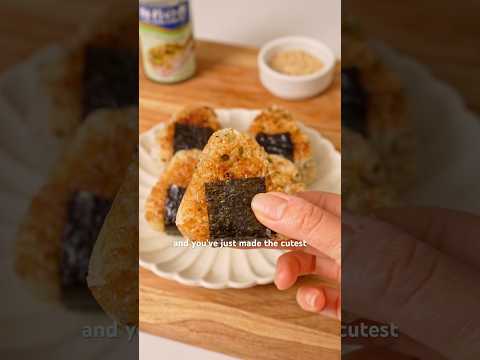
Japanese Onigiri (Rice Balls) with Various Fillings
Japanese Onigiri (Rice Balls) with Various Fillings is a easy Japanese recipe that serves 6. 210 calories per serving.
Prep: 35 min | Cook: 25 min | Total: 1 hr 10 min
Cost: $123.98 total, $20.66 per serving
Ingredients
- 3 rice cooker cups (about 540g uncooked, 4.5 US cups cooked) Japanese short-grain rice (Essential for proper onigiri texture)
- as needed Water (For cooking rice and wetting hands/mold)
- 1-2 teaspoons Salt (For seasoning rice and hands)
- 2-3 sheets Nori (seaweed) sheets (Cut into thirds for wrapping)
- 1/2 fillet (about 80g) Cooked salmon (Salted or leftover salmon, flaked)
- 1 can (about 5 oz/140g) Tuna (canned, drained) (For tuna mayo filling)
- 2 tablespoons Japanese mayonnaise (For tuna mayo filling)
- 1 teaspoon Soy sauce (For tuna mayo and okaka fillings)
- 1/4 cup Bonito flakes (katsuobushi) (For okaka filling)
- 2-3 whole Umeboshi (Japanese pickled plum) (Seed removed, flesh only)
- 1-2 tablespoons Mentaiko (spicy salted cod roe, optional) (Membrane removed)
- as needed Furikake rice seasoning (optional) (For coating rice balls)
Instructions
Cook the Rice
Rinse 3 rice cooker cups of Japanese short-grain rice until the water runs clear. Cook in a rice cooker with the appropriate amount of water, or use a pot with a lid on the stovetop. Once cooked, fluff the rice and keep it covered to maintain warmth.
Time: PT25M
Prepare Fillings
While rice cooks, prepare your fillings: Flake cooked salmon. For tuna mayo, mix drained canned tuna with Japanese mayonnaise and a drizzle of soy sauce. For okaka, mix bonito flakes with a splash of soy sauce. For umeboshi, remove the seed and use the flesh. For mentaiko, gently remove eggs from the membrane. Place each filling in a separate small bowl.
Time: PT10M
Prepare Nori Sheets
Toast nori sheets over an open flame for a few seconds on each side until crisp (optional). Cut each sheet into thirds parallel to the lines on the nori. Set aside.
Time: PT3M
Prepare Hands, Plastic Wrap, or Mold
Set up a small bowl of water and another with salt. Wet your palms to prevent sticking, then rub a pinch of salt on your hands. Alternatively, line a rice bowl or onigiri mold with plastic wrap and sprinkle with salt. If using a mold, soak it in water first.
Time: PT2M
Shape Onigiri (Hand Method)
Scoop a handful of warm rice (about 1/2 cup) onto your palm. Make a small indentation in the center and add about 1 teaspoon of filling. Cover with more rice. Gently press and shape the rice into a triangle, ensuring the filling is sealed inside. Repeat for remaining rice and fillings.
Time: PT10M
Shape Onigiri (Plastic Wrap Method)
Place plastic wrap in a bowl, sprinkle with salt, add rice and filling as above, cover with more rice, gather the wrap, and shape into a triangle. Unwrap and set aside.
Time: PT5M
Shape Onigiri (Mold Method)
Soak the onigiri mold in water. Sprinkle with salt, fill halfway with rice, add filling, cover with more rice, press with the lid, then unmold onto parchment-lined baking sheet or plate.
Time: PT5M
Coat or Wrap Onigiri
Optionally, roll the sides of the onigiri in furikake. Wrap each onigiri with a strip of toasted nori. For crispy nori, wrap just before eating.
Time: PT3M
Serve or Pack
Serve immediately, or pack into a lunchbox. If storing, keep onigiri covered with plastic wrap or in an airtight container.
Time: PT2M
Cleanup
Wash all bowls, utensils, mold, and surfaces used. Wipe down counters and store leftover ingredients.
Time: PT10M
Nutrition Facts
- Calories
- 210
- Protein
- 5g
- Carbohydrates
- 40g
- Fat
- 3g
- Fiber
- 1g
Dietary info: Dairy-free, Nut-free, low-calorie, low-fat
Allergens: Fish, Egg (in mayonnaise), Soy (in soy sauce), Wheat (if using regular soy sauce)
Ingredient Substitutions
- Instead of Japanese short-grain rice: Sushi rice
- Instead of Cooked salmon: Canned salmon
- Instead of Tuna (canned, drained): Cooked chicken breast
- Instead of Japanese mayonnaise: Regular mayonnaise
- Instead of Soy sauce: Tamari
- Instead of Bonito flakes (katsuobushi): Smoked fish flakes
- Instead of Umeboshi (Japanese pickled plum): Other pickled fruit
- Instead of Mentaiko (spicy salted cod roe, optional): Tarako (plain cod roe), Skip
- Instead of Furikake rice seasoning (optional): Sesame seeds, Crumbled nori
Equipment Needed
- Rice cooker (optional)
- Mixing bowl
- Spoon
- Plastic wrap (optional)
- Onigiri mold (optional)
- Knife
- Cutting board
- Baking sheet (optional)
- Parchment paper (optional)
- Small bowl (for salt/water)
- Tongs (for toasting nori) (optional)
- Stovetop or open flame (for toasting nori) (optional)
Critical Steps — Do Not Skip
- Cooking the rice properly and keeping it warm and moist.
- Salting and wetting hands or mold to prevent sticking and season the rice.
- Shaping the onigiri gently to avoid crushing the rice or having the filling leak out.
Chef Tips from the Video
- Work with warm rice for best results.
- Use a variety of fillings to keep things interesting.
- If using leftovers, make sure they are fully cooked and safe to eat.
- For a fun twist, try mixing furikake directly into the rice before shaping.
Troubleshooting
Rice is too sticky or mushy.
Use less water next time and ensure you are using Japanese short-grain rice.
Onigiri falls apart.
Press rice gently but firmly, and make sure hands/mold are wet and salted.
Nori becomes soggy.
Wrap nori just before eating, or pack separately for lunchboxes.
Rice sticks to hands or mold.
Wet hands/mold and apply a pinch of salt before shaping each onigiri.
Storage
Refrigerator: Up to 1 day, wrapped tightly in plastic wrap or in an airtight container. Allow to come to room temperature before eating.
Freezer: Not recommended; rice texture will deteriorate.
Room temperature: Up to 6 hours, ideally eaten the same day.
Make-Ahead Tips
- Prepare fillings in advance and refrigerate.
- Cook rice up to 2 hours ahead and keep warm in the cooker.
- Wrap onigiri in plastic wrap to keep them moist if not eating immediately.
Frequently Asked Questions
What is the cultural significance and history of Japanese Onigiri (Rice Balls) in Japanese cuisine?
Japanese Onigiri (Rice Balls) have been a staple of Japanese food culture for centuries, originally serving as portable meals for travelers, soldiers, and workers. They embody the Japanese values of simplicity, seasonality, and respect for rice, and are often associated with comfort and nostalgia.
What are the traditional regional variations of Japanese Onigiri (Rice Balls) within Japan?
Regional variations of Japanese Onigiri (Rice Balls) include Osaka's takoyaki‑filled balls, Hokkaido’s salmon and kelp (kombu) fillings, and Kyushu’s spicy kimchi or pickled plum (umeboshi) versions. Each region incorporates locally abundant ingredients while keeping the core rice‑and‑nori structure.
How is Japanese Onigiri (Rice Balls) authentically served in different regions of Japan?
In many parts of Japan, Japanese Onigiri (Rice Balls) are served wrapped in fresh nori seaweed and placed in bento boxes or sold at convenience stores. In some regions they are presented on wooden plates with accompanying pickles, and during festivals they may be grilled or lightly toasted for extra flavor.
What occasions or celebrations is Japanese Onigiri (Rice Balls) traditionally associated with in Japanese culture?
Japanese Onigiri (Rice Balls) are traditionally enjoyed during school lunches, picnics, and seasonal festivals such as Obon, where they are packed for travel. They are also a common offering in Shinto shrine festivals as a simple, portable food for participants.
How does Japanese Onigiri (Rice Balls) fit into the broader Japanese cuisine tradition?
Japanese Onigiri (Rice Balls) exemplify the Japanese emphasis on rice as the foundation of meals and the art of minimal yet flavorful seasoning. They complement other staples like miso soup, pickles, and grilled fish, reinforcing the balance of textures and tastes central to Japanese cuisine.
What are the authentic traditional ingredients for Japanese Onigiri (Rice Balls) versus acceptable modern substitutes?
Authentic ingredients for Japanese Onigiri (Rice Balls) include Japanese short‑grain rice, a pinch of salt, nori seaweed sheets, and traditional fillings such as salted salmon, umeboshi plum, or kombu. Modern substitutes can include sushi‑grade rice, pre‑cooked canned salmon, and roasted seaweed snacks, though they may slightly alter texture and flavor.
What other Japanese dishes pair well with Japanese Onigiri (Rice Balls) for a balanced meal?
Japanese Onigiri (Rice Balls) pair beautifully with miso soup, a side of pickled vegetables (tsukemono), tamagoyaki (Japanese rolled omelette), and a small portion of simmered protein like teriyaki chicken. This combination offers a harmonious balance of protein, carbs, and umami typical of a Japanese lunch.
What are the most common mistakes to avoid when making Japanese Onigiri (Rice Balls) using the hand‑shaping method?
Common mistakes include using the wrong type of rice (long‑grain instead of Japanese short‑grain), over‑salting the rice, shaping the balls while the rice is too hot, and pressing too hard, which makes the texture dense. Letting the rice cool slightly and using gentle, even pressure yields a soft, fluffy Onigiri.
Can I make Japanese Onigiri (Rice Balls) ahead of time and how should I store them to keep them fresh?
Yes, you can prepare Japanese Onigiri (Rice Balls) ahead of time. Wrap each ball tightly in plastic wrap, place them in an airtight container, and refrigerate for up to two days. Before serving, let them reach room temperature or lightly steam them to restore softness.
What does the YouTube channel Unknown specialize in regarding Japanese cooking, as demonstrated in the Japanese Onigiri (Rice Balls) video?
The YouTube channel Unknown specializes in simple, authentic Japanese home‑cooking tutorials, focusing on step‑by‑step demonstrations of classic dishes like Japanese Onigiri (Rice Balls) and other bento‑friendly recipes. The channel emphasizes traditional techniques while offering practical tips for busy cooks.
Last updated: August 20, 2026