Perfect Italian Ciabatta Bread
Perfect Italian Ciabatta Bread is a intermediate Italian recipe that serves 4. 250 calories per serving.
Prep: 1 hr 20 min | Cook: 35 min | Total: 3 hrs 15 min
Cost: $1.27 total, $0.32 per serving
Ingredients
- 500 g wheat flour (pastry flour) (Sifted through a sieve for better texture)
- 10 g sugar (Regular granulated sugar)
- 7 g dry yeast (Regular dry yeast)
- 8 g salt (Regular table salt)
- 450 ml water (Room temperature water for dough mixing)
Instructions
Sift and mix dry ingredients
Sift 500g of wheat (pastry) flour through a sieve into a large mixing bowl. Add 10g sugar, 7g dry yeast, and 8g salt. Mix the dry ingredients thoroughly with a spatula or your hands until evenly combined.
Time: PT10M
Add water and mix dough
Pour 450ml room temperature water into the dry ingredients. Mix well using a dough mixer or your hands for about 10 minutes until no white lumps remain and the dough is smooth and slightly sticky.
Time: PT10M
First rise
Cover the bowl tightly with cling film and let the dough rise at room temperature for 15-20 minutes.
Time: PT20M
Temperature: 25-27°C
First dough folding
Moisten your hands with water to prevent sticking. Turn the dough over gently by lifting and folding it as shown in the video. Repeat once more with moistened hands. This folding develops gluten and creates the ciabatta's characteristic texture.
Time: PT5M
Second rise
Cover the dough again with cling film and let it rise for 40-50 minutes at room temperature.
Time: PT50M
Temperature: 25-27°C
Prepare work surface and shape dough
Generously dust your work surface with flour. Turn the risen dough onto the surface. Using gentle movements, smooth the dough without pressing out all the air. Carefully fold the dough over itself as demonstrated in the video to trap air and build structure.
Time: PT10M
Divide and fold dough pieces
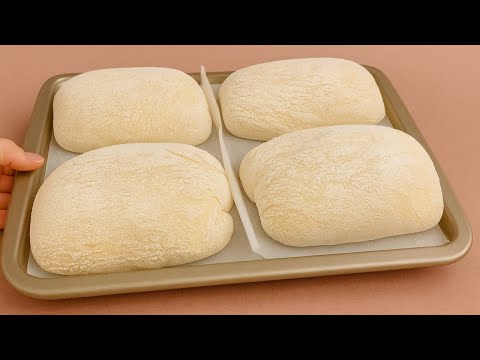
Divide the dough into two equal parts. Fold each piece over the sides again to trap air and create a fluffy texture. Then divide each piece into two equal pieces, making four pieces total. Place them on a baking sheet lined with parchment paper.
Time: PT10M
Final rise
Cover the shaped dough pieces with cling film and let them rise for 30-40 minutes at room temperature until puffy.
Time: PT40M
Temperature: 25-27°C
Bake the ciabatta
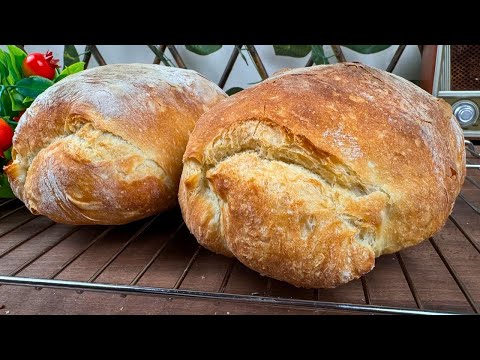
Preheat your oven to 240°C. Bake the ciabatta for 15 minutes at 240°C, then reduce the temperature to 180°C and bake for an additional 20 minutes until golden brown and cooked through.
Time: PT35M
Temperature: 240°C then 180°C
Cool and serve
Remove the ciabatta from the oven and let it cool completely on a wire rack before slicing and serving.
Time: PT15M
Nutrition Facts
- Calories
- 250
- Protein
- 7g
- Carbohydrates
- 50g
- Fat
- 1g
- Fiber
- 2g
Dietary info: vegetarian, low-calorie, low-fat
Allergens: gluten
Ingredient Substitutions
- Instead of wheat flour (pastry flour): all-purpose flour
- Instead of sugar: honey, agave syrup
- Instead of dry yeast: instant yeast
- Instead of salt: sea salt
- Instead of water: filtered water
Equipment Needed
- sieve
- mixing bowl
- spatula
- cling film (plastic wrap)
- work surface
- baking sheet
- parchment paper
- oven
Critical Steps — Do Not Skip
- Sifting and mixing dry ingredients evenly
- Mixing dough thoroughly to avoid lumps
- Proper dough folding to develop gluten and trap air
- Allowing adequate rises for dough to puff
- Correct baking temperatures and times
Chef Tips from the Video
- Use room temperature water to help yeast activate properly.
- Wet your hands before handling dough to prevent sticking.
- Do not over-knead; ciabatta dough is wetter and softer than typical bread dough.
- Folding the dough gently is key to the characteristic airy texture.
- Let the bread cool completely before slicing to maintain crumb structure.
Troubleshooting
Dough too sticky to handle
Moisten hands with water or flour the work surface more generously.
Bread is dense and not airy
Ensure proper folding and adequate rising times; avoid over-kneading.
Bread crust burns before inside is cooked
Lower oven temperature after initial baking as instructed; use an oven thermometer to verify accuracy.
Storage
Refrigerator: Store cooled ciabatta in an airtight container or plastic bag for up to 3 days.
Freezer: Wrap ciabatta tightly in plastic wrap and foil; freeze up to 1 month. Thaw at room temperature before reheating.
Room temperature: Keep covered in a bread box or paper bag for up to 2 days to maintain crust.
Make-Ahead Tips
- Dough can be prepared the day before and refrigerated overnight; bring to room temperature before proceeding.
- Ciabatta can be baked and frozen for later use.
Frequently Asked Questions
What is the cultural significance and history of Perfect Italian Ciabatta Bread in Italian cuisine?
Perfect Italian Ciabatta Bread is a staple of Italian bakeries dating back to the 1980s when it was created in the Veneto region as a rustic, open‑crumb loaf. It represents the Italian tradition of simple, high‑quality ingredients and is celebrated for its airy texture and crunchy crust, embodying the country’s love for communal meals and fresh bread.
What are the traditional regional variations of Perfect Italian Ciabatta Bread in different regions of Italy?
In Veneto, ciabatta is often made with a higher hydration dough for a larger hole structure, while in Tuscany bakers may add a touch of olive oil for extra softness. In the south, some versions incorporate a blend of durum and wheat flours, giving a slightly firmer crumb, but the core technique of folding and long fermentation remains consistent.
How is Perfect Italian Ciabatta Bread traditionally served in Italy, and what accompaniments are typical?
Perfect Italian Ciabatta Bread is traditionally sliced and served alongside soups, stews, or antipasti such as cured meats, cheeses, and bruschetta toppings. It is also used to soak up olive oil and balsamic vinegar or to make panini with fresh mozzarella and tomatoes.
What occasions or celebrations is Perfect Italian Ciabatta Bread traditionally associated with in Italian culture?
Ciabatta, including Perfect Italian Ciabatta Bread, is a common presence at family gatherings, festive holidays like Christmas and Easter, and casual weekend brunches. Its easy shareability makes it a favorite for picnics and outdoor meals during Italian summer festivals.
How does Perfect Italian Ciabatta Bread fit into the broader Italian cuisine tradition?
Perfect Italian Ciabatta Bread exemplifies the Italian emphasis on artisanal breads that complement rather than dominate a meal. Its light, open crumb pairs well with the Mediterranean flavors of olive oil, tomatoes, and cheese that are central to Italian cooking, reinforcing the balance of texture and taste in the cuisine.
What are the authentic traditional ingredients for Perfect Italian Ciabatta Bread versus acceptable substitutes?
Authentic Perfect Italian Ciabatta Bread uses pastry flour, water, salt, sugar, dry yeast, and a small amount of olive oil. Acceptable substitutes include all‑purpose flour for a slightly denser crumb, or a blend of pastry and bread flour to increase gluten strength while maintaining softness.
What other Italian dishes pair well with Perfect Italian Ciabatta Bread?
Perfect Italian Ciabatta Bread pairs beautifully with classic Italian soups like minestrone, hearty ragù sauces, and antipasto platters featuring prosciutto, pecorino, and marinated olives. It also makes an excellent base for panini filled with fresh basil, mozzarella, and sun‑dried tomatoes.
What makes Perfect Italian Ciabatta Bread special or unique in Italian bakery tradition?
Perfect Italian Ciabatta Bread is unique for its use of pastry flour, which yields a softer crumb while still achieving the signature airy holes. The folding technique and long, cool fermentation develop flavor without the need for high‑percentage Italian flour, making it accessible yet authentic.
What are the most common mistakes to avoid when making Perfect Italian Ciabatta Bread using pastry flour?
Common mistakes include under‑hydrating the dough, which prevents the open crumb, and over‑mixing, which can develop too much gluten and make the loaf dense. Skipping the folding steps or shortening the bulk fermentation also reduces the characteristic airy texture of Perfect Italian Ciabatta Bread.
What texture and appearance should I look for when shaping and baking Perfect Italian Ciabatta Bread to ensure a soft, airy, and fluffy crumb?
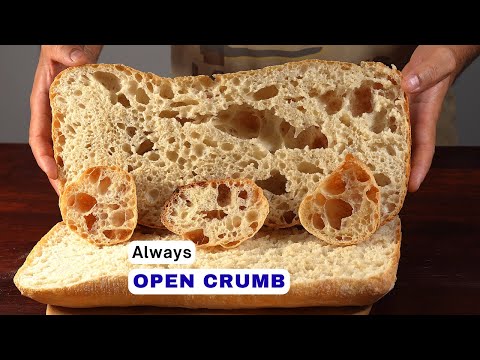
When shaping Perfect Italian Ciabatta Bread, the dough should feel tacky and slightly sticky, allowing it to spread naturally into its slipper shape. After baking, the crust should be golden‑brown and crackly, while the interior should reveal large, irregular holes and a light, fluffy crumb.
What does the YouTube channel Unknown specialize in, and how does it approach Italian bread recipes like Perfect Italian Ciabatta Bread?
The YouTube channel Unknown focuses on home‑cooking tutorials that emphasize simple, ingredient‑driven techniques for classic dishes. Its approach to Italian bread recipes like Perfect Italian Ciabatta Bread highlights clear step‑by‑step instructions, practical tips for using everyday pantry items, and an appreciation for authentic Italian flavor profiles.
Last updated: August 21, 2026