

Amazon Associates PartnerTrusted
As an Amazon Associate, we earn from qualifying purchases made through links on this page. This helps support our site at no extra cost to you. Clicking on ingredient or equipment links will take you to amazon.com where you can purchase these items.
Masoor Dal Tadka
A fragrant, protein‑rich whole masoor dal cooked with a special homemade garam masala and finished with a buttery tempering, served alongside fluffy basmati rice. The recipe follows the step‑by‑step method from Anukriti Cooking Recipes, ensuring the dal is soft, aromatic, and creamy.
Shop all ingredients on Amazon in one click • Printable PDF with shopping checklist
Cost Breakdown
Critical Success Points
- • Soaking the dal for at least 1 hour to keep the grains whole.
- • Roasting the whole spices gently before grinding to make the special garam masala.
- • Cooking the dal on low‑medium heat until fully softened without breaking the grains.
- • Tempering the yogurt (or cream) on low heat to avoid curdling.
Safety Warnings
- • Hot oil can splatter; keep a lid nearby.
- • Grinding hot roasted spices can release steam—let them cool completely before grinding.
- • Handle sharp knives carefully when grating tomatoes.
Frequently Asked Questions
Everything you need to know about this recipe
What is the cultural significance and history of Whole Masoor Dal Tadka in Indian cuisine?
Dal tadka is a staple across North India, symbolizing comfort and hospitality. Whole masoor dal, when cooked with a tempering (tadka), showcases the traditional technique of infusing lentils with aromatic spices, a practice that dates back centuries to rural households where dal was the primary protein source.
What are the traditional regional variations of masoor dal tadka in Indian cuisine?
In Punjab, the tadka often includes mustard seeds and asafoetida, while in Gujarat a hint of jaggery is added for sweetness. South Indian versions may use coconut oil and curry leaves, whereas the version from Anukriti Cooking Recipes emphasizes a special homemade garam masala and ghee‑rich tempering.
How is Whole Masoor Dal Tadka traditionally served in Indian households?
It is typically served hot with steamed basmati rice or Indian flatbreads like roti or naan. A side of fresh cucumber raita, pickles, and a wedge of lemon completes the meal, making it a balanced everyday dinner.
During which occasions is Whole Masoor Dal Tadka traditionally prepared in Indian culture?
Dal is a go‑to dish for daily meals, but it also appears at festivals such as Navratri (as a fasting‑friendly protein) and during family gatherings where a hearty, comforting dish is appreciated.
What makes Whole Masoor Dal Tadka special compared to other dal dishes in Indian cuisine?
Using whole masoor dal keeps each lentil intact, giving a pleasant bite. The recipe’s unique homemade garam masala, roasted on low flame, adds depth that store‑bought mixes lack, while the final touch of cream creates a silky texture.
What are the authentic traditional ingredients for Whole Masoor Dal Tadka versus acceptable substitutes?
Authentic ingredients include whole masoor dal, ghee, cumin, mustard seeds, bay leaf, whole spices for garam masala, and yogurt or cream. Substitutes can be butter for ghee, plain yogurt for cream, and pre‑ground garam masala if time is limited, though flavor will differ.
What other Indian dishes pair well with Whole Masoor Dal Tadka from the YouTube channel Anukriti Cooking Recipes?
Anukriti Cooking Recipes often pairs dal with simple jeera rice, butter naan, or a vegetable pulao. A side of cucumber raita, papad, or a fresh salad of sliced onions and tomatoes complements the richness of the dal.
What are the most common mistakes to avoid when making Whole Masoor Dal Tadka at home?
Common errors include skipping the soaking step, over‑roasting the whole spices (causing bitterness), cooking the dal on high heat (which breaks the grains), and adding yogurt at a boil (which curdles). Following the low‑medium simmer and tempering steps prevents these issues.
Why does this Whole Masoor Dal Tadka recipe use a homemade garam masala instead of store‑bought spice mix?
Homemade garam masala allows control over freshness and proportion of each spice, delivering a brighter aroma and deeper flavor. Roasting the whole spices just before grinding releases essential oils that pre‑ground mixes lose over time.
Can I make Whole Masoor Dal Tadka ahead of time and how should I store it?
Yes, the dal can be cooked a day ahead. Cool it quickly, store in an airtight container in the refrigerator for up to 3 days, and reheat gently on low heat, adding a splash of water if needed. The garam masala and cream are best added just before serving to retain freshness.
What texture and appearance should I look for when the Whole Masoor Dal Tadka is done?
The dal grains should be soft but still whole, with a slight bite. The gravy should be thick enough to coat the lentils, glossy from the ghee, and speckled with tiny pieces of fried spices. A final swirl of cream adds a creamy sheen.
What does the YouTube channel Anukriti Cooking Recipes specialize in?
The YouTube channel Anukriti Cooking Recipes specializes in easy‑to‑follow Indian home‑cooking tutorials, focusing on traditional flavors, step‑by‑step guidance, and practical tips for everyday cooks.
How does the YouTube channel Anukriti Cooking Recipes' approach to Indian cooking differ from other Indian cooking channels?
Anukriti Cooking Recipes emphasizes minimal equipment, clear visual cues, and culturally authentic spice blends like the homemade garam masala featured in this dal. The channel often shares personal anecdotes and regional variations, making the recipes feel both authentic and approachable.
You Might Also Like
Similar recipes converted from YouTube cooking videos
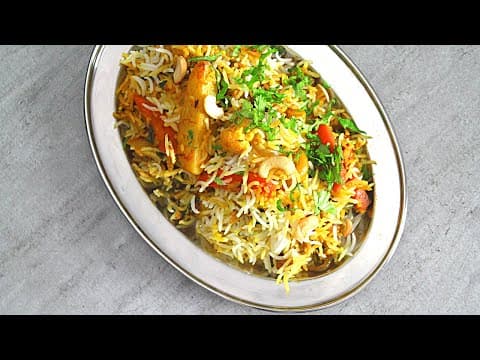
Vegetable Biryani with Basmati Rice
A fragrant vegetarian biryani with Indian spices, a mix of basmati rice, potatoes, carrots, cauliflower, raisins and cashews, seasoned with curry, cumin, cardamom and fresh mint. Ideal for a complete and comforting meal.

POPULAR STREET FOOD RECIPES
Crispy, fluffy dal pakoras made the traditional way with soaked mung dal, aromatic spices and a hot oil fry. Served with green chutney or sweet chutney, these bite‑size snacks are perfect for tea time, parties or a comforting Indian street‑food treat.

Secret Restaurant-Style Green Moong Dal
A step‑by‑step guide to recreating the rich, flavorful green moong dal you love from restaurant dhabas, using simple pantry staples and a pressure cooker. The dal is dry‑roasted for extra depth, finished with fresh ginger, green chilies, and a splash of lemon for brightness.
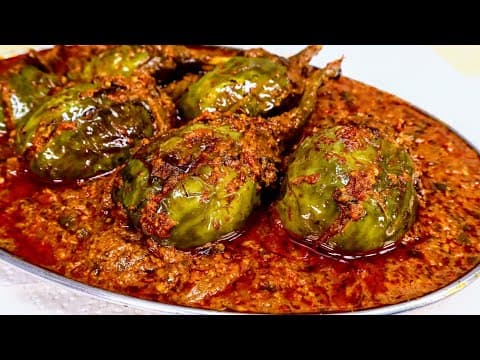
Spicy Stuffed Eggplant Curry (Baingan Bharwan)
A richly spiced, stuffed eggplant cooked in a thick, tangy tomato‑onion gravy. The dry masala is made from fennel, roasted peanuts, spices and a touch of sugar to balance the flavors. This Indian‑style main course is perfect for family meals or festive gatherings.

Flaky Parotas (Layered Indian Flatbread)
Learn the easiest way to make ultra‑flaky parotas with just a few simple steps and a little extra resting time. These layered flatbreads are crisp on the outside, soft inside, and perfect for scooping up curries or enjoying on their own.
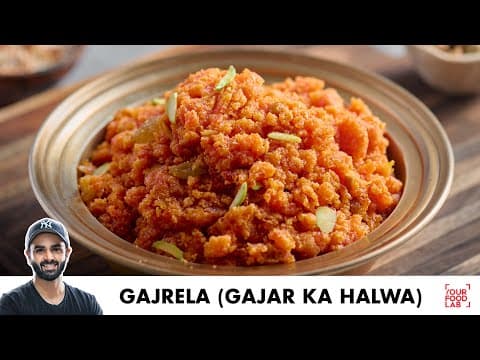
Gajar ka Halwa (Carrot Halwa) without Ghee or Mawa
A traditional Indian carrot halwa made by slowly cooking grated carrots in full‑fat milk until the milk reduces to natural mawa, then sweetened with sugar, flavored with cardamom and finished with toasted nuts. No added ghee or milk solids are required, making it a lighter yet richly aromatic dessert.