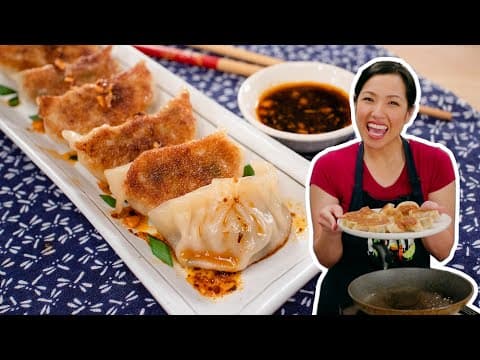
Gyoza dumplings are a beloved Japanese staple that combine a delicate, thin wrapper with a savory, often pork‑based filling, finished with a satisfying crisp‑then‑steam texture. While the basic concept is simple—ground meat, cabbage, aromatics, and a quick pan‑fry—subtle variations in ingredient ratios, moisture management, and pleating technique can dramatically affect the final bite.
This guide pulls together three real recipes extracted from YouTube cooking videos: J. Kenji López‑Alt’s pork‑heavy version, BigEats’ pan‑fried chicken gyoza, and Pailin's Kitchen’s “6 Secrets to Juicy Pork Dumplings.” By comparing each creator’s ingredient list, prep time, and chef tips, we reveal how small adjustments create distinct styles, from ultra‑juicy pork pockets to leaner chicken bites.
Variations and Styles of Gyoza Dumplings
The three creators each emphasize a different aspect of the classic gyoza. Kenji focuses on moisture control by salting and draining cabbage and uses a potato ricer for a fine texture, which yields a filling that stays cohesive during the pan‑steam step. BigEats opts for a leaner ground chicken base, adds a splash of butter to the oil for extra crunch, and layers sesame‑oil‑infused chili oil for a subtle heat. Pailin’s Kitchen stresses fat content (minimum 20% pork fat) and incorporates tapioca starch and dashi powder to lock in juiciness while keeping the wrapper tender.
Beyond protein choice, the recipes differ in wrapper handling. Kenji and Pailin both recommend keeping wrappers covered with a damp towel, but Kenji adds an optional thin‑steam step for a lighter crust. BigEats assumes store‑bought round gyoza wrappers and does not mention steaming, instead relying on a quick water‑steam cover to finish cooking. These stylistic choices influence the final mouthfeel: Kenji’s gyoza are crisp‑on‑the‑bottom with a gentle steam lift, BigEats’ are crunchy throughout, and Pailin’s are soft‑inside with a glossy, slightly chewy skin.
How 3 YouTube cooks make Gyoza Dumplings
Below is a side‑by‑side look at each creator’s approach, linking directly to the original YTRecipe pages.
| Creator (Channel) | Style | Total Time | Serves | Distinguishing Choice |
|---|---|---|---|---|
| J. Kenji López‑Alt | Pork, moisture‑controlled cabbage, optional thin steam | 2 h 11 m | 4 | Ricing cabbage, double‑salting, optional 1‑minute steam before crisp |
| BigEats | Chicken, butter‑oil mix, chili‑sesame finish | 35 m | 4 | Butter splash for extra crunch; sesame‑oil‑infused chili oil |
| Pailin's Kitchen | Pork with high fat, tapioca starch, dashi boost | 1 h 20 m | 4 | 20 % fat pork, 1 tbsp tapioca starch, dashi powder for umami |
All three videos start with a basic ground‑meat and cabbage mixture, but the ratios differ. Kenji uses a full pound of cabbage for a pound of pork (1:1 by weight), while Pailin pares the cabbage down to 200 g for 500 g pork (roughly 0.4:1), deliberately reducing moisture. BigEats uses one cup of shredded cabbage with one pound of chicken, a lighter proportion that keeps the filling from becoming soggy.
Seasoning also varies: Kenji splits kosher salt (2 tsp + 1 tsp) and adds a teaspoon of granulated sugar, whereas BigEats relies on a single teaspoon of salt and optional MSG. Pailin adds soy sauce, toasted sesame oil, and a teaspoon of sugar, plus a dash of dashi powder not listed in the key ingredients but mentioned in the chef tips.
Technique Deep Dive: Consensus and Disagreements
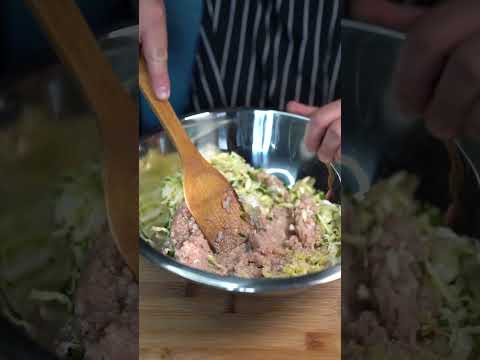
**Moisture Management** – Both Kenji and Pailin explicitly address cabbage moisture. Kenji salts the cabbage, lets it sit, then wrings it out with a potato ricer; Pailin sautés the cabbage with a garlic‑ginger paste, which both flavors and evaporates excess water. BigEats does not treat the cabbage beyond shredding, resulting in a quicker prep but potentially a wetter filling.
**Binding Agents** – Kenji relies on the natural stickiness of pork and the riced cabbage, noting that the mixture becomes cohesive after a few minutes of kneading. Pailin adds 1 tbsp tapioca starch, which gelatinizes during cooking to lock in juices. BigEats does not add a starch, instead counting on thorough mixing of chicken and aromatics to achieve a bind.
**Pleating and Sealing** – All three emphasize a wet rim to seal the dumpling. Kenji mentions “proper pleating” but does not detail a specific fold count; his video shows a classic half‑moon with a simple crimp. BigEats stresses sealing edges completely to prevent leakage during the steam step. Pailin’s method includes a “pinch‑and‑twist” technique that creates a tighter seal, especially important given the added starch.
**Pan‑Fry‑Then‑Steam (Crisp‑Then‑Steam) Method** – Kenji’s recipe includes an optional 1‑minute steam before the final crisp, effectively a two‑stage cooking: 2 minutes on high heat to brown, 1 minute steam, then another minute to re‑crisp. BigEats skips the pre‑steam, adding water and covering the pan immediately after the first side browns, resulting in a uniformly steamed interior and crisp bottom. Pailin follows a classic “gyoza” method: fry until golden, add ¼ cup water, cover for 5 minutes, then uncover to evaporate remaining liquid.
**Heat and Timing Numbers** – Kenji’s total time (2 h 11 m) reflects the lengthy cabbage salting and draining process. The actual pan‑cook is about 4 minutes per batch. BigEats completes the entire dish in 35 minutes, with a 2‑minute fry per side and a 3‑minute steam. Pailin’s 1 h 20 m includes sautéing cabbage (≈5 minutes), mixing (≈10 minutes), and the 5‑minute steam step.
Frequently Asked Questions
What is the ideal filling-to-wrapper ratio for gyoza dumplings?
The ideal ratio is roughly 1 tsp of filling per 6‑cm wrapper, which translates to about 15‑20 g of filling per wrapper. All three creators aim for a bite‑size amount that doesn’t overstretch the skin.
Can I use store‑bought gyoza wrappers for Kenji’s pork recipe?
Yes, but keep them covered with a damp towel as Kenji advises to prevent drying. For the optional thin‑steam step, a slightly thinner store‑bought wrapper works best.
How much fat should ground pork contain for juicy gyoza?
Pailin’s Kitchen recommends pork with at least 20 % fat, which provides enough melt‑in‑the‑pan juiciness while still allowing the filling to bind.
Is it necessary to add tapioca starch to the filling?
Tapioca starch, as used by Pailin, helps lock in moisture and creates a slightly chewy texture. It’s optional if you prefer a purely meat‑and‑cabbage texture.
What’s the purpose of adding sugar to the filling?
Sugar balances the salt and enhances caramelization during the fry. Both Kenji and Pailin add a teaspoon of granulated sugar for this reason.
How do I achieve a crispy bottom without burning the gyoza?
Use a hot, non‑stick pan with 2 tbsp vegetable oil (or oil‑butter mix as BigEats suggests). Fry until the edges turn golden, then add a splash of water and cover to steam; this prevents the bottom from scorching while the interior cooks.
Can I substitute chicken for pork in Pailin’s recipe?
You can, but you’ll need to adjust moisture control—add a bit of cornstarch or tapioca starch and consider a higher salt level, since chicken is leaner than pork.
What is the “crisp‑then‑steam” technique?
First, fry the gyoza on one side until the bottom is golden (≈2‑3 minutes). Then add a small amount of water (¼‑½ cup), cover, and steam for 4‑5 minutes. Finally, uncover and let any remaining liquid evaporate to re‑crisp the bottom.
How long can I store uncooked gyoza in the freezer?
Arrange uncooked gyoza on a parchment‑lined tray, freeze solid (≈2 hours), then transfer to a zip‑top bag. They keep for up to 2 months and can be cooked from frozen with an extra minute of steaming.
Do I need to rinse the cabbage after salting?
Yes. After sprinkling salt and letting the cabbage sit for 10‑15 minutes, rinse under cold water and wring out excess moisture—Kenji uses a potato ricer for this step.