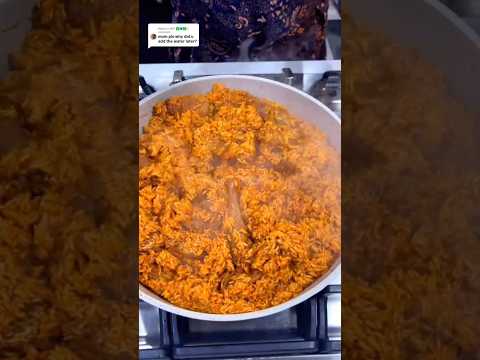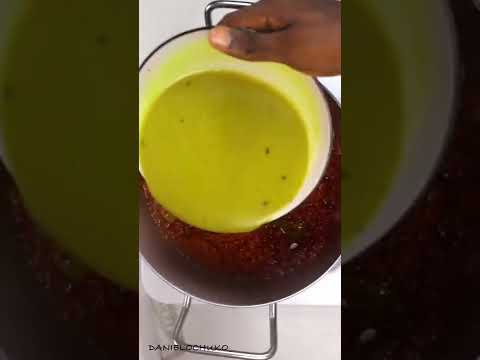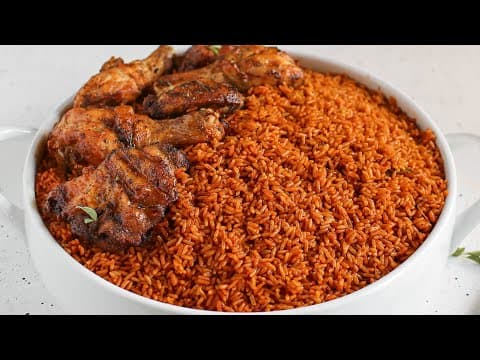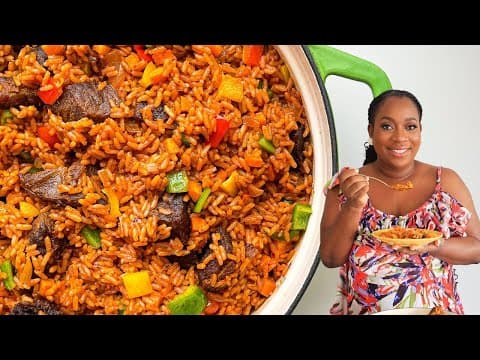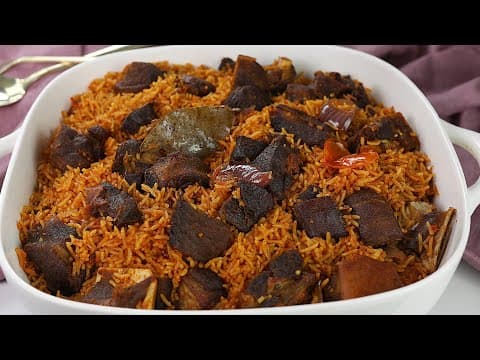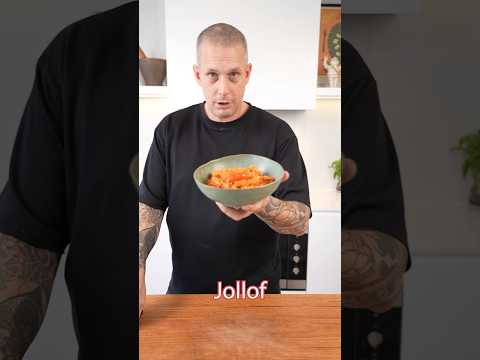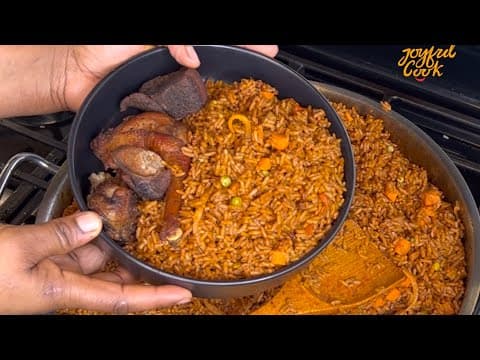
Jollof Rice is West Africa’s most celebrated one‑pot comfort food, a vibrant blend of rice, tomatoes, peppers, and a spectrum of proteins that varies from household staple to party centerpiece. The dish’s hallmark is a richly seasoned tomato base that coats each grain, while regional twists—most famously the Nigerian versus Ghanaian debate—fuel endless kitchen conversations.
In this guide we dissect eight real recipes extracted from YouTube creators who each claim to have the ultimate Jollof method. From Joyful Cook’s party‑style Jollof fries to Sweet Adjeley’s quick‑cook version, the data shows how time, rice type, and secret tricks like smoked paprika or caramelised tomato paste shape the final bowl. By the end you’ll know which approach matches your occasion, flavor preference, and kitchen equipment.
The creators featured are Joyful Cook, LA CUISINE D’AMA, Sweet Adjeley, Daniel Ochuko, Kikifoodies, SisiYemmieTV, Sisi Jemimah's Recipes, and Andy Cooks. Each recipe is linked directly to its YTRecipe page so you can jump from analysis to step‑by‑step instructions.
Variations and Styles of Jollof Rice
The eight videos illustrate three major editorial angles: the Nigerian vs. Ghanaian rivalry, the party‑grade smokiness that many hosts chase, and the science of the tomato base reduction. Nigerian cooks (Daniel Ochuko, Kikifoodies, Andy Cooks) tend to favour parboiled or long‑grain basmati rice, use stock or broth, and often add smoked paprika or dried fish for depth. Ghanaian‑style references appear indirectly through the emphasis on a thick, caramelised tomato paste, a technique championed by Sweet Adjeley and LA CUISINE D’AMA. Party Jollof, as demonstrated by Joyful Cook and Sisi Jemimah's Recipes, leans on heavy protein (chicken, goat, beef) and extra oil to achieve a glossy, smoky finish that holds up on buffet tables.
Across the board, the tomato base is the battlefield: some chefs fry the paste until the oil separates (Kikifoodies, Daniel Ochuko), others add a pinch of sugar to accelerate caramelisation (Joyful Cook), and a few blend roasted peppers for an extra smoky layer (Joyful Cook, Andy Cooks). The choice of rice—parboiled, basmati, or Golden Sella—directly impacts grain separation, with parboiled rice delivering the classic fluffy texture prized in Nigerian Jollof.
How 8 YouTube cooks make Jollof Rice
| Creator (Channel) | Style (Recipe) | Total Time | Serves | Distinguishing Choice |
|---|---|---|---|---|
| Joyful Cook | Party Jollof Fries | PT3H20M | 6 | Charred red peppers, reused frying oil, pinch of sugar in tomato paste |
| LA CUISINE D’AMA | Jollof Rice with Meatballs and Crayfish Powder | PT1H50M | 8 | Pre‑cooked meatballs, crayfish powder, onion powder seasoning |
| Sweet Adjeley | How To Get The Perfect Jollof Rice Each Time | PT45M | 4 | Long grain parboiled rice, hot water, high‑heat fluffing step |
| Daniel Ochuko | Nigerian Jollof Rice | PT71M | 4 | Basmati rice, turkey broth, smoked paprika or dried smoked fish |
| Kikifoodies | How to Make the Perfect Jollof Rice | PT3H1M | 5 | Cast‑iron pot, roasted peppers, coconut milk splash |
| SisiYemmieTV | The BEST JOLLOF You Will Ever Make - BEEF JOLLOF RICE | PT1H35M | 4 | Beef stew meat, finish in hot cast‑iron skillet, smoked paprika addition |
| Sisi Jemimah's Recipes | PERFECT JOLLOF RICE - GOAT MEAT JOLLOF RICE | PT5H30M | 6 | Goat meat marinated 2 hrs, smoked paprika, caramelised tomato paste |
| Andy Cooks | Nigerian Jollof Rice 🌾 | PT1H5M | 4 | Parboiled rice, charred tomato blend, toasted thyme & bay leaf |
The table highlights how cooking time ranges from a swift 45 minutes (Sweet Adjeley) to a marathon 5½ hours for goat‑meat Jollof (Sisi Jemimah’s). Servings per pot vary between four and eight, reflecting protein‑heavy party versions versus leaner family portions. Distinguishing choices—smoked paprika, stock versus water, rice variety, and the use of pre‑cooked proteins—are the levers each creator pulls to claim “the best” Jollof.
Technique Deep Dive: Consensus and Disagreements
All eight chefs agree on three foundational steps: (1) develop a deep, caramelised tomato base; (2) rinse the rice until the water runs clear; and (3) steam the rice covered on low heat until the liquid is fully absorbed. The consensus on the tomato base is striking: five recipes fry tomato paste until the oil separates (Joyful Cook, Daniel Ochuko, Kikifoodies, SisiYemmieTV, Sisi Jemimah’s), while Sweet Adjeley simply mixes a pre‑made tomato‑based sauce with hot water, a shortcut that reduces cooking time but can yield a thinner sauce.
Where they diverge is the source of liquid and the type of rice. Nigerian‑style videos (Daniel Ochuko, Andy Cooks, Kikifoodies) favour broth—turkey, chicken stock, or bouillon cubes—to infuse umami, whereas Sweet Adjeley and LA CUISINE D’AMA rely on plain hot water, resulting in a lighter flavor profile. Rice choice splits between long‑grain parboiled (Sweet Adjeley, Andy Cooks), basmati (Daniel Ochuko, Sisi Jemimah’s), and Golden Sella (Sisi Jemimah’s), each delivering a subtly different texture: parboiled rice stays separate, basmati offers a fragrant bite, and Golden Sella provides a slightly buttery mouthfeel.
Smokiness is another contested arena. Joyful Cook and Kikifoodies explicitly char peppers and blend them, while Daniel Ochuko suggests adding smoked paprika or a piece of dried smoked fish. SisiYemmieTV finishes the dish in a pre‑heated cast‑iron skillet for a rapid sear, and Sisi Jemimah’s adds smoked paprika during the final stir. The amount of oil also varies: party‑style recipes (Joyful Cook, Sisi Jemimah’s) use 4 – 6 Tbsp of oil to keep the dish glossy and to accommodate heavy proteins, whereas the leaner versions (Sweet Adjeley, Andy Cooks) keep oil to ¼ cup or less.
Timing nuances are critical. Sweet Adjeley’s “hot water” method shortens cooking to 45 minutes, but the rice must be pre‑rinsed and the heat regulated after adding water to avoid mush. The longest preparation (Sisi Jemimah’s goat Jollof) includes a mandatory 2‑hour meat marination and a slow 5‑hour simmer, emphasizing depth over speed. Most creators recommend a final “fluff” step: Sweet Adjeley calls for a high‑heat stir to separate grains, while Andy Cooks and Daniel Ochuko let the pot rest off‑heat for 10 minutes before serving.
Frequently Asked Questions
What is the main difference between Nigerian and Ghanaian Jollof Rice?
Nigerian Jollof typically uses parboiled or basmati rice, stock or broth, and often incorporates smoked paprika or dried smoked fish for a deep smoky flavor, whereas Ghanaian Jollof leans on a thicker, caramelised tomato paste and may favour a slightly sweeter profile with less emphasis on broth.
How long should Jollof Rice cook?
Cooking time varies by method: quick versions like Sweet Adjeley's take about 45 minutes, while traditional party styles can exceed 3 hours, especially when using tougher proteins such as goat. The core rice steaming step usually lasts 20‑25 minutes on low heat once the liquid is added.
Which rice type yields the best texture for Jollof Rice?
Parboiled long‑grain rice gives the classic fluffy, separate‑grain texture prized in Nigerian Jollof. Basmati adds fragrance and a slightly firmer bite, while Golden Sella offers a buttery mouthfeel; the choice depends on personal preference and the desired mouthfeel.
Can I make Jollof Rice without tomato paste?
Yes, you can substitute a blend of fresh tomatoes, roasted red peppers, and a splash of tomato puree, but you must fry the mixture longer to achieve the deep colour and flavor that tomato paste provides. Skipping paste may result in a lighter sauce unless you caramelise the fresh tomatoes thoroughly.
How do I achieve a smoky flavor in Jollof Rice?
Smokiness can be introduced by char‑roasting peppers (Joyful Cook, Andy Cooks), adding smoked paprika or dried smoked fish (Daniel Ochuko, SisiYemmieTV), or finishing the dish in a hot cast‑iron skillet for a quick sear (SisiYemmieTV). Each method adds a distinct layer of smoke without requiring a smoker.
What is the purpose of rinsing the rice before cooking?
Rinsing removes excess surface starch, preventing the grains from sticking together and ensuring the final dish remains fluffy and each grain stays distinct—a step emphasized by Daniel Ochuko, Andy Cooks, and Kikifoodies.
How can I prevent Jollof Rice from becoming mushy?
Use the correct water‑to‑rice ratio (typically 1 part rice to 1.5 parts liquid for parboiled rice), add hot water rather than cold to avoid shocking the grains, and keep the heat low during the final steaming phase. Also, avoid stirring after the liquid is added, except for the initial coating step.
Is it necessary to use stock instead of water?
Stock adds depth and umami, especially in Nigerian‑style recipes (Daniel Ochuko, Andy Cooks, Kikifoodies). Water works for quicker, lighter versions, but you may need to boost seasoning with extra bouillon or herbs to compensate.
Can I substitute goat meat with chicken in Jollof Rice?
Absolutely; chicken cooks faster and absorbs the tomato‑spice broth readily. If swapping, reduce the cooking time by about 30 minutes and consider adding a splash of coconut milk (as suggested by Kikifoodies) for extra richness.
How do I store leftovers of Jollof Rice?
Cool the rice to room temperature within two hours, then refrigerate in an airtight container for up to four days. Reheat gently on the stove with a splash of water or broth to revive moisture, or microwave covered with a damp paper towel.
What side dishes pair well with Jolloe Rice?
Classic accompaniments include fried plantains, coleslaw, grilled chicken or beef kebabs, and a simple cucumber‑tomato salad. For a Ghanaian twist, serve with fried fish and a spicy pepper sauce.
How do the cooking vessels affect Jollof Rice flavor?
Cast‑iron or traditional African clay pots retain heat and impart a subtle smoky note (Kikifoodies, SisiYemmieTV). Thin‑walled stainless steel heats quickly but can cause uneven cooking if the heat isn’t reduced promptly. Using a heavy‑bottomed pot helps achieve an even steam and prevents scorching at the bottom.