Prime rib, also known as a standing rib roast, is a celebrated centerpiece for holidays and special occasions. Its thick marbling and generous fat cap promise a juicy, tender slice when cooked correctly, but the method you choose can dramatically affect crust, flavor, and ease of execution.
This guide pulls together eight real recipes extracted from YouTube cooking videos—Danny Kim, Chef Jean‑Pierre, Fallow, J. Kenji López‑Alt, Camirra's Kitchen, Serious Eats, ThatDudeCanCook, and Foolproof Living. By examining each creator’s ingredient list, total time, serving size, and chef tips, we reveal where the community converges and where it diverges, giving you a single reference point for the ultimate prime rib decision.
Variations and Styles: Reverse Sear vs High‑Heat‑Then‑Off‑Oven
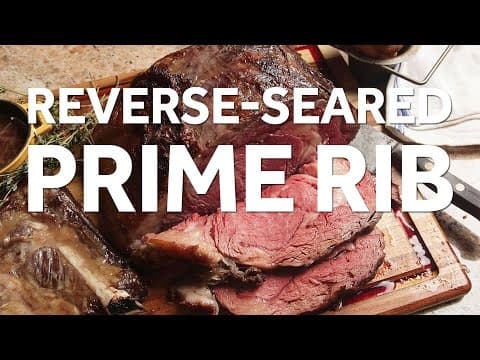
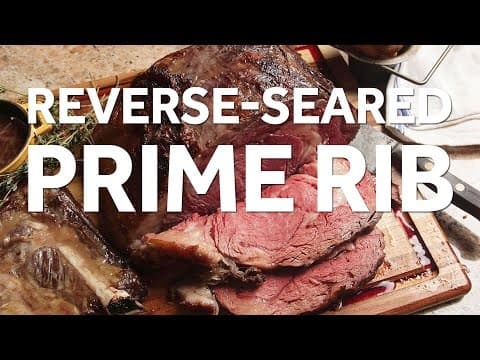
The most common split among professional home cooks today is between the reverse‑sear method and the more traditional high‑heat‑then‑off‑oven approach. Reverse sear starts with a low‑temperature roast (often 200‑250 °F) until the meat reaches a target internal temperature well below the final doneness, followed by a brief blast of high heat (500‑550 °F) to form a caramelized crust. The high‑heat‑then‑off‑oven technique, exemplified by Danny Kim’s mayonnaise‑marinated prime rib, begins with a hot oven (often 450‑500 °F) for a short period, then reduces the temperature or removes the roast to finish cooking gently.
Both styles rely on a dry‑brine—generously coating the roast with kosher salt and letting it rest uncovered—to concentrate flavor, improve crust formation, and promote even cooking. The key differences lie in brine duration, use of marinades or sauces, and the precise internal‑temperature targets that dictate final doneness and carry‑over cooking.
How 8 YouTube Cooks Make Prime Rib
Below is a side‑by‑side comparison of the eight creators, linked directly to their YTRecipe pages.
| Creator (Channel) | Style | Total Time | Serves | Distinguishing Choice |
|---|---|---|---|---|
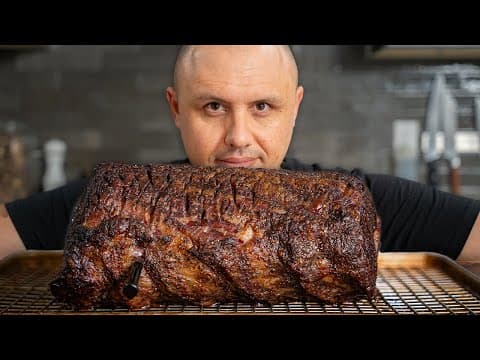
| Danny Kim | High‑heat start, mayo‑marinade | PT38H35M | 6 | Mayonnaise‑based wet rub, 24‑36 h uncovered marinate |
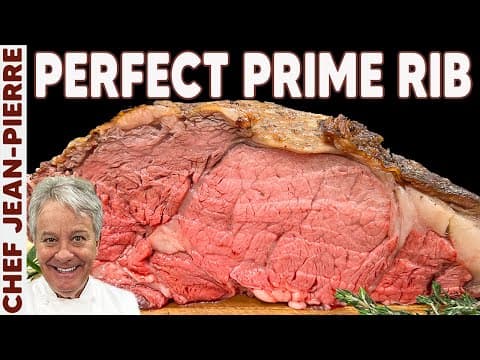
| Chef Jean‑Pierre | Reverse sear | PT5H5M | 8 | Dry brine 3‑4 h, internal 120 °F before sear |
| Fallow | Reverse sear with extended dry brine | PT56H0M | 6 | 48 h dry brine, low‑temp roast to 47‑48 °C (117‑118 °F) |
| J. Kenji López‑Alt | Classic reverse sear | PT6H20M | 4 | Minimal seasoning, probe left in meat |
| Camirra's Kitchen | Reverse sear with herb butter | PT5H45M | 8 | French‑fied bones, butter‑rosemary rub, optional flip halfway |
| Serious Eats | Reverse sear, simple seasoning | PT7H0M | 8 | Drip pan for gravy, uncovered rest on rack for crust |
| ThatDudeCanCook | Reverse sear with horseradish sauce | PT6H15M | 8 | Overnight dry‑brine, low‑temp to 100 °F, horseradish mayo sauce |
| Foolproof Living | Reverse sear, broth‑wine au jus | PT3H37M | 6 | Pat‑dry surface, tie tightly, add beef broth & red wine for au jus |
All eight chefs start with a bone‑in standing rib roast, but the size ranges from 5 lb to 10 lb, influencing cooking time and the amount of salt needed for a proper dry brine. Danny Kim’s version is the only one that employs a wet marinade (full‑fat mayonnaise, A1 steak sauce, Worcestershire, honey, and thyme), while the others rely on dry salt‑based brines.
Dry‑brine length is the most variable factor: Foolproof Living and Chef Jean‑Pierre recommend as little as 3‑4 hours, Camirra’s Kitchen suggests simply bringing the roast to room temperature, ThatDudeCanCook and J. Kenji López‑Alt advise a minimum of 24 hours, and Fallow pushes the envelope to a full 48 hours. Longer brines consistently produce deeper seasoning penetration and a drier surface that crisps more readily during the high‑heat finish.
Internal‑temperature targets also differ. The majority aim for a final medium‑rare range (120‑125 °F). Chef Jean‑Pierre stops the low‑temp phase at 120 °F, then sears; ThatDudeCanCook stops at a cooler 100 °F to allow more carry‑over heat; Fallow’s 47‑48 °C (117‑118 °F) is essentially the same low‑end of medium‑rare; Kenji López‑Alt and Serious Eats leave the exact target open but imply the classic 115‑120 °F window. The high‑heat‑then‑off‑oven method used by Danny Kim does not list an internal target, but the 30‑minute room‑temp rest and optional broiler finish suggest a finish near 130 °F for a medium doneness.
Technique Consensus and Points of Disagreement
Consensus: Every creator trims excess fat (often leaving a thin ¼‑inch cap), applies a generous kosher‑salt coating, and uses a probe thermometer that stays in the meat throughout the low‑temp phase. All eight recipes include a resting period—ranging from 15 minutes to 45 minutes—before the final sear or slice, recognizing that carry‑over cooking will raise the internal temperature by 5‑10 °F.
Key Disagreements:
- Dry‑brine duration: 3‑4 hours (Chef Jean‑Pierre, Foolproof Living) vs. 24‑36 hours (Danny Kim, J. Kenji López‑Alt, Camirra’s Kitchen, ThatDudeCanCook) vs. 48 hours (Fallow).
- Moisture addition: Danny Kim’s mayonnaise wet rub versus pure dry‑brine approaches.
- Flavor boosters: Fallow adds brandy to the pan sauce; ThatDudeCanCook finishes with a horseradish‑mayonnaise sauce; Foolproof Living incorporates beef broth and red wine for an au jus.
- Internal‑temp endpoint before sear: 100 °F (ThatDudeCanCook) vs. 120 °F (Chef Jean‑Pierre) vs. 117‑118 °F (Fallow) vs. unspecified (Kenji, Serious Eats, Camirra).
- High‑heat finish technique: Traditional 500‑550 °F oven blast (most reverse‑sear chefs) versus a 2‑3 minute broiler blast (Danny Kim) versus a stovetop sear in a cast‑iron skillet (some creators mention but not listed).
When translating these data points into a single workflow, the safest “middle ground” is a 24‑hour dry brine, low‑temp roast at 225 °F until the internal temperature reaches 115‑120 °F, rest 30 minutes, then finish with a 5‑minute 500 °F oven blast or a hot skillet sear. Adjust brine length upward for larger roasts (10 lb) or if you desire a deeper crust.
Frequently Asked Questions
What is the best internal temperature for prime rib?
For classic medium‑rare, aim for a final internal temperature of 120‑125 °F after resting; the low‑temp phase should stop at 115‑120 °F to allow carry‑over heat to finish the roast.
How long should I dry‑brine a prime rib?
Dry‑brine times range from 3 hours to 48 hours; a 24‑hour brine offers a reliable balance of flavor depth and surface dryness for most home cooks.
Do I need to use a probe thermometer that stays in the oven?
Yes—every creator who uses the reverse‑sear method recommends a leave‑in probe to avoid opening the oven and losing heat, ensuring precise temperature control.
Can I use a wet marinade instead of a dry brine?
Danny Kim demonstrates a successful mayonnaise‑based wet rub; it adds moisture and a subtle tang but may produce a softer crust compared with a dry‑brine.
What temperature should I set for the low‑temp roast?
Most chefs set the oven between 200‑250 °F; Kenji López‑Alt notes that if your oven cannot hold a steady 250 °F, use the lowest setting and extend the cook time slightly.
How long should I rest the prime rib before slicing?
Resting times vary from 15 minutes to 45 minutes; 30 minutes is a good rule of thumb to let juices redistribute and the internal temperature rise a few degrees.
Should I trim the fat cap?
All creators recommend leaving a thin ¼‑inch cap; it renders during the high‑heat finish, basting the meat and adding flavor.
Do I need to tie the roast with kitchen twine?
Camirra’s Kitchen, Foolproof Living, and several others tie the bones to maintain shape and ensure even cooking, especially for roasts with multiple bones.
Is a high‑heat sear necessary after the low‑temp roast?
Yes—the high‑heat blast creates the Maillard‑driven crust that defines a prime rib; without it, the exterior can remain pale and less flavorful.
Can I add a sauce or au jus after the roast?
Fallow adds brandy to a pan sauce, ThatDudeCanCook serves a horseradish‑mayonnaise accompaniment, and Foolproof Living prepares a beef‑broth/red‑wine au jus; all are optional but enhance the final dish.