
Survival Kitchen 1930
29 recipes converted from their YouTube cooking videos.

Freeze Your Soup Into Cubes and Forget About Hunger for 2 Years. Great Depression Survival Food.
A historic Great‑Depression‑era recipe that turns a single piece of bone‑in beef, onions, carrot and butter into dense, nutrient‑rich soup cubes that can be frozen and stored for up to two years. Each thumb‑sized cube provides a full‑portion hot soup in about 60 seconds.

The Forgotten 1939 Survival Cubes. Make Once, Eat for 2 Years.
A compact, nutrient‑dense survival food block that combines caramelized cabbage, seared beef, dehydrated onion puree, sweet carrot, and a gelatin‑rich chicken bone broth. Freeze‑set for two hours, wrap in parchment and foil, and you have a shelf‑stable cube that rehydrates in 30 seconds of hot water – perfect for long‑term emergency storage.

The Forgotten 1930 Survival Jar. Make Once, Eat for Months.
A Depression‑era emergency meal that layers seared dark‑meat chicken, a golden broth (Zervac), raw rice and garlic in sterilized glass jars. The jars are baked in two oven phases to create a vacuum‑sealed, shelf‑stable dish that can feed a family for months without refrigeration.
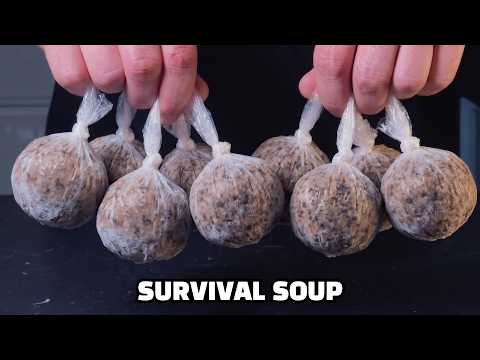
Survival Soup Balls: The Forgotten 1930s Secret to Eating for 2 Years.
A nutrient‑dense, freeze‑dried soup ball that can be rehydrated in 30 seconds with boiling water. Made with dried vegetables, cured duck hearts, and a collagen‑rich pork trotter broth, this 1930s‑style emergency ration provides a full day’s calories and protein for off‑grid survival.
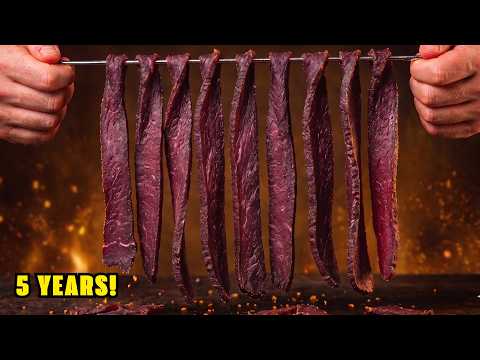
The 5-YEAR SURVIVAL JERKY: Lost 1930s Great Depression Recipe
A 1930s‑style, no‑refrigeration beef jerky that yields three distinct flavor profiles—classic salt, smoked paprika‑garlic, and crunchy dried‑onion—from a single cut of beef. The method uses only salt, paprika, onion, and a few pantry staples, and produces a shelf‑stable protein source that can last years when stored properly.
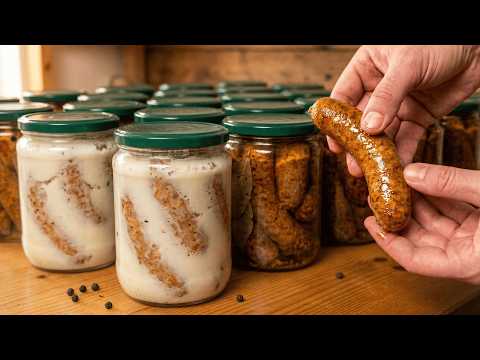
When Shelves Go Empty, These Meat Sausages Will Feed Your Family. 2-Year Shelf Life.
A step‑by‑step guide to making beef‑and‑liver sausages that can be stored for up to two years without refrigeration. The process includes grinding tough beef shank, adding liver, corn flour, and a protective lard coating, then baking, jar‑filling, and a three‑hour water‑bath sterilization for ultimate shelf stability.

The 1930s SURVIVAL ONION SAUSAGE. The Forgotten $2 Onion Sausage: NO ONE Believes There Is No Meat!
A budget-friendly, meatless sausage inspired by 1930s survival cooking. Using thinly sliced pork fatback, caramelized onions, toasted semolina, and natural pork intestine casings, this recipe creates a flavorful, firm sausage that mimics premium meat for just a few dollars. The step‑by‑step guide includes curing, rendering, DIY funnel stuffing, and a two‑stage bake that yields a golden, crispy crust.
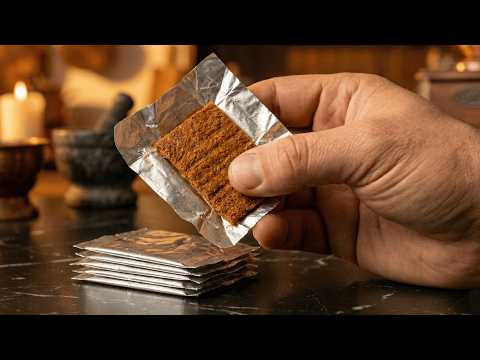
NO FRIDGE — Turn Chicken Bones Into Soup That Lasts 2 Years. Great Depression Survival Food.
A zero‑cost, shelf‑stable chicken bone broth concentrate made from saved chicken bones, onion, and carrot. Cooked low and slow for eight hours, then dried into a hard slab that can be stored at room temperature for up to two years. Reconstitute with hot water for a nutrient‑dense soup or use as a base for any dish.

The Forgotten 1930s Garlic & Onion Sauce That Costs Pennies To Make
A pair of calorie‑dense, shelf‑stable pastes made from caramelized red onion and crisped old garlic, blended with eggs, oil, and simple seasonings. Inspired by 1930s survival cooking, these sauces keep for months without refrigeration and add instant flavor and calories to emergency rations, pasta, soups, or hard bread.
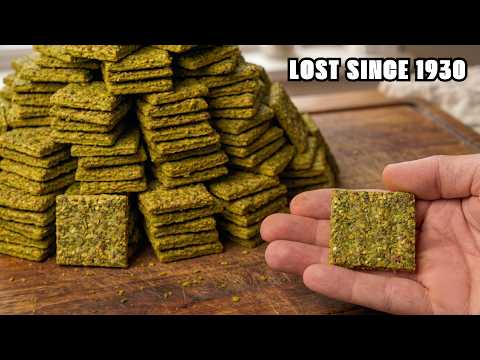
This 1930 Seasoning Recipe Never Spoils (No Fridge Needed)
A 100‑year‑old, pantry‑ready herb and spice blend that can be kept fresh in the refrigerator for daily use or dried into long‑lasting cubes for off‑grid storage. Made with red bell pepper, dill, parsley, lemon zest, garlic, green onions, cilantro, hot pepper, Himalayan salt and a handful of classic spices, this chemical‑free seasoning provides a vitamin‑rich boost to soups, stews, broths and more.

The Forgotten 1930s Survival Soup Balls. Make It Once, Eat for 2 Years.
A self‑contained frozen soup ball that contains pork, dried vegetables, rice and a secret egg protein matrix. In just 60 seconds of boiling water you get a hot, nutritious soup—perfect for long‑term storage and emergency meals, inspired by 1930s Amish survival techniques.
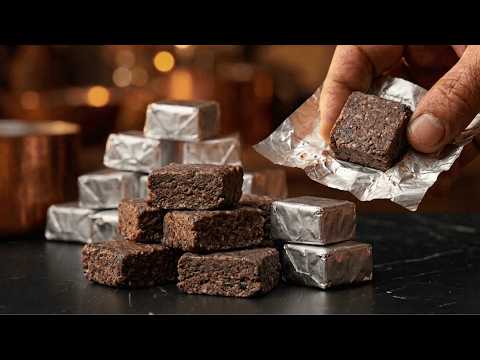
Empty Shelves Are Coming. This 5-Year Pemmican Block Will Feed Your Family.
A nutrient-dense, long‑lasting survival food made from lean beef heart and rendered pork fat. This homemade pemmican provides about 1,500 calories per serving and can be stored for years without refrigeration, making it ideal for off‑grid living, emergency stockpiles, or wilderness expeditions.
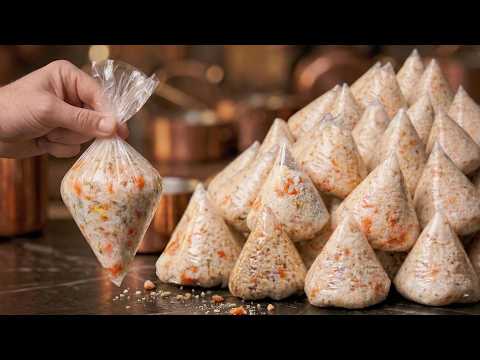
The Forgotten 1930s Survival Pyramids. One Prep, 2 Years of Food.
A nutrient-dense, long‑term storage soup made from chicken feet, bones, rice and dehydrated vegetables. Simmered for five hours to extract collagen and minerals, then combined with dried veg and rice, portioned into freezer‑friendly pyramids that can last up to two years.

They Made This From Pumpkin in 1862. No Fridge. No Chemicals. Still Edible After 5 Years.
A long‑term, shelf‑stable biscuit made from a single pumpkin, perfect for emergency rations. No preservatives, no chemicals – just pumpkin, a little flour and water. The biscuits can last up to five years in a sealed jar and 25 years vacuum‑sealed.
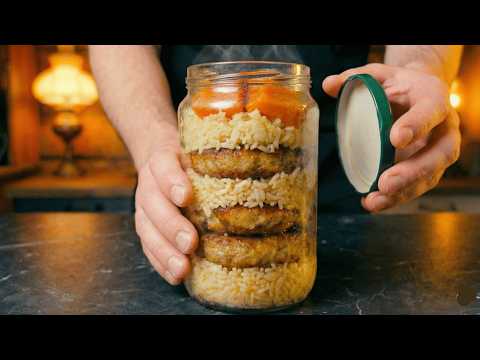
Poor Man's Steak in a Jar Lasts 2 Years Without a Fridge. Testing a 1930s Amish Recipe.
A historic Amish‑style canned meat and rice dish using cheap pork loin, hand‑chopped for texture, layered with brown rice and carrots, then sealed in jars for long‑term storage without refrigeration. The recipe includes safety tips to prevent botulism and a traditional vinegar boost.
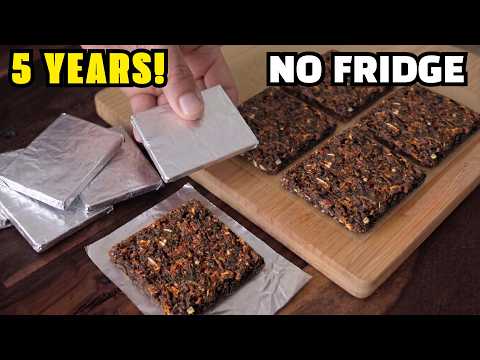
When Power Fails, This Dense SURVIVAL BLOCK Will Save Your Family. Lasts 5 Years.
A nutrient‑dense, shelf‑stable protein block made from cured duck hearts, pork trotter broth, and dehydrated vegetables. Designed for off‑grid survival, this recipe provides 350‑400 calories and 30 g of complete protein per bar and can be stored for up to five years without refrigeration.
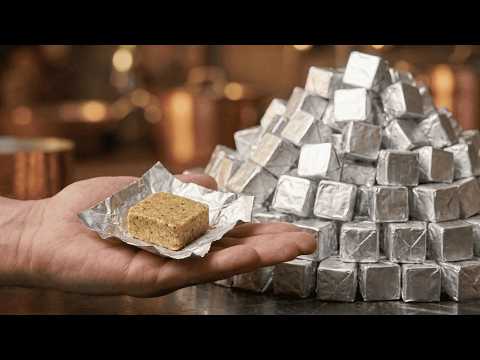
The 2-Year Meat Cube: A Forgotten Survival Secret for the Upcoming Crisis.
A nutrient‑dense, long‑term survival soup made from pork tenderloin, onions, carrots and butter, blended into a smooth paste, frozen into individual rations and ready to rehydrate with boiling water in seconds. Perfect for emergency preparedness and outdoor adventures.
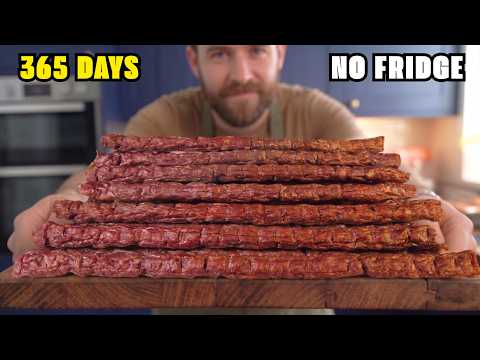
The 1930s Trick That Stores Chicken for 365 Days
A step‑by‑step guide to turning a whole chicken into high‑protein, shelf‑stable jerky sticks and emergency cubes that can last a year without refrigeration. Using curing salt, lemon, paprika, dill and a vacuum sealer, this survival snack is perfect for bug‑out bags, long trips, or any pantry that needs a reliable protein source.

This Is the 1867 German Ration That Never Spoiled. I Made It at Home.
A historic 1867 German soup recipe designed for long‑term survival. Orange lentils are cooked, dehydrated, and ground into a fine flour that is combined with rendered pork fat, smoked bacon, onions, carrot and a preservative spice blend. The mixture is pressed into silicone ice‑cube trays, wrapped and vacuum‑sealed for up to five years of storage. When needed, simply drop a cube into boiling water for an instant, hearty soup.
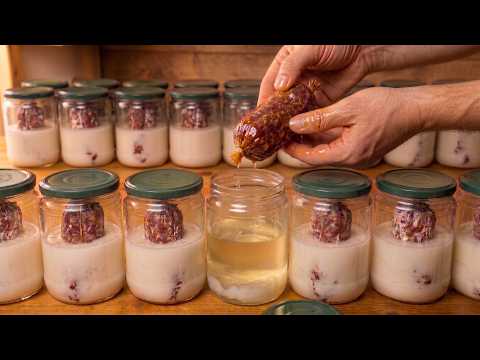
When Shelves Go Empty, This 1930s Sausage Jar Will Feed Your Family. 2-Year Shelf Life.
A nutrient‑dense, shelf‑stable sausage made from beef osso buco, beef tripe, bone marrow and spices, sealed in rendered beef tallow and processed in a water bath. The method follows 1930s survival techniques and yields a protein reserve that can last up to two years without refrigeration.
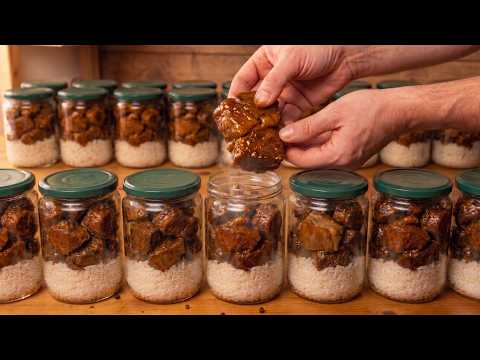
When Shelves Go Empty, This Meat Jar Will Feed Your Family. 2-Year Shelf Life.
A 1930s‑style survival recipe that turns bone‑in beef short ribs into a shelf‑stable, nutrient‑dense jar of meat, broth, and rice. Using a dry rub, a quick sear, and a long low‑heat oven process, the meat is preserved for up to two years without refrigeration.

When Shelves Go Empty, These Soup Cubes Will Save You. 2 Years of Food for Pennies.
A cold, protein‑rich beet soup from the Great Depression era that requires no cooking after the initial boiling steps. The soup is frozen into solid blocks for long‑term storage and can be served straight from the freezer as a refreshing, tangy slush. Perfect for emergency kits or anyone who wants a nostalgic, shelf‑stable meal.

The Forgotten US Army Chocolate Ration I Made at Home
A recreation of the 1937 US Army D‑ration bar using dark chocolate, oat flour, cane sugar, milk powder, vanilla and coffee. The bars are ultra‑caloric, non‑perishable and can be stored for years without refrigeration. The recipe also includes small coffee‑ball portions that dissolve into a high‑energy mocha drink in just one minute.

If The Stores Were Empty Tomorrow, This Soup Would Be Worth Its Weight in GOLD. 5-YEAR SURVIVAL SOUP
A hearty, budget‑friendly pork goulash designed for long‑term freezer storage. Inspired by 1930s American survival cooking, this recipe uses simple ingredients, whole‑wheat flour for gentle thickening, and a double‑wrap packaging method that keeps the dish fresh for up to two years.
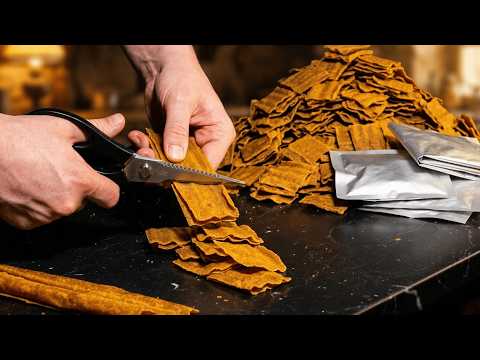
When Shelves Go Empty, This Beef Cube Will Feed Your Family. 2-Year Shelf Life.
A shelf‑stable, high‑protein beef broth concentrate made with just beef shank, onion, carrot, butter and garlic. Originating from Depression‑era America, this dense paste dries into cubes that can be stored for up to two years without refrigeration and re‑hydrated into a nutritious soup in 60 seconds.
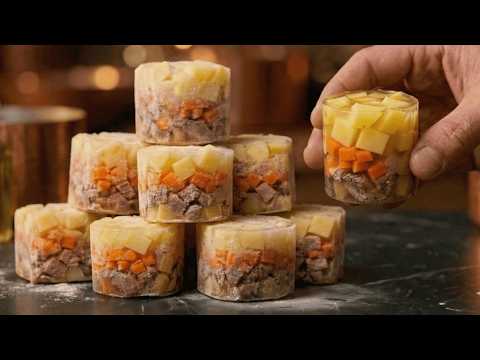
When the shelves go bare, this 2-YEAR SURVIVAL SOUP will be your ultimate currency.
A nutrient‑dense, collagen‑rich beef shank soup designed for emergency stockpiling. The recipe uses inexpensive beef shank, potatoes, carrots, and onion, layered in straight‑walled glasses, frozen into solid blocks and sealed in foil for up to two years. When needed, simply drop a block into boiling water for a hot, hearty meal in minutes.

When Shelves Go Empty, This Dry Soup Will Feed Your Family. 5-Year Shelf Life.
A 1,000‑year‑old recipe that turns vegetables, yogurt, and semolina into a bone‑dry, shelf‑stable soup concentrate that can be stored for years without refrigeration. The guide walks you through chopping, simmering, pureeing, mixing, drying, and storing the granules, plus two quick rehydration methods for emergency meals.
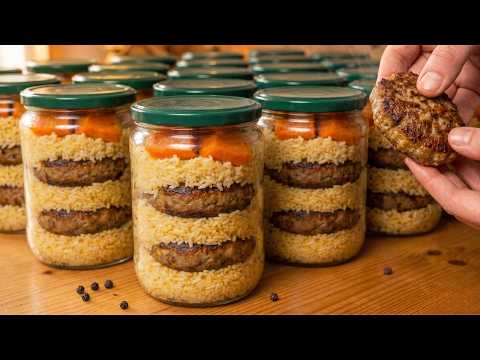
Poor Man's Steak & Rice: 1930s Survival Meal That Lasts 2 Years
A Depression‑era, off‑grid meal that combines hand‑chopped pork patties, brown rice and carrots, all sealed in sterilized jars for long‑term storage. No refrigerator or electricity required – perfect for emergency rations.
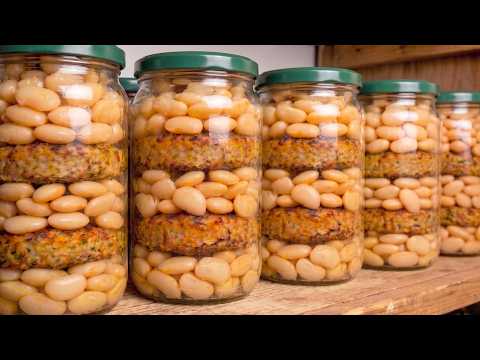
WHEN SHELVES GO EMPTY: This Meat Patties & Beans Jar will feed your family. 5-YEAR SHELF LIFE!
A historic 1930s Amish survival recipe that turns pork belly, dried onion‑garlic paste, beans and a few pantry staples into jarred meat patties that can be stored for up to five years without refrigeration. The process includes a dry rub cure, low‑heat drying, coarse grinding, searing, and a pressure‑free oven braise that creates a safe, flavorful, long‑term food supply.