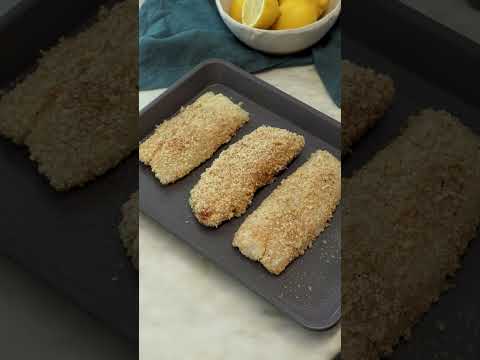
Crispy Skin Fish with Lemon Caper Butter Sauce
Crispy Skin Fish with Lemon Caper Butter Sauce is a intermediate French recipe that serves 1. 430 calories per serving.
Prep: 20 min | Cook: 15 min | Total: 45 min
Cost: $10.40 total, $10.40 per serving
Ingredients
- 1 piece (~6 oz, 2 cm thick) Mutton snapper fillet (skin-on) (Fresh, skin-on, bloodline bright red)
- 1 tsp Kosher salt (Generous seasoning, especially on skin side)
- 2 tbsp Clarified butter (ghee) (For searing; high smoke point)
- 3 tbsp Unsalted butter (For finishing sauce and basting)
- 1 whole Lemon (Zest, juice, and segments used)
- 1 tbsp Capers (in brine) (Plus a splash of brine)
- 1 tbsp Fresh parsley (Finely chopped, for garnish)
- to taste Freshly ground black pepper (For sauce)
- as needed Paper towels (For drying fish)
Instructions
Dry and season the fish
Pat the fish fillet completely dry on all sides with paper towels. Ensure the skin is especially dry for maximum crispiness. Generously season both sides with kosher salt, using a bit more on the skin side.
Time: PT3M
Heat pan and add clarified butter
Heat a skillet over medium-high heat. Add clarified butter and allow it to get hot but not smoking (about 300°F/150°C).
Time: PT2M
Temperature: 150°C
Sear fish skin-side down
Place the fish fillet skin-side down in the hot pan. Immediately press gently with a spatula for the first 10-20 seconds to prevent the skin from curling. Optionally, use a weight (like another pan) for even contact.
Time: PT2M
Cook skin side until crisp
Continue cooking skin-side down, occasionally moving the fillet gently for even browning. Cook until the skin is golden and crisp, about 4-5 minutes.
Time: PT5M
Prepare lemon segments and zest
While the fish cooks, zest the lemon and set aside. Cut off both ends of the lemon, slice away the peel and white pith, then cut between the membranes to release segments. Remove any seeds. Squeeze leftover juice from the membrane into a bowl.
Time: PT5M
Flip fish and baste
Lower the heat to medium. Flip the fish gently with a spatula. Baste the top with hot butter from the pan for even cooking and flavor. Cook for another 2-3 minutes.
Time: PT3M
Add whole butter and make sauce
Remove excess clarified butter from the pan. Add unsalted butter and let it melt, cooling the pan slightly. Add capers and a splash of their brine, lemon juice, and lemon zest. Stir and baste the fish with the sauce.
Time: PT3M
Finish sauce and garnish
Add lemon segments, a bit more butter if desired, a pinch of salt, cracked black pepper, and chopped parsley. Warm through, then remove the fish from the pan.
Time: PT2M
Plate and serve
Place fish on a plate, skin side up or down as preferred. Spoon sauce and lemon segments around the fish. Garnish with extra parsley and lemon zest. Serve immediately.
Time: PT2M
Cleanup
Wash pan, spatula, knife, cutting board, bowls, and utensils. Wipe down counters and stove. Dispose of used paper towels.
Time: PT10M
Nutrition Facts
- Calories
- 430
- Protein
- 32g
- Carbohydrates
- 5g
- Fat
- 31g
- Fiber
- 1g
Dietary info: Gluten-Free, Low-Carb, low-carb, keto-friendly, high-protein
Allergens: Fish, Dairy
Ingredient Substitutions
- Instead of Mutton snapper fillet (skin-on): Red snapper, Sea bass, Salmon (skin-on), Arctic char
- Instead of Kosher salt: Sea salt
- Instead of Clarified butter (ghee): Ghee, High-heat neutral oil (grapeseed, canola)
- Instead of Unsalted butter: European-style butter
- Instead of Lemon: Meyer lemon, Lime (for a different flavor)
- Instead of Capers (in brine): Chopped green olives
- Instead of Fresh parsley: Chives, Dill
- Instead of Freshly ground black pepper: White pepper
- Instead of Paper towels: Clean kitchen towel
Equipment Needed
- Nonstick or stainless steel skillet (10-12 inch)
- Fish spatula
- Tongs (optional)
- Microplane or fine grater (optional)
- Sharp knife
- Cutting board
- Small bowl (optional)
- Instant-read thermometer (optional)
- Spoon (for basting)
Critical Steps — Do Not Skip
- Drying the fish thoroughly before cooking.
- Searing the skin side in clarified butter at the correct temperature.
- Pressing the fish down to prevent curling.
- Not overcooking the fish—use a thermometer if unsure.
- Finishing the sauce with whole butter, capers, and lemon at the end.
Chef Tips from the Video
- Always start with the highest quality, freshest fish available.
- Drying the skin thoroughly is the secret to crispiness.
- Segmenting the lemon adds a professional touch and avoids bitterness.
- Baste the fish frequently for even cooking and flavor.
- Let the fish rest for a minute after cooking for best texture.
Troubleshooting
Fish skin sticks to the pan.
Ensure the pan and butter are hot before adding fish, and do not move the fish until the skin releases naturally.
Fish is overcooked and dry.
Use an instant-read thermometer and remove fish from heat at 115°F (46°C); it will continue to cook off heat.
Butter burns during cooking.
Use clarified butter for searing; add whole butter only at the end for the sauce.
Sauce splits or looks greasy.
Add cold butter off the heat and swirl to emulsify; do not overheat after adding butter.
Storage
Refrigerator: Store leftovers in an airtight container for up to 1 day. Reheat gently to avoid drying out.
Freezer: Not recommended; fish and sauce texture will suffer.
Room temperature: Do not leave cooked fish at room temperature for more than 1 hour.
Make-Ahead Tips
- Lemon segments and zest can be prepared up to 1 day ahead and refrigerated.
- Clarified butter can be made in advance or purchased.
Frequently Asked Questions
What is the cultural significance and history of Crispy Skin Fish with Lemon Caper Butter Sauce in French cuisine?
Crispy Skin Fish with Lemon Caper Butter Sauce reflects the French tradition of highlighting fresh, high‑quality seafood with simple yet luxurious sauces. The technique of pan‑searing fish to achieve a crisp skin dates back to coastal bistro cooking in regions like Provence, where lemon and capers were abundant. Over time, the dish has become a staple in French fine‑dining menus, symbolizing elegance and respect for seasonal ingredients.
What are the traditional regional variations of Crispy Skin Fish with Lemon Caper Butter Sauce in French coastal regions such as Provence and Brittany?
In Provence, the sauce often incorporates herbs like thyme and rosemary, and may use local olive oil instead of clarified butter. In Brittany, the dish might feature butter flavored with local apple cider and replace capers with shallots or small white onions. Both variations keep the crisp skin technique but adjust aromatics to reflect regional produce.
What is the authentic traditional way Crispy Skin Fish with Lemon Caper Butter Sauce is served in a French bistro?
Traditionally, the fish is plated skin‑side up on a warm plate, drizzled with the lemon‑caper butter sauce, and garnished with fresh parsley and lemon wedges. It is commonly accompanied by a simple green salad, steamed haricots verts, or a petite portion of pommes vapeur (steamed potatoes). The presentation emphasizes the glossy sauce and the golden, crackling skin.
On what occasions or celebrations is Crispy Skin Fish with Lemon Caper Butter Sauce traditionally associated in French culture?
Crispy Skin Fish with Lemon Caper Butter Sauce is often served at summer gatherings, such as fêtes de la mer (seafood festivals) and family picnics along the French Riviera. It also appears on holiday menus for Bastille Day and New Year's Eve when chefs want a light yet refined seafood course. The dish’s bright flavors make it a favorite for celebratory brunches and elegant dinner parties.
How does Crispy Skin Fish with Lemon Caper Butter Sauce fit into the broader French cuisine tradition?
The dish exemplifies two core French culinary principles: respecting the natural flavor of premium ingredients and using butter‑based sauces to add richness. It aligns with the French “mise en place” mindset, where each component—fish, clarified butter, lemon, capers—is prepared precisely to create balance. Its technique of high‑heat searing followed by a beurre blanc‑style sauce is a hallmark of classic French cooking.
What are the authentic traditional ingredients for Crispy Skin Fish with Lemon Caper Butter Sauce versus acceptable substitutes?
Authentic ingredients include a firm white fish like mutton snapper or sea bass, kosher salt, clarified butter (ghee), unsalted butter, fresh lemon, capers, and flat‑leaf parsley. Acceptable substitutes are using clarified butter made from regular butter, swapping snapper for cod or halibut, and using bottled lemon juice only if fresh lemons are unavailable, though flavor will be less vibrant.
What other French dishes pair well with Crispy Skin Fish with Lemon Caper Butter Sauce?
A classic pairing is a light salade niçoise, which complements the citrus notes of the sauce. Additionally, a side of ratatouille or a buttery pommes purée provides a mellow contrast. For wine, a crisp Sancerre or a dry white from the Loire Valley enhances the lemon‑caper brightness.
What makes Crispy Skin Fish with Lemon Caper Butter Sauce special or unique in French cuisine?
The dish stands out because it combines the textural contrast of a perfectly crisp skin with a velvety, tangy butter sauce—a balance rarely achieved with delicate fish. Using clarified butter allows the fish to sear at higher temperatures without burning, preserving the buttery flavor while delivering a clean, golden crust. The inclusion of capers adds a briny punch that is quintessentially Provençal.
What are the most common mistakes to avoid when making Crispy Skin Fish with Lemon Caper Butter Sauce at home?
Common errors include patting the fish dry insufficiently, which prevents a crisp skin, and overcrowding the pan, which lowers the temperature and steams the fish. Using regular butter for the initial sear can cause burning; clarified butter is essential. Finally, adding the lemon juice too early can cause the butter to separate, so finish the sauce off the heat.
Why does this Crispy Skin Fish with Lemon Caper Butter Sauce recipe use clarified butter (ghee) for searing instead of regular butter?
Clarified butter has a higher smoke point (around 450°F/232°C) than regular butter, allowing the fish skin to achieve a deep golden crisp without burning. It also removes milk solids that can brown quickly, ensuring a clean, even sear. The pure butterfat adds a rich, nutty flavor that enhances the sauce later when unsalted butter is whisked in.
What does the YouTube channel Unknown specialize in?
The YouTube channel Unknown focuses on cooking tutorials that highlight classic French techniques and restaurant‑style plating for home cooks. Its videos often break down complex methods, such as proper searing and sauce emulsification, into step‑by‑step instructions.
What is the cooking philosophy and style of the YouTube channel Unknown when presenting French recipes like Crispy Skin Fish with Lemon Caper Butter Sauce?
The channel Unknown emphasizes simplicity, ingredient integrity, and precise temperature control, encouraging viewers to master foundational French skills before adding personal twists. Its style combines close‑up shots of technique with clear narration, making sophisticated French dishes approachable for intermediate home chefs.
Last updated: August 20, 2026