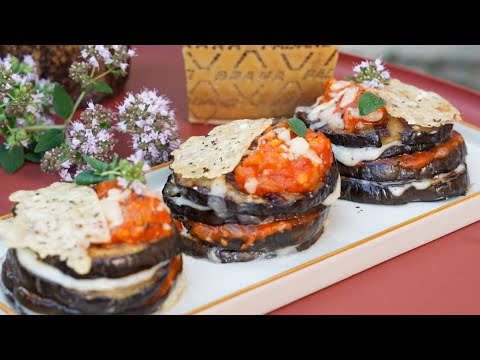
The Five French Mother Sauces (with Variations): Béchamel, Velouté, Espagnole, Hollandaise, and Sauce Tomat
The Five French Mother Sauces (with Variations): Béchamel, Velouté, Espagnole, Hollandaise, and Sauce Tomat is a intermediate French recipe that serves 10. 220 calories per serving. Recipe by Fallow on YouTube.
Prep: 1 hr 10 min | Cook: 45 min | Total: 2 hrs 10 min
Cost: $176.67 total, $17.67 per serving
Ingredients
- 300 g Unsalted butter (Divided for various sauces and roux)
- 200 g All-purpose flour (Divided for various sauces and roux)
- 1 L Whole milk (For béchamel)
- 3 medium White onion (Divided for béchamel, espagnole, and sauce tomat)
- 4 whole Cloves (For studding onion in béchamel)
- 1/4 tsp Nutmeg (Freshly grated, for béchamel variation)
- 100 g Gruyère cheese (For Mornay sauce variation)
- 1 L Chicken stock (White chicken stock for velouté)
- 1 L Beef stock (For espagnole)
- 100 g Bacon (For espagnole)
- 1 medium Carrot (For espagnole)
- 1 stalk Celery (For espagnole)
- 6 large Egg yolks (For hollandaise)
- 3 tbsp White wine vinegar (For hollandaise and béarnaise)
- 100 ml Water (For hollandaise)
- 250 g Clarified butter (For hollandaise and béarnaise)
- 10 g Fresh tarragon (For béarnaise and herb velouté)
- 10 g Parsley (For herb velouté)
- 50 g Spinach (For herb velouté)
- 2 tbsp Dijon mustard (For mustard velouté and herb velouté)
- 1 L Canned chopped tomatoes (For sauce tomat and romesco)
- 100 ml Olive oil (For sauce tomat and romesco)
- 3 cloves Garlic (For sauce tomat and romesco)
- 2 large Roasted red peppers (For romesco variation)
- 50 g Toasted almonds (For romesco)
- to taste Salt (For seasoning all sauces)
- to taste Black pepper (For seasoning all sauces)
- as needed White wine vinegar or lemon juice (For finishing sauces)
Instructions
Prepare Mise en Place
Gather all ingredients, measure out butter, flour, milk, stocks, and prep vegetables (onions, carrots, celery, garlic, peppers, herbs).
Time: PT15M
Make Béchamel Sauce
Warm 1L milk in a saucepan with 1 peeled onion studded with 4 cloves. In another pan, melt 60g butter over medium heat until lightly nutty. Add 60g flour, reduce heat, and cook, stirring, until it looks like wet sand (about 3 minutes). Gradually whisk in the warm milk, a little at a time, whisking constantly to prevent lumps. Simmer until thick and glossy (about 5 minutes). Remove onion and cloves. Season with salt, pepper, and a pinch of nutmeg if desired.
Time: PT15M
Temperature: Medium heat
Variation: Soubise Sauce
Sweat 1 chopped onion in butter (no color), blend with béchamel, then strain through a fine sieve. Return to pan and keep warm.
Time: PT7M
Temperature: Low heat
Variation: Mornay Sauce
Stir 100g grated Gruyère cheese into hot béchamel until melted and smooth.
Time: PT2M
Temperature: Low heat
Make Velouté Sauce
In a clean saucepan, melt 60g butter, add 60g flour, and cook gently until pale and sandy (about 3 minutes). Gradually whisk in 1L hot white chicken stock, stirring constantly. Simmer until thickened and velvety (about 7 minutes). Season with salt and pepper.
Time: PT12M
Temperature: Medium heat
Variation: Herb Velouté
Blanch 50g spinach, 10g parsley, and 10g tarragon in boiling water for 30 seconds, then shock in ice water. Squeeze dry, blend with velouté, and add 1 tbsp Dijon mustard. Blend until bright green and smooth.
Time: PT6M
Temperature: Boiling water
Make Espagnole Sauce
In a saucepan, render 100g diced bacon over medium heat. Add 1/2 chopped onion, 1 diced carrot, and 1 diced celery stalk. Sweat until softened and lightly colored (about 7 minutes). Add 50g butter and 45g flour, cook to form a brown roux (about 3 minutes). Gradually add 1L hot beef stock, scraping up fond. Simmer gently, stirring often, until thickened and glossy (about 15 minutes). Season with salt and pepper.
Time: PT25M
Temperature: Medium heat
Strain and Finish Espagnole
Strain sauce through a fine mesh sieve, pressing to extract maximum flavor. Adjust seasoning with salt, pepper, and a splash of vinegar or citrus for brightness.
Time: PT3M
Make Hollandaise Sauce
Set up a bain-marie (heatproof bowl over simmering water). Whisk 6 egg yolks with 3 tbsp white wine vinegar and 100ml water until frothy. Continue whisking over gentle heat until thick and creamy (sabayon stage, about 5 minutes, 74°C). Remove from heat, slowly whisk in 250g melted (clarified) butter until emulsified. Season with salt and lemon juice.
Time: PT10M
Temperature: Simmering water (74°C)
Variation: Béarnaise Sauce
Add 10g chopped fresh tarragon and 1 finely diced shallot to hollandaise. Optionally, add a splash of white wine vinegar. Serve with steak.
Time: PT2M
Make Sauce Tomat
Sweat 1 chopped white onion in 2 tbsp olive oil over low heat until translucent (about 7 minutes). Add 1 minced garlic clove, cook 1 minute. Add 1L canned chopped tomatoes, simmer gently, stirring occasionally, until thickened and reduced (about 15 minutes). Season with salt and pepper.
Time: PT23M
Temperature: Low to medium heat
Variation: Romesco Sauce
Roast 2 red peppers, peel and deseed. Blend with 50g toasted almonds, 1 garlic clove, 2 tbsp olive oil, a splash of vinegar, and 250ml cooled tomato sauce until smooth but slightly textured.
Time: PT10M
Cleanup
Wash all saucepans, bowls, blender, sieve, knives, and utensils used. Wipe down work surfaces and stovetop.
Time: PT15M
Nutrition Facts
- Calories
- 220
- Protein
- 3g
- Carbohydrates
- 7g
- Fat
- 19g
- Fiber
- 1g
Dietary info: Vegetarian (except espagnole and bacon-containing variations), Gluten-free possible with substitutions, Nut-free possible (omit romesco), low-carb, keto-friendly, low-calorie
Allergens: Milk, Eggs, Wheat, Tree nuts (almonds, in romesco variation)
Ingredient Substitutions
- Instead of Unsalted butter: Plant-based butter (for dairy-free)
- Instead of All-purpose flour: Gluten-free flour blend
- Instead of Whole milk: Oat milk, Soy milk
- Instead of White onion: Yellow onion, Shallots
- Instead of Gruyère cheese: Cheddar, Parmesan
- Instead of Chicken stock: Vegetable stock, Fish stock
- Instead of Beef stock: Veal stock
- Instead of Bacon: Pancetta, Omit for vegetarian
- Instead of White wine vinegar: Lemon juice
- Instead of Clarified butter: Melted unsalted butter
- Instead of Fresh tarragon: Dried tarragon, Parsley
- Instead of Dijon mustard: Whole grain mustard
- Instead of Canned chopped tomatoes: Fresh tomatoes, peeled and chopped
- Instead of Toasted almonds: Hazelnuts
Equipment Needed
- Saucepan (3-4)
- Whisk
- Wooden spoon
- Fine mesh sieve
- High-power blender (optional)
- Mixing bowls
- Cutting board
- Chef's knife
- Measuring cups and spoons
- Bain-marie (double boiler setup)
Critical Steps — Do Not Skip
- Always use warm milk or stock when making béchamel or velouté to prevent lumps.
- Whisk constantly when adding liquid to roux.
- Do not overheat egg yolks in hollandaise or they will scramble.
- Strain espagnole for a smooth, glossy finish.
- Reduce tomato sauce to concentrate flavor.
Chef Tips from the Video
- Taste and adjust seasoning at every stage.
- Use high-quality stock for the best flavor.
- Strain sauces for a restaurant-quality texture.
- Use clarified butter for a more stable hollandaise.
- Cool tomato sauce before blending for romesco.
Troubleshooting
Béchamel or velouté is lumpy.
Use warm liquid and add gradually while whisking constantly. Strain sauce if needed.
Hollandaise splits or curdles.
Add a splash of cold water and whisk vigorously to bring it back together. Avoid overheating.
Espagnole tastes floury.
Cook roux thoroughly before adding stock and simmer sauce longer.
Tomato sauce is watery.
Simmer longer to reduce and concentrate flavors.
Sauce is too thick.
Thin with a little warm milk, stock, or water as appropriate.
Storage
Refrigerator: Store sauces in airtight containers for up to 3 days.
Freezer: Freeze béchamel, velouté, espagnole, and sauce tomat for up to 1 month. Hollandaise does not freeze well.
Room temperature: Do not store at room temperature; refrigerate promptly.
Make-Ahead Tips
- Béchamel, velouté, espagnole, and sauce tomat can be made ahead and reheated gently.
- Hollandaise and béarnaise are best made fresh, but can be kept warm for up to 1 hour in a bain-marie.
Frequently Asked Questions
What is the cultural significance and history of The Five French Mother Sauces (with Variations): Béchamel, Velouté, Espagnole, Hollandaise, and Sauce Tomat in French cuisine?
The Five French Mother Sauces are the foundation of classic French culinary technique, codified in the 19th century by chefs like Auguste Escoffier. They serve as base sauces from which countless derivative sauces are created, embodying the French emphasis on precision and hierarchy in cooking. Mastery of these sauces has long been a rite of passage for French chefs and culinary students.
What are the traditional regional variations of The Five French Mother Sauces (with Variations): Béchamel, Velouté, Espagnole, Hollandaise, and Sauce Tomat across different areas of French cuisine?
In Normandy, béchamel may include a hint of nutmeg and be used for creamy fish gratins, while in Lyon, velouté often incorporates local poultry stocks. Espagnole in the south of France can feature tomato purée and red wine for richer braises. Hollandaise in Provence is sometimes brightened with fresh herbs, and sauce tomat in the Riviera may include garlic and olive oil for a Mediterranean twist.
What is the authentic traditional way The Five French Mother Sauces (with Variations): Béchamel, Velouté, Espagnole, Hollandaise, and Sauce Tomat are served in French regional cuisine?
Traditionally, béchamel is poured over lasagna or used as a base for soufflés, velouté is served with poached poultry or fish, and espagnole underpins classic beef stews. Hollandaise is famously paired with asparagus or eggs Benedict in upscale brunches, while sauce tomat accompanies grilled meats and ratatouille in southern France. Each sauce is presented hot, smooth, and glossy, reflecting its role as a finishing element.
What occasions or celebrations is The Five French Mother Sauces (with Variations): Béchamel, Velouté, Espagnole, Hollandaise, and Sauce Tomat traditionally associated with in French culture?
These mother sauces appear at formal French banquets, holiday feasts such as Noël (Christmas) and Réveillon, and at culinary competitions where chefs demonstrate classic technique. Hollandaise, for example, is a staple at Easter brunches with asparagus, while béchamel is common in family gatherings featuring gratin dishes.
How does The Five French Mother Sauces (with Variations): Béchamel, Velouté, Espagnole, Hollandaise, and Sauce Tomat fit into the broader French cuisine tradition?
They constitute the backbone of French sauce theory, allowing chefs to create a vast network of secondary sauces (sauces dérivées). This hierarchical system reflects the French culinary philosophy of building complexity from simple, well‑executed bases, and it influences menu planning in both classic bistros and modern gastronomy.
What are the authentic traditional ingredients for The Five French Mother Sauces (with Variations): Béchamel, Velouté, Espagnole, Hollandaise, and Sauce Tomat versus acceptable modern substitutes?
Traditional ingredients include unsalted butter, all‑purpose flour, whole milk for béchamel; a white onion, carrot, celery mirepoix, and a light stock for velouté; brown stock, tomato purée, and a brown roux for espagnole; clarified butter, egg yolks, and lemon juice for hollandaise; and ripe tomatoes, garlic, and olive oil for sauce tomat. Modern cooks may replace whole milk with plant‑based milks in béchamel, use gluten‑free flour for the roux, or substitute clarified butter with a high‑quality vegan butter in hollandaise, while preserving the flavor profile.
What other French dishes pair well with The Five French Mother Sauces (with Variations): Béchamel, Velouté, Espagnole, Hollandaise, and Sauce Tomat?
Béchamel complements classic French gratins like gratin dauphinois and croque‑monsieur. Velouté enhances poached fish such as sole meunière and poultry dishes like poulet à la crème. Espagnole is ideal for braised beef (boeuf bourguignon) and steak frites. Hollandaise shines over asparagus, eggs Benedict, and poached salmon, while sauce tomat pairs beautifully with grilled provencal vegetables and ratatouille.
What are the most common mistakes to avoid when making The Five French Mother Sauces (with Variations): Béchamel, Velouté, Espagnole, Hollandaise, and Sauce Tomat at home?
Common errors include overheating the roux, which can cause a burnt flavor in béchamel and espagnole, and failing to whisk continuously, leading to lumps. For hollandaise, the temperature must stay below 60 °C to prevent curdling, and the egg yolks should be tempered properly. Over‑reduction of sauce tomat can make it overly thick and lose its bright acidity.
Why does this The Five French Mother Sauces (with Variations): Béchamel recipe use a butter‑flour roux technique instead of adding cream directly to the milk?
The butter‑flour roux creates a stable thickening base that evenly distributes starch granules, preventing a grainy texture that can occur when cream is added directly. This method also allows the sauce to achieve the glossy, velvety mouthfeel characteristic of classic French béchamel, while giving the cook better control over the final consistency.
What does the YouTube channel Fallow specialize in, and how does its cooking philosophy relate to The Five French Mother Sauces (with Variations): Béchamel, Velouté, Espagnole, Hollandaise, and Sauce Tomat?
The YouTube channel Fallow specializes in in‑depth culinary technique videos that break down classic recipes for home cooks, often focusing on professional kitchen standards. Its philosophy emphasizes mastering foundational skills—like the French mother sauces—before experimenting with modern variations, encouraging viewers to build confidence through precise, step‑by‑step instruction.
Last updated: August 20, 2026