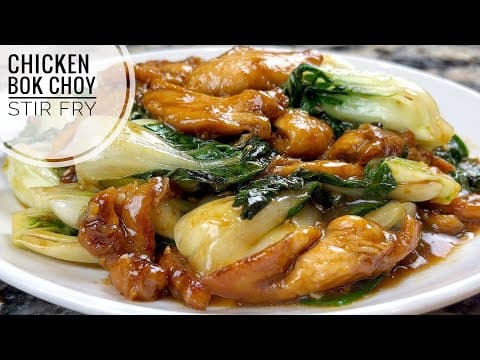
Chicken and Bok Choy Stir Fry is a classic quick‑cook dish that balances juicy, velvety chicken with the bright crunch of bok choy. The dish shines when the chicken stays tender through a brief marinating trick, while the bok choy retains its snap, and the sauce clings to every bite without turning soggy.
This guide pulls together eight real recipes extracted from YouTube creators—including Cook! Stacey Cook, Souped Up Recipes, Olivia Yi, Chef Jack Ovens, TIFFYCOOKS, Takes Two Eggs, Michael Tchao, and MyHealthyDish—to show exactly how each chef tackles the same core ingredients. By laying the data side‑by‑side, you’ll see which methods truly make a difference and which are optional flourishes.
Variations and Styles of Chicken and Bok Choy Stir Fry
Even with a shared ingredient list, the eight creators produce distinct styles. Cook! Stacey Cook emphasizes a classic Chinese “velveting” step, using baking soda and cornstarch to raise the meat’s pH and lock in moisture. Souped Up Recipes skips the chicken entirely, focusing on a 5‑minute bok choy‑mushroom side that highlights umami from oyster sauce and a splash of dark soy.
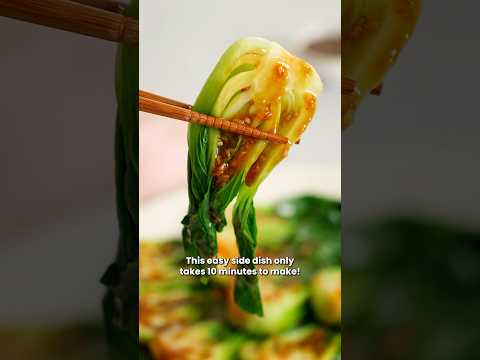
Olivia Yi turns the dish into a noodle‑rich ramen bowl, adding Japanese Kewpie mayo for a creamy finish, while Chef Jack Ovens builds a high‑protein lemon‑glazed chicken that pairs bok choy with broccoli for a balanced plate. TIFFYCOOKS, Takes Two Eggs, Michael Tchao, and MyHealthyDish each present a pure bok choy stir‑fry, differing in sauce base (vegetarian oyster vs. regular oyster), use of cornstarch slurry, and finishing touches like sesame seeds or rice vinegar.
The common thread is a quick, high‑heat wok cook that preserves the vegetable’s crunch. Where they diverge is in the sauce ratios (soy vs. dark soy, oyster quantity), the presence of aromatics (ginger, garlic, scallions), and the optional velveting step for chicken.
How 8 YouTube cooks make Chicken and Bok Choy Stir Fry
| Creator | Style | Total Time | Serves | Distinguishing Choice |
|---|---|---|---|---|
| Cook! Stacey Cook | Velvetted chicken, classic soy‑oyster sauce | 35 min | 4 | 0.25 tsp baking soda + cornstarch marinate |
| Souped Up Recipes | Vegetarian bok choy‑mushroom side | 23 min | 3 | 2 Tbsp water added to prevent burning aromatics |
| Olivia Yi | Ramen‑style broth with mayo | 15 min | 1 | Kewpie mayo blended into broth |
| Chef Jack Ovens | Lemon‑glazed high‑protein chicken | 77 min | 5 | Honey‑lemon sauce, corn flour coating |
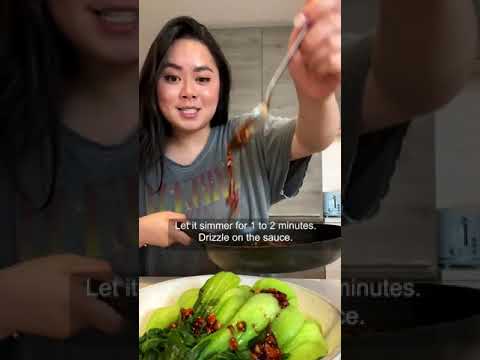
| TIFFYCOOKS | Quick 10‑minute garlic‑oyster bok choy | 21 min | 4 | Blanching 3–4 min before stir‑fry |
| Takes Two Eggs | Slurry‑thickened sauce, 1‑minute blanch | 18 min | 2 | Cornstarch slurry for glossy coating |
| Michael Tchao | Chicken‑powder seasoned bok choy | 32 min | 4 | Instant chicken powder added at end |
| MyHealthyDish | Blanched bok choy with oyster‑soy glaze | 25 min | 3 | 4 cups water for blanch, brown sugar for depth |
Each creator structures the recipe around three pillars: protein preparation, vegetable handling, and sauce composition. Cook! Stacey Cook’s method starts with a 10‑minute velveting soak (baking soda + cornstarch), then a high‑heat sear that locks in juices before the soy‑dark‑soy‑oyster blend is added. In contrast, Souped Up Recipes skips protein entirely, rinses the bok choy thoroughly, and adds a modest 2 tsp water mid‑stir to keep garlic from scorching.
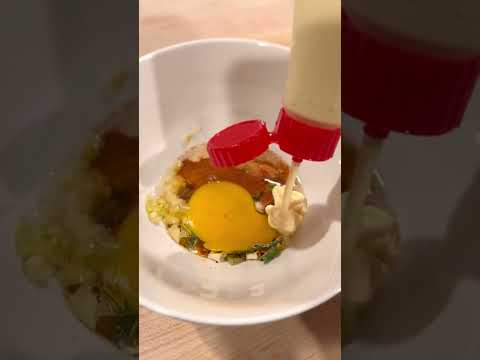
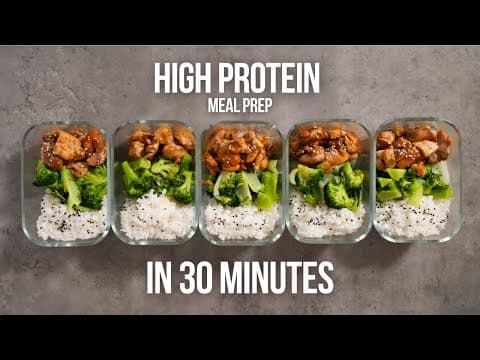
Olivia Yi’s ramen version treats the bok choy as a garnish, cooking it for just a minute in boiling broth, then finishes the soup with a tablespoon of Japanese mayo for a silky mouthfeel. Chef Jack Ovens spends the most time (over an hour) because he creates a separate lemon‑honey glaze, coats the chicken in corn flour, and serves it over broccoli and bok choy for a balanced macro profile.
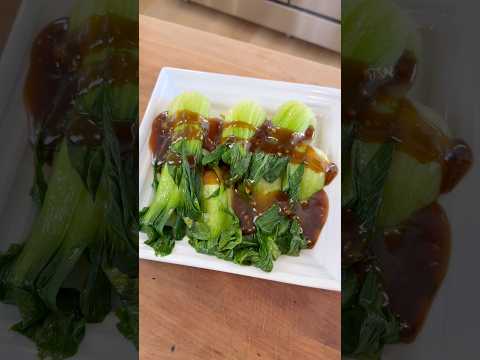
The pure‑vegetable approaches (TIFFYCOOKS, Takes Two Eggs, Michael Tchao, MyHealthyDish) differ mainly in how they achieve sauce thickness. TIFFYCOOKS relies on a brief 3‑4 minute blanch then a quick reduction of vegetarian oyster sauce. Takes Two Eggs introduces a cornstarch‑water slurry that thickens the sauce just enough to cling. Michael Tchao adds instant chicken powder at the end for umami, while MyHealthyDish uses a corn‑starch slurry plus brown sugar for a slightly sweet glaze.
Technique Deep Dive – Consensus and Disagreements
Velveting the chicken. Only Cook! Stacey Cook mentions a formal velveting step (baking soda + cornstarch, 10 minutes). The chemistry is clear: the alkaline soda raises pH, weakening muscle proteins and preventing moisture loss. All other creators either skip chicken or use a simple seasoning, indicating that velveting is optional for home cooks who accept a slightly firmer bite.
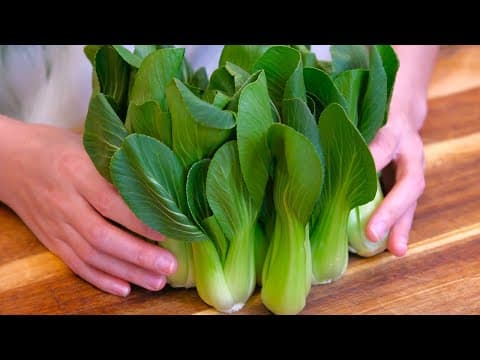
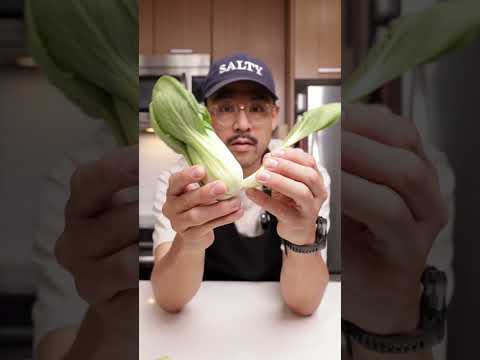
Bok choy preparation. Six of the eight recipes call for a quick blanch or soak to remove grit. Souped Up Recipes, TIFFYCOOKS, Takes Two Eggs, Michael Tchao, and MyHealthyDish explicitly state a 1‑3 minute blanch before stir‑frying. The consensus is that stems need a few seconds longer than leaves, but the exact timing varies (1 min vs. 3‑4 min). The two chicken‑focused recipes (Stacey Cook and Jack Ovens) skip blanching, relying on the high‑heat wok to quickly sear the greens.
Sauce ratios. Soy sauce appears in every recipe, but dark soy is used only by Stacey Cook (1 Tbsp) and Takes Two Eggs (1 Tbsp) to add color and depth. Oyster sauce is the backbone for most vegetable‑only dishes (2 Tbsp to 1.5 Tbsp). The sweet component ranges from 1 tsp granulated sugar (Stacey Cook) to 0.33 cup honey (Jack Ovens) to 1 pinch brown sugar (MyHealthyDish). This shows a spectrum: light‑sweet (Stacey) vs. pronounced sweet‑lemon glaze (Jack Ovens).
Heat management. All creators agree on a hot wok or high‑smoke‑point oil (vegetable, avocado, or peanut). Stacey Cook and Jack Ovens explicitly advise “high‑smoke‑point oil” to avoid burning ginger or garlic. Michael Tchao emphasizes pre‑heating the pan until it’s hot before oil, a tip echoed by TIFFYCOOKS.
Finishing touches. Sesame oil, toasted sesame seeds, and a splash of rice vinegar appear in three recipes (TIFFYCOOKS, Michael Tchao, MyHealthyDish) for a nutty finish. Red pepper flakes or chili oil are optional heat boosters in Souped Up Recipes and Takes Two Eggs. The only recipe that adds a dairy element is Olivia Yi’s mayo‑infused broth.
Frequently Asked Questions
What is the best way to keep chicken tender in a chicken and bok choy stir fry?
Using a velveting step—mixing 0.25 tsp baking soda with cornstarch and letting the chicken rest for about 10 minutes—raises the meat’s pH and creates a silkier texture, as demonstrated by Cook! Stacey Cook.
How long should bok choy be cooked to stay crisp?
Most creators blanch or stir‑fry bok choy for 1–3 minutes; stems benefit from a brief 2‑minute blanch while leaves need only 30‑60 seconds to stay crisp‑tender.
Can I substitute dark soy sauce with regular soy sauce?
Yes, but dark soy adds a richer color and deeper umami. If you omit it, increase regular soy by 1 Tbsp or add a splash of mushroom sauce for similar depth.
Is oyster sauce essential for flavor?
Oyster sauce provides the characteristic savory‑sweet backbone in five of the eight recipes. You can replace it with hoisin or a vegetarian mushroom sauce, but the flavor profile will shift slightly.
What high‑smoke‑point oil works best for this stir fry?
Avocado, peanut, or refined vegetable oil are all suitable; they tolerate the 180‑200 °C wok temperature without smoking.
How much garlic should I use for balanced flavor?
All creators use between 2‑5 cloves. For a medium‑spicy profile, 3 cloves (about 1 tsp minced) is a good baseline.
Can I add other vegetables to chicken and bok choy stir fry?
p>Absolutely. Carrots, bell peppers, or snap peas can be added; just stir‑fry them after the bok choy stems to keep all vegetables crisp.Is it okay to use frozen bok choy?
Frozen bok choy can be used, but it will release more water. Thaw, squeeze out excess moisture, and reduce the cooking time by 30 seconds to avoid sogginess.
What is the ideal sauce thickness?
A glossy coating is achieved when the sauce coats the back of a spoon; this typically occurs after 1‑2 minutes of reduction or after adding a cornstarch slurry (1 tsp cornstarch mixed with 2 Tbsp water) as seen in Takes Two Eggs and MyHealthyDish.
How do I store leftovers safely?
Cool the stir fry to room temperature within two hours, then refrigerate in an airtight container for up to three days. Reheat quickly on high heat to restore the wok‑seared texture.
Can I make this dish gluten‑free?
Yes—swap regular soy sauce for tamari and ensure the oyster sauce you choose is gluten‑free (some brands use wheat). The rest of the ingredients are naturally gluten‑free.
What side dishes pair best with chicken and bok choy stir fry?
Steamed jasmine rice, cauliflower rice, or simple fried rice absorb the sauce beautifully. For a low‑carb option, serve over quinoa or cauliflower mash.