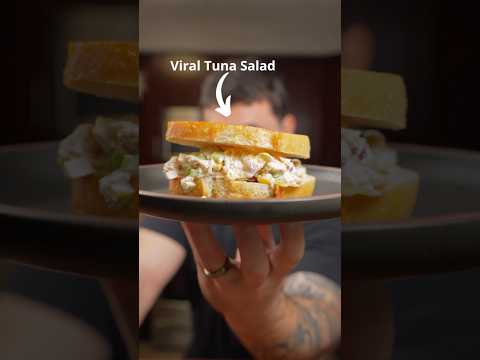
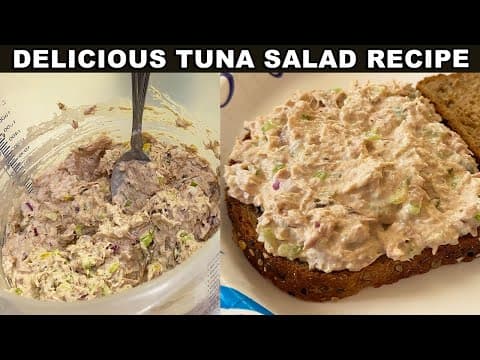
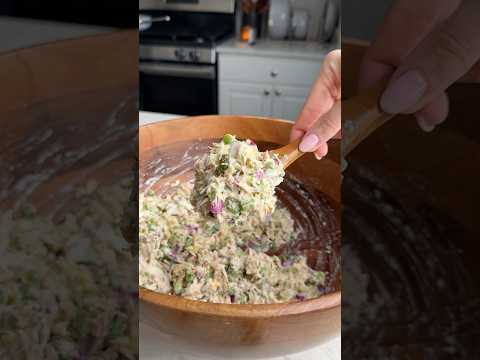
Deli‑style tuna salad is the quintessential New York lunchroom staple: a creamy, slightly tangy mixture that clings to rye or pumpernickel, yet retains enough bite to feel like a proper sandwich filling. The hallmark of a true deli version is the balance between a fine mash that spreads easily and the occasional crunchy element that mimics the hand‑tossed salads you’d find behind the counter of a Manhattan delicatessen.
This guide pulls together six real recipes extracted from YouTube cooking channels—Sip and Feast, Matthew Augusta, Casual Cooking, Ethan Chlebowski: Into the Multiverse, My Protein Pantry, and Lauren I A Bright Moment. By laying their ingredient lists, prep times, serving sizes, and chef tips side‑by‑side, we reveal the hidden decisions that turn a simple tuna salad into a signature deli experience.
Whether you’re hunting for the perfect mayo‑to‑tuna ratio, debating whether celery or onion should dominate, or curious about the role of soy sauce and relish, the data below lets you compare each creator’s method without the guesswork.
Variations and the NY Deli Texture Secret
The New York deli texture secret hinges on two opposing philosophies: a fine mash that yields a uniform, spreadable base, versus a chunkier, more rustic mix that offers bite. Sip and Feast explicitly mashes the tuna until “no large pieces remain,” aiming for that smooth spread. In contrast, Matthew Augusta keeps larger albacore chunks for a firmer mouthfeel and adds crunchy jalapeño chips. Casual Cooking sits in the middle, using a modest amount of celery and red onion for texture without overwhelming the creaminess.
Another point of contention is the mayo ratio. Sip and Feast uses a generous 1.25 cup mayo for four 5‑oz cans (≈0.31 cup per can), while Ethan Chlebowski’s adobo‑infused version leans on just 3 Tbsp (≈0.19 cup) for two cans, creating a lighter, more seasoning‑forward profile. My Protein Pantry skips mayo entirely, opting for fresh vegetables and a hint of Greek yogurt for creaminess, which pushes the dish toward a salad rather than a sandwich spread.
How 6 YouTube Cooks Make Deli‑Style Tuna Salad
Below is a quick‑look table that captures each creator’s core choices, followed by brief commentary that highlights the unique twists they bring to the classic deli staple.
| Creator (Channel) | Style / Key Twist | Total Time | Serves | Distinguishing Choice |
|---|---|---|---|---|
| Sip and Feast | Classic New York Deli, ultra‑smooth mash | 1 h 4 m | 4 | Soy sauce, sweet relish, and cracker crumbs for subtle crunch |
| Matthew Augusta | Asian‑inspired with wasabi and jalapeño chips | 25 m | 4 | Wasabi paste and toasted jalapeño chips for heat |
| Casual Cooking | Traditional with Dijon mustard optional | 25 m | 4 | Garlic and sweet pickle relish for depth |
| Ethan Chlebowski: Into the Multiverse | Adobo‑seasoned, low‑fat | 15 m | 4 | Adobo seasoning, serrano pepper, cilantro |
| My Protein Pantry | Protein‑focused veggie‑heavy | 2 h 20 m | 2 | Cucumber, red bell pepper, and optional Greek yogurt |
| Lauren I A Bright Moment | Mediterranean rice‑based salad | 1 h 20 m | 2 | Crispy rice, mint, cilantro, and avocado |
Sip and Feast builds a classic deli base with 4 cans of light or albacore tuna, 1.25 cup mayo, soy sauce, and a half‑cup each of celery and onion. Their critical steps stress thorough draining and an overnight chill to develop the “authentic deli flavor.” The addition of ¼ cup crushed Ritz or saltine crackers introduces a subtle crunch that mimics the texture of a real deli sandwich.
Matthew Augusta takes a bold turn, using only albacore tuna, ⅓ cup mayo, and a punch of wasabi paste. The inclusion of diced apple, corn, peas, and jalapeño chips creates a sweet‑savory‑spicy profile that departs from the traditional New York deli vibe but showcases how tuna salad can be a canvas for global flavors.
Casual Cooking sticks close to the classic American version: 4 cans tuna, ½ cup mayo, sweet pickle relish, and a modest 1/3 cup celery. Their chef tip to add a teaspoon of Dijon mustard offers a subtle zing without overwhelming the base, and the suggestion to serve on toasted sourdough adds a crisp contrast.
Ethan Chlebowski: Into the Multiverse trims the mayo down to 3 Tbsp for two cans, letting adobo seasoning, serrano pepper, and fresh cilantro shine. This low‑fat approach still delivers creaminess thanks to the small mayo amount and the natural moisture of the tuna.
My Protein Pantry eliminates mayo entirely, opting for a high‑volume veggie mix (cucumber, red bell pepper, celery) and a sprinkle of parsley. The optional Greek yogurt or low‑fat mayo can be stirred in at the end for a light creaminess, making the dish suitable for protein‑focused diets.
Lauren I A Bright Moment reimagines tuna salad as a Mediterranean rice bowl. The recipe uses a single can of tuna, cooked rice that’s rinsed, cooled, and crisped, and a fresh herb dressing featuring mint and cilantro. While not a sandwich spread, it demonstrates the versatility of tuna salad in a grain‑based format.
Technique Section – Consensus and Disagreements
All six creators agree on one non‑negotiable step: drain the tuna thoroughly. Whether the tuna is packed in water or oil, each recipe lists “drain the tuna” as a critical step to avoid a soggy final product.
The biggest disagreement lies in texture manipulation. Sip and Feast mashes the tuna to a fine paste, while Matthew Augusta preserves chunkier pieces and adds external crunch via jalapeño chips. Casual Cooking and Ethan Chlebowski both recommend a gentle fold to keep some texture, but Ethan’s reduced mayo makes the tuna itself the dominant mouthfeel.
When it comes to mayo ratios, the data provides clear numbers: Sip and Feast uses 0.31 cup mayo per 5‑oz can, Casual Cooking 0.125 cup per can, Matthew Augusta 0.083 cup per can, and Ethan Chlebowski 0.095 cup per can. My Protein Pantry and Lauren I A Bright Moment either skip mayo or use it only in the dressing, highlighting a trend toward lighter, protein‑centric or grain‑based variations.
Seasoning choices also diverge. Traditional deli salt and white pepper appear in Sip and Feast, while adobo seasoning and serrano pepper give Ethan’s version a Latin twist. Soy sauce (Sip and Feast) and wasabi paste (Matthew Augusta) introduce umami and heat that are not typical of a classic New York deli.
Finally, serving suggestions differ: three recipes (Sip and Feast, Casual Cooking, Matthew Augusta) envision the salad on rye or sourdough for a sandwich, whereas My Protein Pantry recommends a chilled salad bowl, and Lauren I A Bright Moment builds a rice bowl. This reflects the dish’s adaptability across meal contexts.
Frequently Asked Questions
What makes a tuna salad “deli‑style”?
Deli‑style tuna salad is characterized by a smooth, spreadable base that still retains a hint of texture, typically achieved by finely mashing the tuna and balancing it with a generous amount of mayonnaise, often flavored with subtle seasonings like celery salt or soy sauce.
How much mayonnaise should I use for a classic New York deli tuna salad?
Based on the six recipes, the classic range is roughly 0.12‑0.31 cup of mayo per 5‑oz can of tuna. Sip and Feast’s 1.25 cup for four cans (≈0.31 cup per can) sits at the high end, while Casual Cooking’s ½ cup for four cans (≈0.125 cup per can) reflects a lighter approach.
Should I mash the tuna completely or leave it chunky?
If you want a sandwich‑ready spread, mash the tuna until no large pieces remain, as Sip and Feast does. For a salad with bite, keep some chunks, like Matthew Augusta, and add crunchy toppings for contrast.
Is celery essential in tuna salad?
Celery is a traditional crunch element, featured in four of the six recipes. However, My Protein Pantry replaces celery with cucumber and red bell pepper, showing that other crisp vegetables can serve the same purpose.
Can I substitute the mayonnaise with Greek yogurt?
Yes. My Protein Pantry suggests adding a tablespoon of plain Greek yogurt for a lighter, protein‑rich creaminess. The substitution reduces calories while still providing a smooth texture.
What’s the role of soy sauce in Sip and Feast’s recipe?
Soy sauce adds a subtle umami depth that mimics the savory notes often found in deli‑prepared salads, without making the mixture overtly salty.
How long should I chill the tuna salad before serving?
Sip and Feast recommends refrigerating overnight for authentic deli flavor, while My Protein Pantry advises at least two hours. A minimum of one hour allows the flavors to meld and the texture to firm up.
Is it okay to add sweet pickles or relish?
Both Sip and Feast and Casual Cooking incorporate sweet pickle relish, which adds a gentle sweetness and helps balance the richness of the mayo.
Can I make a tuna salad without any mayonnaise?
My Protein Pantry’s recipe omits mayo entirely, relying on fresh vegetables and optional Greek yogurt for moisture. This creates a salad rather than a spread, suitable for low‑fat diets.
What’s a good way to add crunch without crackers?
Matthew Augusta uses toasted jalapeño chips, while Ethan Chlebowski suggests finely diced celery or pickles. Both provide a satisfying bite without altering the core flavor profile.
How does the rice‑based version differ from a traditional sandwich?
Lauren I A Bright Moment’s Mediterranean Crispy Rice Tuna Salad replaces bread with seasoned, crisped rice, turning the dish into a hearty grain bowl. The focus shifts from spreadability to a textured, mixed‑grain salad.
Is there a recommended serving temperature?
Deli‑style tuna salad is traditionally served cold, straight from the refrigerator. Chilling also helps maintain the spread’s firmness, especially when using higher mayo ratios.