Classic Beef Wellington
Classic Beef Wellington is a intermediate British recipe that serves 4. 650 calories per serving.
Prep: 45 min | Cook: 20 min | Total: 1 hr 10 min
Cost: $25.05 total, $6.26 per serving
Ingredients
- 500 grams Beef tenderloin center-cut (Lean meat with fine sinews of fat, about 1 inch thick slice)
- 2 tablespoons English mustard (Used for seasoning beef before searing)
- 2 tablespoons Olive oil (For searing beef in hot pan)
- 200 grams Mushrooms (Finely chopped and seasoned, used as filling)
- 6 slices Parma ham (Prosciutto) (Thin slices to wrap around mushroom and beef filling)
- 1 sheet Puff pastry (Ready-rolled sheet, thawed if frozen)
- 1 whole Egg (For egg wash to seal pastry and give golden color)
Instructions
Prepare and season beef
Select a lean beef tenderloin center-cut slice about 1 inch thick. Season it generously with English mustard on all sides.
Time: PT5M
Sear the beef
Heat olive oil in a hot frying pan until shimmering. Place the beef in the pan and sear on all sides until browned to lock in juices, about 2 minutes per side.
Time: PT10M
Temperature: Medium-high
Prepare mushroom filling
Finely chop mushrooms and season them. Cook mushrooms in a dry pan to remove excess water until they are dry and flavorful.
Time: PT10M
Temperature: Medium
Assemble filling and wrap
On a clean sheet of cling film, lay out slices of Parma ham. Spread the cooked mushroom mixture evenly over the ham. Place the seared beef in the center and roll tightly using the cling film. Twist ends to secure and chill in the refrigerator for 20 minutes to set shape.
Time: PT10M
Temperature: 4°C
Prepare puff pastry and wrap
Unwrap the puff pastry sheet on a clean surface. Remove the beef roll from cling film and place it in the center of the pastry. Brush the edges of the pastry with beaten egg wash to help seal. Wrap the beef roll tightly in the pastry, trimming excess if needed. Brush the outside of the pastry with egg wash for a golden finish.
Time: PT5M
Chill wrapped Wellington
Place the wrapped Wellington on a baking tray and chill in the refrigerator for 5 minutes to firm up the pastry before baking.
Time: PT5M
Temperature: 4°C
Bake the Beef Wellington
Preheat oven to 200°C (rock salt baked method implied). Bake the Wellington on the tray for about 20 minutes or until the pastry is golden brown and crisp.
Time: PT20M
Temperature: 200°C
Nutrition Facts
- Calories
- 650
- Protein
- 45g
- Carbohydrates
- 40g
- Fat
- 35g
- Fiber
- 3g
Dietary info: Contains meat, Contains gluten, Contains egg, high-protein
Allergens: Egg, Gluten, Mushrooms
Ingredient Substitutions
- Instead of Beef tenderloin center-cut: Filet mignon, Sirloin center cut
- Instead of English mustard: Dijon mustard (less traditional)
- Instead of Olive oil: Vegetable oil, Canola oil
- Instead of Mushrooms: Cremini mushrooms, Portobello mushrooms
- Instead of Parma ham (Prosciutto): Prosciutto, Thinly sliced ham
- Instead of Puff pastry: Homemade puff pastry
- Instead of Egg: Egg yolk with water
Equipment Needed
- Frying pan
- Mixing bowl
- Brush for egg wash
- Baking tray
- Cling film (plastic wrap)
- Knife
Critical Steps — Do Not Skip
- Prepare and season beef
- Sear the beef
- Prepare mushroom filling
- Assemble filling and wrap
- Prepare puff pastry and wrap
- Bake the Beef Wellington
Chef Tips from the Video
- Use English mustard for authentic flavor and to tenderize beef.
- Do not skip chilling steps to maintain shape and prevent soggy pastry.
- Use a hot pan for searing to lock in juices and flavor.
Troubleshooting
Pastry is soggy
Ensure mushrooms are fully cooked to remove excess moisture and chill the wrapped Wellington before baking.
Beef is overcooked or dry
Sear quickly on high heat and bake just until pastry is golden; use a meat thermometer to check doneness.
Storage
Refrigerator: Store leftover Beef Wellington wrapped tightly in foil or airtight container for up to 2 days.
Freezer: Wrap tightly in plastic wrap and foil; freeze for up to 1 month. Thaw overnight in refrigerator before reheating.
Room temperature: Not recommended to store at room temperature due to meat and pastry.
Make-Ahead Tips
- Prepare the mushroom duxelles and sear beef a day ahead; assemble and bake on the day of serving.
- Chill the wrapped Wellington well before baking to maintain shape.
Frequently Asked Questions
What is the cultural significance and history of Classic Beef Wellington in British cuisine?
Classic Beef Wellington is a celebrated British dish that dates back to the early 19th century, named after the Duke of Wellington. It became a symbol of fine dining and royal banquets, showcasing the British love for elegant presentation and hearty meat dishes.
What are the traditional regional variations of Classic Beef Wellington in British cuisine across England, Scotland, and Wales?
In England, the classic version uses English mustard, mushrooms, and Parma ham wrapped in puff pastry. Scottish variations may incorporate haggis or whisky‑infused sauces, while Welsh versions sometimes add leeks or local cheese for a distinct regional twist.
What is the authentic traditional way Classic Beef Wellington is served in British culture during a formal dinner?
Traditionally, Classic Beef Wellington is sliced thickly and served hot on a warmed platter, accompanied by roasted root vegetables, a rich red wine reduction, and sometimes a side of Yorkshire pudding. It is often presented as the centerpiece of a formal British dinner.
What occasions or celebrations is Classic Beef Wellington traditionally associated with in British culture?
Classic Beef Wellington is commonly prepared for Christmas, New Year's Eve, wedding feasts, and other special occasions in British culture because of its impressive appearance and luxurious flavor profile.
How does Classic Beef Wellington fit into the broader British cuisine tradition of meat‑centric holiday dishes?
Classic Beef Wellington exemplifies the British tradition of celebrating meat dishes with elaborate preparation, similar to roast beef and steak‑and‑kidney pudding. Its layered construction reflects the British emphasis on texture, flavor depth, and visual grandeur.
What are the authentic traditional ingredients for Classic Beef Wellington versus acceptable substitutes in British cooking?
The authentic ingredients include center‑cut beef tenderloin, English mustard, finely chopped mushrooms (duxelles), Parma ham (prosciutto), and puff pastry. Acceptable substitutes are Dijon mustard for English mustard, cremini mushrooms for a more affordable duxelles, and prosciutto can be swapped with thinly sliced bacon if needed.
What other British dishes pair well with Classic Beef Wellington for a balanced meal?
Classic Beef Wellington pairs beautifully with traditional British sides such as buttery mashed potatoes, glazed carrots, Brussels sprouts with chestnuts, and a rich red wine or Madeira gravy. A simple green salad with a mustard vinaigrette can also provide a fresh contrast.
What makes Classic Beef Wellington special or unique in British cuisine compared to other meat pies or roasts?
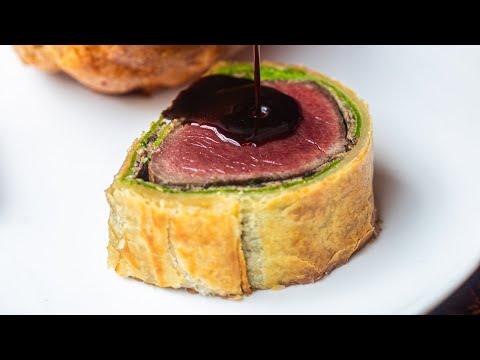
Classic Beef Wellington stands out because it encases a perfectly seared beef tenderloin in a mushroom duxelles, Parma ham, and crisp puff pastry, creating a multi‑layered texture that combines juicy meat, savory mushroom, and flaky pastry—an elegant departure from typical British roasts or pies.
What are the most common mistakes to avoid when making Classic Beef Wellington at home?
Common mistakes include over‑searing the beef, which can dry it out; not chilling the assembled Wellington before baking, leading to a soggy pastry; and using wet mushroom duxelles that steam the pastry instead of crisping it. Ensuring each component is properly cooled and dry is key.
Why does this Classic Beef Wellington recipe use English mustard instead of regular yellow mustard?
English mustard provides a sharper, more pungent heat that cuts through the richness of the beef and pastry, enhancing the overall flavor profile. Regular yellow mustard is milder and can be lost amid the other strong ingredients, so the recipe opts for the traditional British choice.
Can I make Classic Beef Wellington ahead of time and how should I store it before baking?
Yes, you can assemble the Classic Beef Wellington up to the point of baking, then wrap it tightly in plastic wrap and refrigerate for up to 24 hours. Keep it chilled to maintain pastry integrity, and brush with egg wash just before baking to ensure a golden crust.
What does the YouTube channel Unknown specialize in regarding British cooking and Classic Beef Wellington?
The YouTube channel Unknown specializes in showcasing classic British recipes, with a focus on traditional techniques, ingredient sourcing, and step‑by‑step guidance for dishes like Classic Beef Wellington. Their videos often emphasize authentic flavor and presentation for home cooks.
Last updated: August 20, 2026