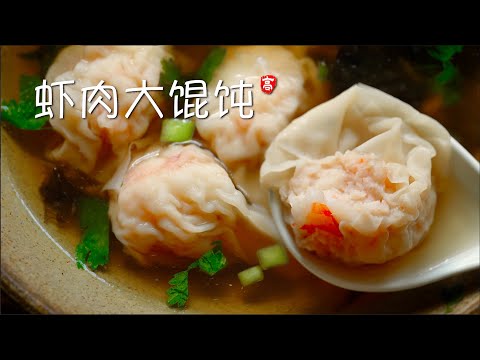
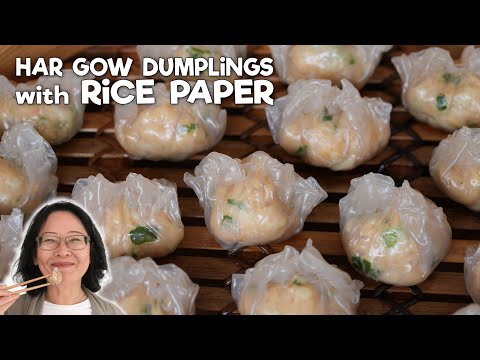
Shrimp and Chicken Wontons
Shrimp and Chicken Wontons is a intermediate Chinese recipe that serves 4. 280 calories per serving.
Prep: 1 hr 10 min | Cook: 5 min | Total: 1 hr 15 min
Cost: $16.97 total, $4.24 per serving
Ingredients
- 500 grams Shrimp (Fresh, peeled and deveined)
- 1 teaspoon Baking soda (For shrimp treatment)
- Enough to cover shrimp cups Water (For soaking shrimp)
- 1 tablespoon White vinegar (Optional, to neutralize baking soda smell)
- 50 grams Chicken skin (Adds fat and flavor, blend well)
- 150 grams Chicken thigh meat (Boneless, skinless)
- 1 teaspoon Salt (For seasoning)
- 0.5 teaspoon White pepper (For seasoning)
- A dash MSG (Optional, enhances umami)
- A small dash Thirteen spice powder (Chinese five-spice blend can substitute)
- 1 tablespoon Soy sauce (Light soy sauce preferred)
- 1 tablespoon Oyster sauce (Adds depth and sweetness)
- 1 teaspoon Sesame oil (For aroma and flavor)
- 1 tablespoon Cornstarch (For binding)
- 1 Egg white (For binding)
- About 40 pieces Wonton wrappers (Store-bought, round or square)
Instructions
Prepare shrimp with baking soda water
Place 500 grams of peeled shrimp in a bowl. Add 1 teaspoon baking soda and enough water to cover the shrimp. Use your hands to gently mix and ensure all shrimp are submerged. Marinate for 30 minutes at room temperature (25-27°C).
Time: PT30M
Temperature: 25-27°C
Rinse shrimp thoroughly
After 30 minutes, rinse shrimp thoroughly under running water to remove baking soda water. If sensitive to alkaline smell, add about 1 tablespoon white vinegar and gently mix, then rinse again to remove vinegar.
Time: PT5M
Prepare chicken mixture
In a blender or food processor, blend 50 grams chicken skin until smooth. Add 150 grams chicken thigh meat and about 125 grams (quarter) of the shrimp. Add 1 teaspoon salt, 0.5 teaspoon white pepper, a dash of MSG, a small dash of thirteen spice powder, 1 tablespoon soy sauce, 1 tablespoon oyster sauce, 1 teaspoon sesame oil, 1 tablespoon cornstarch, and 1 egg white. Blend until well combined and smooth.
Time: PT20M
Add remaining shrimp to filling
Add the remaining 375 grams of shrimp to the blended mixture. If the shrimp are small, mix them in by hand. If larger, pulse lightly in the blender to keep some chunky texture. The filling should be smooth with some shrimp chunks visible.
Time: PT10M
Wrap wontons
Take a wonton wrapper and place it over four fingers. Scoop a spoonful of filling onto the wrapper. Use the back of the spoon to press the filling down while bringing your fingers together. Remove the spoon and close the top of the wrapper using your thumb and forefinger. Repeat for all wontons. No need to wet the wrapper edges.
Time: PT15M
Cook wontons
Bring a pot of water to a rolling boil (100°C). Drop wontons gently into boiling water. Use a spoon to gently push them to prevent sticking. Cook for about 3 minutes until shrimp and chicken are cooked through and wontons float to the surface.
Time: PT3M
Temperature: 100°C
Serve wontons in soup
Prepare soup bowls by ladling hot broth or soup base to dissolve seasonings. Add cooked wontons to the bowls and serve immediately.
Time: PT2M
Temperature: Hot
Nutrition Facts
- Calories
- 280
- Protein
- 30g
- Carbohydrates
- 15g
- Fat
- 8g
- Fiber
- 1g
Dietary info: Gluten (wonton wrappers), Contains animal products, low-carb, high-protein, low-calorie, low-fat
Allergens: Shellfish, Egg, Soy
Ingredient Substitutions
- Instead of Shrimp: Peeled prawns
- Instead of Baking soda: None
- Instead of Water: None
- Instead of White vinegar: Lemon juice
- Instead of Chicken skin: Pork fat
- Instead of Chicken thigh meat: Chicken breast
- Instead of Salt: Soy sauce (adjust quantity)
- Instead of White pepper: Black pepper
- Instead of MSG: Omit or use mushroom powder
- Instead of Thirteen spice powder: Chinese five-spice powder
- Instead of Soy sauce: Tamari
- Instead of Oyster sauce: Hoisin sauce
- Instead of Sesame oil: Toasted sesame seeds
- Instead of Cornstarch: Potato starch
- Instead of Egg white: Aquafaba
- Instead of Wonton wrappers: Homemade wonton wrappers
Equipment Needed
- Mixing bowls
- Blender or food processor
- Pot for boiling
- Spoon
- Measuring spoons
- Soup bowls
Critical Steps — Do Not Skip
- Prepare shrimp with baking soda water
- Rinse shrimp thoroughly
- Prepare chicken mixture
- Wrap wontons
- Cook wontons
Chef Tips from the Video
- Use fresh shrimp for the best texture and flavor.
- Blending chicken skin thoroughly is key to smooth filling.
- No need to wet wonton wrappers with this wrapping method, which speeds up the process.
- Cook wontons just until they float and are cooked through to avoid toughness.
Troubleshooting
Wontons fall apart during cooking
Do not overfill wrappers and seal edges firmly. Use cornstarch and egg white in filling for better binding.
Shrimp taste is rubbery or off
Ensure proper baking soda soak time and thorough rinsing. Use fresh shrimp.
Wontons stick together in boiling water
Cook in plenty of boiling water and gently stir occasionally to prevent sticking.
Storage
Refrigerator: Store cooked wontons in an airtight container for up to 2 days.
Freezer: Freeze uncooked wontons on a tray, then transfer to a freezer bag for up to 1 month.
Room temperature: Do not leave wontons at room temperature for more than 2 hours.
Make-Ahead Tips
- Prepare filling and store in refrigerator for up to 24 hours before wrapping.
- Wrap wontons and freeze uncooked for later use.
Frequently Asked Questions
What is the cultural significance and history of Shrimp and Chicken Wontons in Chinese cuisine?
Shrimp and Chicken Wontons trace their roots to southern Chinese street food, where small parcels of seasoned seafood and meat were fried or boiled as quick snacks. Over time, they became a staple in Cantonese dim sum, symbolizing hospitality and communal sharing during tea gatherings.
What are the traditional regional variations of Shrimp and Chicken Wontons within Chinese cuisine?
In Guangdong, the filling often emphasizes fresh shrimp with a light chicken broth, while Sichuan versions may add peppercorns and chili oil for heat. Northern Chinese styles sometimes bake the wontons or serve them in a thicker, soy‑based broth.
What is the authentic traditional way Shrimp and Chicken Wontons are served in Cantonese Chinese cuisine?
Traditionally, Cantonese Shrimp and Chicken Wontons are poached briefly and served in a clear, lightly seasoned chicken broth, garnished with sliced scallions and a drizzle of sesame oil. They are presented in small bamboo steamers alongside tea.
During which Chinese occasions or celebrations are Shrimp and Chicken Wontons traditionally enjoyed?
Shrimp and Chicken Wontons are popular during Lunar New Year and wedding banquets because their golden color symbolizes wealth and prosperity. They also appear at family reunion dinners as a symbol of togetherness.
How does Shrimp and Chicken Wontons fit into the broader Chinese cuisine tradition of dim sum?
They exemplify the dim sum principle of bite‑size, flavorful parcels that can be shared. The combination of shrimp’s sweetness with chicken’s richness showcases the Chinese culinary balance of texture and flavor in a single bite.
What are the authentic traditional ingredients for Shrimp and Chicken Wontons versus acceptable modern substitutes?
Authentic fillings use fresh shrimp, minced chicken thigh, chicken skin for fat, a splash of Shaoxing wine, and a touch of ginger. Modern cooks may substitute chicken thigh with ground turkey or omit chicken skin, but the texture and richness will change.
What other Chinese dishes pair well with Shrimp and Chicken Wontons in a traditional meal?
Pair them with a light bok choy stir‑fry, steamed jasmine rice, and a cold cucumber salad dressed with rice vinegar. A simple egg drop soup or a jasmine tea completes the classic Cantonese spread.
What makes Shrimp and Chicken Wontons special or unique in Chinese cuisine compared to plain shrimp or pork wontons?
The addition of chicken skin adds a silky fat that enhances the shrimp’s sweetness, creating a richer mouthfeel. This dual‑protein approach balances texture and flavor more intricately than single‑protein wontons.
What are the most common mistakes to avoid when making Shrimp and Chicken Wontons at home?
Avoid over‑mixing the filling, which can make the wontons tough, and do not over‑cook the shrimp, as it turns rubbery. Also, ensure the wonton wrappers are sealed tightly to prevent broth leakage.
Why does this Shrimp and Chicken Wontons recipe use a baking soda water soak for the shrimp instead of plain water?
Baking soda raises the pH of the shrimp’s surface, breaking down muscle proteins and creating a softer, more tender texture. This technique also helps the shrimp retain a brighter, slightly sweet flavor during cooking.
What texture and appearance should I look for to know my Shrimp and Chicken Wontons are correctly prepared?
The wrappers should be translucent and slightly glossy, while the filling should appear plump and moist with a pink‑white hue. When cut open, the shrimp should be tender and the chicken fat should melt gently into the broth.
What is known about the YouTube channel that posted the Shrimp and Chicken Wontons recipe, even though the channel name is not provided?
The unnamed YouTube channel focuses on Chinese home cooking tutorials, emphasizing practical techniques like the baking‑soda shrimp treatment. Its style is instructional, with step‑by‑step visuals that cater to intermediate home chefs seeking authentic flavors.
How does the YouTube channel’s approach to Chinese cooking differ from other Chinese cooking channels, despite the channel name being unknown?
This channel prioritizes ingredient science—explaining why each step, such as using chicken skin for fat, matters—whereas many other Chinese cooking channels focus mainly on presentation. The emphasis on texture‑enhancing tricks sets it apart in the niche of Chinese culinary education.
Last updated: August 20, 2026