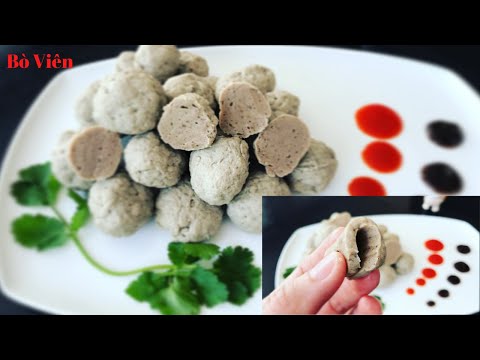
Vietnamese Bò Viên (Bouncy Beef Meatballs, No Stand Mixer)
Vietnamese Bò Viên (Bouncy Beef Meatballs, No Stand Mixer) is a intermediate Vietnamese recipe that serves 4. 180 calories per serving.
Prep: 3 hrs 15 min | Cook: 25 min | Total: 4 hrs 10 min
Cost: $8.46 total, $2.11 per serving
Ingredients
- 476 g Beef (lean, ground or sliced for processing) (Unmixed, not combined with pork or fat; use eye of round, sirloin, or pre-ground lean beef)
- 30 ml Fish sauce (Vietnamese or Thai fish sauce preferred)
- 1 tsp Garlic powder (Or substitute with fresh minced garlic)
- 0.5 tsp Black pepper
- 1 tsp Sugar
- 30 ml Vegetable oil (Any neutral oil)
- 15 g Potato starch (Or substitute with tapioca starch)
- 5 g Baking powder (Any brand)
- 4 tbsp Ice water (Very cold, with ice cubes)
- 0.5 tsp Salt (For boiling water)
- 1/4 Onion (For boiling water, optional)
- 1 stalk Scallion (For boiling water, optional)
- as needed Ice (for chilling water and shocking meatballs) (For ice bath and chilling)
- to taste Chili sauce (for serving) (Optional, for dipping)
Instructions
Mix beef and seasonings
Place the ground beef in a large mixing bowl. Add fish sauce, garlic powder, black pepper, and sugar. Mix and knead thoroughly by hand for about 2 minutes to combine and help the proteins bind.
Time: PT2M
Add oil, starch, baking powder, and ice water
Add vegetable oil, potato starch, baking powder, and 4 tablespoons of ice-cold water to the beef mixture. Continue to knead and mix vigorously for 3 minutes until the mixture is sticky and well combined.
Time: PT3M
Shape and chill the beef mixture
Transfer the beef mixture into a food-safe plastic bag. Flatten into a slab about 1cm thick. Knead or pound the mixture through the bag for an additional 1 minute to further develop texture. Spread the mixture evenly for fast chilling.
Time: PT1M
Freeze the beef mixture
Place the flattened beef mixture in the freezer for 2.5 hours, until very cold and semi-frozen but not rock hard.
Time: PT2H30M
Temperature: -18°C (freezer)
Cut and process the chilled beef
Remove the chilled beef from the freezer and cut into small pieces (by hand or with scissors) to fit your blender or food processor.
Time: PT5M
Blend the beef in short bursts
Blend the beef in your food processor or blender on low speed for 20 seconds. Stop, scrape down and redistribute the mixture. Repeat this process for a total of 5 cycles (20 seconds each), scraping between each cycle. If needed, blend a 6th time for 20 seconds until the mixture is very smooth, sticky, and pale pink.
Time: PT3M
Final blending for smoothness
Switch to high speed. Blend for 30 seconds, stop and scrape, then blend for another 30 seconds. Check that the mixture is smooth, sticky, and pale. If needed, chill and blend again briefly.
Time: PT1M
Chill the blended mixture
Place the blended beef mixture (still in the blender bowl or transfer to a bowl) in the refrigerator or freezer to keep it cold while you prepare the boiling water.
Time: PT10M
Temperature: 4°C
Prepare boiling water and ice bath
Fill a large pot with cold water and add ice. Add 1/2 tsp salt, onion, and scallion (optional) for flavor. In a separate large bowl, prepare an ice bath with plenty of ice and water for shocking the cooked meatballs.
Time: PT5M
Shape the beef balls
Rub a little oil on your hands to prevent sticking. Scoop a portion of the cold beef mixture, squeeze it out between your thumb and forefinger to form a ball, and use a spoon to scoop it off into the cold water. Repeat until all mixture is shaped.
Time: PT15M
Cook the beef balls
Place the pot with shaped beef balls over medium heat. Slowly bring to a gentle simmer (do not boil vigorously). As the meatballs float and turn white, gently press them down with a spoon to keep them submerged. Skim off any foam. Once they float, simmer for 2-3 more minutes to cook through.
Time: PT20M
Temperature: 85-90°C (gentle simmer)
Shock in ice bath and drain
Immediately transfer cooked meatballs to the prepared ice bath. Let sit for 2 minutes to firm up and cool, then drain in a colander.
Time: PT3M
Serve or store
Serve bò viên with chili sauce, in noodle soup, or as desired. Store leftovers in the refrigerator or freezer.
Time: PT1M
Cleanup
Wash all bowls, utensils, blender/food processor, pot, and surfaces used. Discard or compost onion and scallion from boiling water.
Time: PT30M
Nutrition Facts
- Calories
- 180
- Protein
- 18g
- Carbohydrates
- 4g
- Fat
- 10g
- Fiber
- 0g
Dietary info: Gluten-free, Dairy-free, Nut-free, low-carb, low-calorie, very-low-calorie
Allergens: Fish (fish sauce), Allium (garlic, onion, scallion)
Ingredient Substitutions
- Instead of Beef (lean, ground or sliced for processing): Pork (for pork meatballs), Chicken (for chicken version)
- Instead of Fish sauce: Soy sauce (for non-fish version, but flavor will differ)
- Instead of Garlic powder: 1 clove fresh garlic, minced
- Instead of Black pepper: White pepper
- Instead of Sugar: Honey, Maple syrup
- Instead of Vegetable oil: Canola oil, Sunflower oil
- Instead of Potato starch: Tapioca starch, Cornstarch
- Instead of Chili sauce (for serving): Sriracha, Sweet chili sauce
Equipment Needed
- Mixing bowl
- Plastic bag or food-safe plastic wrap
- Freezer
- Blender or food processor
- Spatula or spoon
- Large pot
- Slotted spoon or strainer
- Large bowl (for ice bath)
- Colander or wire rack
- Knife or kitchen scissors (optional)
- Measuring spoons
Critical Steps — Do Not Skip
- Mixing and kneading the beef mixture thoroughly to develop texture.
- Keeping the mixture cold at all times (especially during blending/processing).
- Blending in short bursts to avoid overheating and breaking the emulsion.
- Shaping and cooking the meatballs gently to prevent cracking and ensure bounciness.
Chef Tips from the Video
- Chilling at every stage is key for the signature texture.
- Use a little oil on your hands for easier shaping.
- For extra flavor, add a pinch of five-spice powder or white pepper.
- Serve bò viên in pho, hu tieu, or with dipping sauce as a snack.
Troubleshooting
Meatballs are not bouncy or springy.
Ensure mixture was kept cold at all times and kneaded/blended thoroughly. Do not skip chilling steps.
Meatballs crack or fall apart during boiling.
Keep water at a gentle simmer, not a rolling boil. Shape meatballs firmly and avoid overcooking.
Mixture is too soft to shape.
Chill mixture longer before shaping. Add a bit more starch if needed.
Blender/processor overheats.
Work in short bursts, chill mixture and machine between cycles.
Storage
Refrigerator: Store in an airtight container for up to 5 days.
Freezer: Freeze in a zip bag or airtight container for up to 2 months.
Room temperature: Not recommended due to food safety.
Make-Ahead Tips
- You can freeze the flattened beef mixture for up to 2 weeks before blending.
- Cooked meatballs freeze well for future use.
Frequently Asked Questions
What is the cultural significance and history of Vietnamese Bò Viên (Bouncy Beef Meatballs, No Stand Mixer) in Vietnamese cuisine?
Vietnamese Bò Viên, or bouncy beef meatballs, have been a beloved street‑food staple for decades, originally served in noodle soups and bánh mì across Vietnam. The dish reflects the Vietnamese love for texture, using techniques that create a springy bite without modern appliances. It showcases the resourcefulness of home cooks who adapt traditional flavors with simple tools.
What are the traditional regional variations of Vietnamese Bò Viên (Bouncy Beef Meatballs, No Stand Mixer) across Vietnam?
In northern Vietnam, bò viên are often seasoned with a hint of star anise and served in phở broth, while central versions may include a splash of fish sauce and lime zest. Southern styles frequently add sugar and serve the meatballs in a sweeter, tomato‑based noodle soup. Each region adjusts the seasoning balance to match local palate preferences.
What is the authentic traditional way Vietnamese Bò Viên (Bouncy Beef Meatballs, No Stand Mixer) is served in Vietnamese households and street stalls?
Traditionally, Vietnamese Bò Viên are boiled and added to a hot broth with rice noodles, herbs, and bean sprouts, creating a comforting noodle soup called bún bò viên. They are also sliced and placed inside a crisp baguette with pickled vegetables, fresh cilantro, and chili sauce for a popular bánh mì topping. The meatballs are served hot, allowing their springy texture to shine.
During which occasions or celebrations is Vietnamese Bò Viên (Bouncy Beef Meatballs, No Stand Mixer) traditionally prepared in Vietnamese culture?
Bò viên are commonly prepared for family gatherings, especially during Tet (Lunar New Year) when a hearty soup symbolizes prosperity. They also appear at street‑food festivals and casual weekend meals, offering a quick yet satisfying protein option for friends and relatives.
How does Vietnamese Bò Viên (Bouncy Beef Meatballs, No Stand Mixer) fit into the broader Vietnamese cuisine tradition of balancing flavors and textures?
Vietnamese cuisine emphasizes harmony of sweet, salty, sour, and umami, and bò viên exemplify this by combining fish sauce, sugar, and pepper. The unique bouncy texture adds a mouthfeel contrast to soft noodles and crisp herbs, embodying the Vietnamese principle of multi‑sensory eating.
What are the authentic traditional ingredients for Vietnamese Bò Viên (Bouncy Beef Meatballs, No Stand Mixer) versus acceptable modern substitutes?
The authentic recipe calls for lean ground beef, fish sauce, garlic powder, black pepper, and a pinch of sugar. Modern cooks may substitute a food‑processor‑ground beef for a pre‑ground blend, or use low‑sodium fish sauce and a touch of soy sauce, but the core flavor profile should remain unchanged.
What other Vietnamese dishes pair well with Vietnamese Bò Viên (Bouncy Beef Meatballs, No Stand Mixer) for a complete meal?
Bò viên pairs beautifully with fresh rice vermicelli salads (gỏi bún), a side of pickled daikon and carrots, and a light dipping sauce of nước chấm. A crisp Vietnamese cucumber salad or a bowl of pho broth can round out the meal, offering contrasting textures and flavors.
What makes Vietnamese Bò Viên (Bouncy Beef Meatballs, No Stand Mixer) special or unique within Vietnamese cuisine?
The hallmark of Vietnamese Bò Viên is its springy, bouncy texture achieved without a stand mixer or meat grinder, relying on a home blender and careful chilling. This technique preserves the meat’s natural juices while creating a chewiness prized by Vietnamese diners, setting it apart from softer meatball varieties.
What are the most common mistakes to avoid when making Vietnamese Bò Viên (Bouncy Beef Meatballs, No Stand Mixer) at home?
Common errors include over‑processing the beef, which can turn the mixture gummy, and insufficient chilling, which prevents the desired bounce. Also, adding too much fish sauce can make the meatballs overly salty, and neglecting to season evenly leads to bland bites. Follow the recommended processing time and chill the mixture thoroughly before shaping.
Why does this Vietnamese Bò Viên (Bouncy Beef Meatballs, No Stand Mixer) recipe use a home blender/food processor and chilling instead of a stand mixer or meat grinder?
The blender/food processor finely emulsifies the beef with seasonings, while the chilling step firms the protein matrix, creating the signature springy texture without the need for a stand mixer’s high speed or a meat grinder’s coarse grind. This method is accessible for home cooks who lack specialized equipment but still want authentic results.
What does the YouTube channel Unknown specialize in regarding Vietnamese cooking, as seen in the Vietnamese Bò Viên (Bouncy Beef Meatballs, No Stand Mixer) video?
The YouTube channel Unknown focuses on practical, equipment‑light Vietnamese home cooking, demonstrating classic dishes with everyday kitchen tools. Its videos emphasize technique, cultural context, and step‑by‑step guidance, making traditional Vietnamese recipes approachable for a global audience.
Last updated: August 20, 2026