

Amazon Associates PartnerTrusted
As an Amazon Associate, we earn from qualifying purchases made through links on this page. This helps support our site at no extra cost to you. Clicking on ingredient or equipment links will take you to amazon.com where you can purchase these items.
खिचड़ी जिसका स्वाद ऐसा की पेट भरेगा मन नहीं घरवाले बोलेंगे अब से बनेगी रोज खिचड़ी
A comforting, nutritious winter khichdi made with pearl millet (bajra) and moong dal, seasoned with fenugreek, ajwain, black pepper, asafoetida and ghee. The recipe follows Anukriti Cooking Recipes' easy, shortcut method for removing the tough outer skin of bajra, soaking the grains, and cooking a flavorful, hearty one‑pot meal.
Shop all ingredients on Amazon in one click • Printable PDF with shopping checklist
Cost Breakdown
Critical Success Points
- • Removing the outer skin of bajra using the blender‑pulse method
- • Soaking bajra and dal for at least 1 hour
- • Roasting the soaked grains in spiced ghee before adding water
- • Maintaining a low simmer and stirring regularly to avoid burning
Safety Warnings
- • Handle hot ghee and boiling water with care to avoid burns.
- • Do not leave the cooker unattended while the mixture is boiling.
- • Use oven mitts when handling the hot pressure cooker lid.
Frequently Asked Questions
Everything you need to know about this recipe
What is the cultural significance and history of Bajra Khichdi in Indian winter cuisine?
Bajra Khichdi is a traditional comfort food in North Indian households, especially during the cold winter months. Millet was historically a staple grain for agrarian communities because it stores well and provides warming energy, while khichdi combines grains and lentils for a complete, easily digestible meal.
What are the traditional regional variations of Bajra Khichdi in Indian cuisine?
In Punjab and Haryana, bajra khichdi is often cooked with ghee, asafoetida, and served with fresh butter milk. In Rajasthan, it may include jaggery and a touch of dry ginger powder for a sweet‑savory balance. Some regions add vegetables like carrots and peas for extra nutrition.
How is authentic Bajra Khichdi traditionally served in Indian households?
It is typically served hot in a clay or metal pot, topped with a generous dollop of melted ghee, and accompanied by side dishes such as boondi raita, pickles, or a simple cucumber salad. It is also enjoyed with a glass of warm buttermilk or ginger tea.
During which occasions or celebrations is Bajra Khichdi traditionally prepared in Indian culture?
Bajra Khichdi is commonly prepared during winter festivals like Lohri and Makar Sankranti, as well as during fasting days (vrat) when a light, nourishing meal is preferred. It is also a go‑to comfort dish for sick family members.
What makes Bajra Khichdi special or unique in Indian millet cuisine?
Bajra provides a nutty, earthy flavor and a high fiber content, while the combination with moong dal creates a balanced protein profile. The use of ghee and aromatic spices gives the khichdi a rich, warming quality that is both hearty and easy on the stomach.
What are the most common mistakes to avoid when making Bajra Khichdi?
Common errors include not removing the outer husk of the bajra, insufficient soaking, cooking on high heat which causes the grains to stick, and adding too much water which makes the khichdi soupy. Follow the skin‑removal and soaking steps carefully and maintain a low simmer while stirring.
Why does this Bajra Khichdi recipe use a short pulse method in a blender to remove the skin instead of soaking for an hour?
The pulse method quickly loosens the husk without the need for long soaking, saving time and reducing water usage. It also prevents the millet from becoming overly soft before cooking, preserving its texture.
Can I make Bajra Khichdi ahead of time and how should I store it?
Yes, you can cook the khichdi a day ahead. Cool it to room temperature, store in an airtight container in the refrigerator for up to 3 days, and reheat gently with a splash of water and a teaspoon of ghee to restore moisture.
What texture and appearance should I look for when Bajra Khichdi is done cooking?
The millet should be soft but retain a slight bite, and the dal should be fully broken down, giving the khichdi a creamy, porridge‑like consistency. The grains should be evenly coated with the spiced ghee, and the surface should be glossy, not dry.
How do I know when Bajra Khichdi is done cooking?
When the water has been mostly absorbed, the millet is tender, and the mixture looks thick and glossy, the khichdi is ready. A quick taste test for grain softness confirms doneness.
What does the YouTube channel Anukriti Cooking Recipes specialize in?
The YouTube channel Anukriti Cooking Recipes specializes in simple, home‑style Indian recipes that focus on traditional flavors, quick shortcuts, and nutritious meals suitable for everyday cooking, especially for winter comfort dishes.
How does the YouTube channel Anukriti Cooking Recipes' approach to Indian millet dishes differ from other Indian cooking channels?
Anukriti Cooking Recipes emphasizes easy, time‑saving techniques—like the blender‑pulse method for husk removal—and highlights the health benefits of millets, whereas many other channels stick to more labor‑intensive traditional methods.
You Might Also Like
Similar recipes converted from YouTube cooking videos

Surti Khavsa (Surat-Style Coconut Soup)
Surti Khavsa is a fragrant, light coconut broth soup from Surat, India, topped with crispy papad, fried onion, fried garlic, spring‑onion greens, noodles and a punchy garlic‑peanut chutney. This recipe walks you through making homemade coconut milk, a silky cashew‑seed broth, and all the crunchy toppings for an authentic street‑food experience at home.
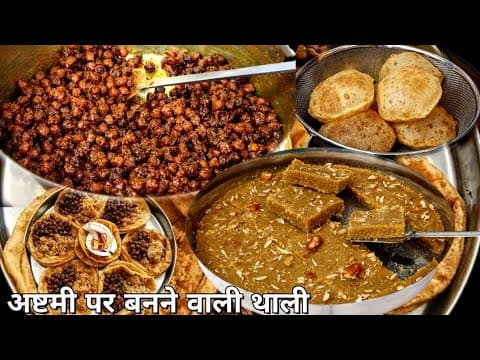
नवरात्रि में अष्टमी नवमी पर विशेष बनने वाली कला चना हलवा पूरी की प्रसाद थाली, Navratri Thali
A festive Navratri menu featuring perfectly spiced dry black chickpea curry, buttery semolina halwa set like barfi, and ultra‑soft, puffed puris. The recipe follows the step‑by‑step method demonstrated by Anukriti Cooking Recipes, ensuring authentic taste and texture for Ashtami and Navami celebrations.
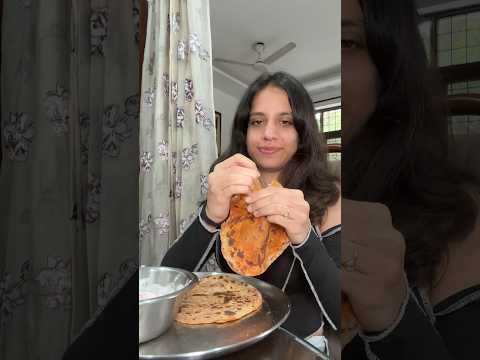
Grandma's Chili Paratha (No Ghee) (parota)
A nostalgic, comforting flatbread stuffed with fresh green chilies and tomatoes, cooked with just a drizzle of oil—no ghee needed. Inspired by the love and simplicity of a grandmother's kitchen, this paratha brings back childhood memories with every bite. Also known as parota.

Upma (Semolina Savory Breakfast)
A quick, flavorful South Indian upma made with semolina, vegetables, and aromatic spices. Perfect for breakfast, brunch, or a light dinner, this recipe captures the taste of restaurant‑style upma with simple home‑cooked ingredients.
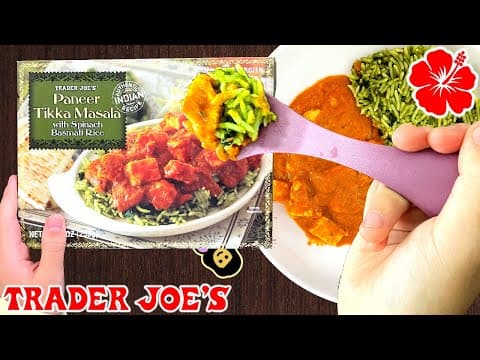
🇮🇳 Paneer Tikka Masala with Spinach Basmati Rice - Trader Joe’s Product Review
A quick and easy Indian-inspired frozen meal review turned into a home‑cooked version. Trader Joe's Paneer Tikka Masala with Spinach Basmati Rice is heated on the stovetop for a flavorful, creamy sauce, tender paneer, and fragrant basmati rice—all ready in under 15 minutes.

Beef and Turmeric Samosas
Crispy fried samosas filled with spiced ground beef, carrots, peas and fresh coriander. Perfect as an appetizer or party starter, served warm with sriracha hot sauce.