

Amazon Associates PartnerTrusted
As an Amazon Associate, we earn from qualifying purchases made through links on this page. This helps support our site at no extra cost to you. Clicking on ingredient or equipment links will take you to amazon.com where you can purchase these items.
Bûche roulée au chocolat
Une bûche de Noël roulée au chocolat, moelleuse et décorée de ganache onctueuse. La recette comprend une ganache au chocolat noir et au lait, une génoise légère, un sirop à la vanille et une finition décorative à la fourchette. Idéale pour les fêtes, elle se prépare la veille pour un résultat parfait.
Shop all ingredients on Amazon in one click • Printable PDF with shopping checklist
Cost Breakdown
Critical Success Points
- • Faire fondre le chocolat avec la crème sans porter à ébullition.
- • Monter les blancs d’œufs en neige ferme avant d’ajouter le sucre.
- • Tamiser la farine et la levure pour éviter les grumeaux.
- • Laisser la ganache prendre au frais au moins 2‑4 heures avant le montage.
- • Rouler la génoise avant qu’elle ne refroidisse complètement pour éviter les fissures.
Safety Warnings
- • Faire attention aux éclaboussures de crème chaude.
- • Utiliser des gants ou un manique pour manipuler la plaque chaude.
- • Faire attention au couteau lors du découpage de la bûche.
Frequently Asked Questions
Everything you need to know about this recipe
What is the cultural significance and history of Bûche roulée au chocolat in French holiday traditions?
Bûche roulée au chocolat, also known as the Yule log, dates back to the 19th century when French families began shaping sponge cake to resemble a wooden log for Christmas. It symbolizes the ancient tradition of burning a real log to bring good luck and warmth during the winter solstice. Over time, the dessert evolved into a chocolate‑filled roll, becoming a centerpiece of French Noël celebrations.
What are the traditional regional variations of Bûche roulée au chocolat in France?
In Provence, the bûche often includes orange zest and a light orange‑flavored glaze, while in Alsace the cake may be layered with kirsch‑infused cream. The northern regions sometimes use dark chocolate ganache with a touch of Calvados, and some Alpine areas add a hint of hazelnut praline. Each variation reflects local ingredients and festive customs while keeping the roll shape.
How is Bûche roulée au chocolat authentically served in French Christmas celebrations?
Traditionally, the Bûche roulée au chocolat is dusted with powdered sugar to mimic snow and decorated with chocolate shavings or marzipan mushrooms to resemble a log. It is presented on a festive platter alongside other desserts like foie gras pâté and candied fruits. The bûche is typically sliced just before dessert is served, allowing guests to admire its spiral interior.
What occasions or celebrations is Bûche roulée au chocolat traditionally associated with in French culture?
The Bûche roulée au chocolat is most closely linked to Noël (Christmas) dinner, but it also appears at Réveillon (the New Year’s Eve feast) and during winter weddings in France. Some families serve a miniature version for Saint‑Stephen’s Day (December 26) as a continuation of the holiday sweets. Its presence signals the end of the festive meal and the start of the holiday indulgence.
How does Bûche roulée au chocolat fit into the broader French dessert cuisine tradition?
French pastry tradition values balance of texture, flavor, and presentation, and the Bûche roulée au chocolat embodies these principles with its light génoise, silky ganache, and decorative finish. It showcases the French mastery of sponge cakes, butter‑based ganaches, and seasonal symbolism. The dessert also reflects the French penchant for turning simple ingredients like chocolate and cream into elegant, celebratory treats.
What are the authentic traditional ingredients for Bûche roulée au chocolat versus acceptable substitutes?
Authentic Bûche roulée au chocolat uses whole‑milk French butter, heavy cream, dark chocolate (70 % cacao), and a light génoise made with egg yolks, sugar, flour, and melted butter. Acceptable substitutes include using a high‑quality milk chocolate for a sweeter profile, or replacing part of the butter with margarine for a lighter texture. However, substituting the cream with a low‑fat alternative can affect the ganache’s glossy sheen and mouthfeel.
What other French dishes pair well with Bûche roulée au chocolat for a complete holiday menu?
A classic French holiday menu pairs Bûche roulée au chocolat with a savory starter such as soupe à l’oignon (French onion soup) or terrine de foie gras. For the main course, a roasted dinde de Noël (Christmas turkey) or coq au vin provides contrast, while a cheese platter featuring Camembert and Roquefort offers a salty finish before the sweet bûche. A cup of café au lait or a glass of crémant complements the chocolate richness.
What makes Bûche roulée au chocolat special or unique in French cuisine compared to other chocolate desserts?
Bûche roulée au chocolat is unique because it combines the visual symbolism of a Yule log with a delicate rolled sponge and a rich ganache, creating a multi‑layered texture not found in flat cakes or tarts. Its preparation requires precise timing—rolling the warm génoise before it sets—to achieve the signature spiral. The dessert also carries cultural storytelling, turning a simple chocolate roll into a festive tradition.
What are the most common mistakes to avoid when making Bûche roulée au chocolat from the Cooking by Nissou YouTube video?
Common pitfalls include over‑baking the génoise, which makes it dry and difficult to roll, and under‑whipping the ganache, leading to a grainy texture. Another mistake is forgetting to brush the warm cake with the vanilla syrup, which adds moisture and flavor. Finally, rolling the cake before it has cooled completely can cause cracks in the roll.
Why does the Bûche roulée au chocolat recipe from Cooking by Nissou use a vanilla syrup and ganache instead of a simple buttercream frosting?
The vanilla syrup keeps the génoise moist and adds a subtle aromatic note that balances the richness of the chocolate ganache. Ganache provides a glossy, velvety finish that mimics the look of a real log, while buttercream would be too sweet and dense for the traditional texture. This combination also aligns with French pastry techniques that favor ganache for elegant chocolate desserts.
What does the YouTube channel Cooking by Nissou specialize in, especially regarding French dessert recipes like Bûche roulée au chocolat?
Cooking by Nissou specializes in step‑by‑step French home cooking, focusing on classic desserts, pastries, and seasonal dishes. The channel emphasizes clear visual instructions, authentic ingredient choices, and tips for adapting recipes to everyday kitchens. Its content often highlights traditional French techniques while making them accessible to a global audience.
What is the cooking philosophy and style of the YouTube channel Cooking by Nissou when preparing classic French desserts such as Bûche roulée au chocolat?
Cooking by Nissou follows a philosophy of preserving authenticity while simplifying complex French techniques for home cooks. The style blends meticulous preparation—like precise timing for ganache and sponge—with friendly narration and close‑up shots that demystify each step. The channel aims to inspire confidence in recreating French classics without compromising flavor or tradition.
You Might Also Like
Similar recipes converted from YouTube cooking videos

Vanilla Chocolate Rolled Yule Log
A festive French Yule log made with a light vanilla sponge, a silky vanilla‑infused white‑chocolate ganache, and a glossy milk‑and‑dark chocolate ganache coating. Finished with wood‑grain texture, praline crumbs and a touch of holiday decoration, this cake can be prepared ahead of time and is perfect for Christmas celebrations.
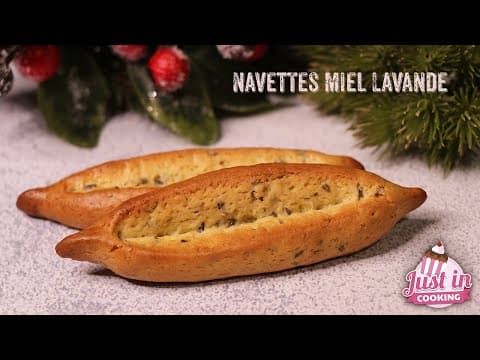
Provençal Lavender and Honey Navettes
Provençal biscuits scented with lavender and honey, perfect for the holiday season. A slightly sticky dough, rested 3 h in the fridge, shaped into small navettes, brushed with milk and baked until lightly golden.
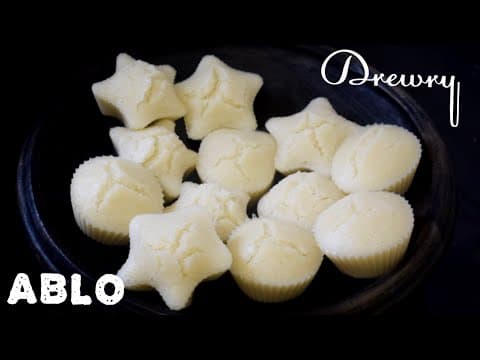
Boulot Cakes
Moist little cakes made with semolina, rice flour and dry yeast, steamed. A traditional recipe that requires patience and a 4‑hour resting time, ideal for a snack or breakfast.

Clump-free crepe batter, no equipment
An ultra-smooth crepe batter made entirely by hand, without any electric appliance. By following the chef’s tips – low-gluten flour, warm liquids – you get light, lump-free crepes, ideal for breakfast or dessert.
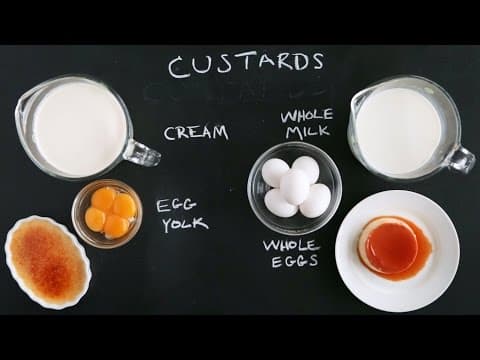
Classic Flan (Crème Caramel) with Caramel Sauce
A smooth, glossy flan made with whole eggs, whole milk, and coconut cream, set in a caramel‑lined ramekin and baked in a water bath. The recipe walks you through a wet‑caramel base, gentle tempering of the custard, and the perfect jiggle‑to‑set ratio for a restaurant‑quality dessert.

Moist Lamb Shoulder in Pressure Cooker with Roasted Vegetables
An ultra‑tender lamb shoulder cooked in a pressure cooker, flavored with garlic, rosemary and thyme, served with oven‑roasted vegetables (butternut squash, sweet potato, carrots, asparagus, zucchini and broccoli). Ideal for a comforting family meal.