

Amazon Associates PartnerTrusted
As an Amazon Associate, we earn from qualifying purchases made through links on this page. This helps support our site at no extra cost to you. Clicking on ingredient or equipment links will take you to amazon.com where you can purchase these items.
Poulet au curry à la chinoise (sans lait de coco)
Un poulet sauté façon années 80 des restaurants chinois, parfumé au curcuma, curry en poudre et paprika, épaissi avec de la fécule de pomme de terre. Simple, rapide et réalisé avec des ingrédients disponibles en grande surface, servi avec du riz blanc.
Shop all ingredients on Amazon in one click • Printable PDF with shopping checklist
Cost Breakdown
Critical Success Points
- • Marinade du poulet (15 min) pour une viande tendre et savoureuse.
- • Préparer la sauce sans grumeaux en dissolvant la fécule au préalable.
- • Épaissir la sauce correctement : ne pas la laisser trop longtemps sinon elle deviendra trop ferme.
Safety Warnings
- • Faire attention à l'huile chaude pour éviter les éclaboussures.
- • Utiliser un couteau bien aiguisé pour éviter les glissements.
Frequently Asked Questions
Everything you need to know about this recipe
What is the cultural significance and history of Poulet au curry à la chinoise (sans lait de coco) in Chinese cuisine?
Poulet au curry à la chinoise (sans lait de coco) is a French‑inspired interpretation of 1980s Chinese restaurant fare, where curry powder and turmeric were used to add colour and flavor without traditional coconut milk. It reflects the adaptation of Chinese stir‑fry techniques to European tastes and the popularity of quick, affordable meals in that era.
What are the traditional regional variations of Poulet au curry à la chinoise (sans lait de coco) in Chinese cuisine?
While the exact name is a French creation, similar chicken‑curry stir‑fries exist in southern Chinese provinces such as Guangdong, where soy sauce, curry powder and a touch of turmeric are combined. In Hong Kong street food, a lighter sauce with oyster sauce is common, whereas in mainland Sichuan the dish may include Sichuan pepper for heat.
How is Poulet au curry à la chinoise (sans lait de coco) authentically served in Chinese restaurants of the 1980s?
In the 1980s Chinese eateries of France, the dish was plated over a bed of steamed white rice, garnished with sliced scallions and sometimes toasted sesame seeds. The sauce was glossy and slightly thickened, allowing the chicken pieces to stay moist while the rice absorbed the flavour.
What occasions or celebrations is Poulet au curry à la chinoise (sans lait de coco) traditionally associated with in Chinese culture?
Although not tied to a specific festival, the dish is often prepared for family gatherings and casual celebrations because it can be made quickly for many guests. Its bright yellow colour is considered auspicious, symbolising wealth and happiness in Chinese tradition.
How does Poulet au curry à la chinoise (sans lait de coco) fit into the broader Chinese cuisine tradition of stir‑fry dishes?
The recipe follows the classic Chinese stir‑fry method: high‑heat cooking, a brief marination, and a final thickening step. It showcases the Chinese emphasis on balance—combining salty soy sauce, aromatic spices, and a smooth texture achieved with potato starch.
What are the authentic traditional ingredients for Poulet au curry à la chinoise (sans lait de coco) versus acceptable substitutes found in Western supermarkets?
Authentic ingredients include boneless chicken breast, Chinese soy sauce, turmeric powder, sweet paprika, curry powder, and potato starch. In Western stores you can replace potato starch with cornstarch, and use regular paprika if sweet paprika is unavailable, while still preserving the dish’s flavor profile.
What other Chinese dishes pair well with Poulet au curry à la chinoise (sans lait de coco) when served as a main course?
Typical companions are a light cucumber salad dressed with rice vinegar, steamed bok choy with garlic, and a simple egg fried rice. These sides balance the rich, spiced chicken and keep the meal harmonious.
What makes Poulet au curry à la chinoise (sans lait de coco) special or unique in Chinese cuisine compared to other curry chicken dishes?
Its uniqueness lies in the absence of coconut milk, relying instead on a soy‑based sauce thickened with potato starch, which gives a glossy, velvety texture. The combination of turmeric, curry powder and sweet paprika creates a distinct yellow hue and a milder, aromatic heat not found in traditional Indian‑style Chinese curries.
What are the most common mistakes to avoid when making Poulet au curry à la chinoise (sans lait de coco) at home?
Avoid overcooking the chicken, which makes it dry, and adding the starch slurry too early, which can cause a gummy sauce. Also, be careful not to use too much soy sauce, as it can overwhelm the subtle spice balance.
What texture and appearance should I look for when cooking Poulet au curry à la chinoise (sans lait de coco) to know it is correctly thickened with potato starch?
The sauce should coat the chicken pieces with a smooth, glossy sheen and have a slightly velvety mouthfeel. When you dip a spoon, the liquid should cling without dripping quickly, indicating the starch has fully gelatinised.
What does the YouTube channel LE RIZ JAUNE specialize in, and how does its cooking philosophy reflect in the Poulet au curry à la chinoise (sans lait de coco) recipe?
LE RIZ JAUNE specializes in approachable Asian home‑cooking, focusing on recipes that use ingredients readily found in Western supermarkets. Its philosophy of simplicity and speed is evident in the Poulet au curry à la chinoise (sans lait de coco) recipe, which delivers authentic‑tasting Chinese flavours in under thirty minutes.
You Might Also Like
Similar recipes converted from YouTube cooking videos
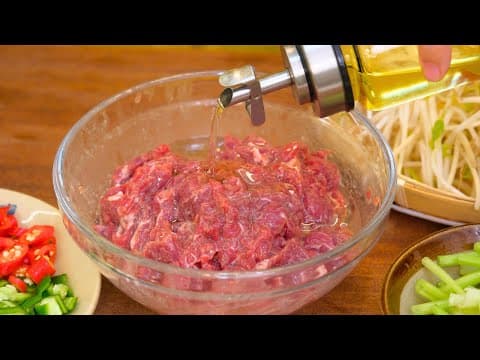
Reveal Chinese Restaurant Secret Technique: Oil Velveting Explained
A restaurant‑style Sichuan spicy and numbing beef using the classic oil‑velveting (oil poaching) technique. Thinly sliced beef is marinated, coated in a cornstarch slurry, briefly poached in hot oil, then stir‑fried with bean sprouts, garlic, chilies and Sichuan peppercorns for a silky, tender, and intensely flavorful dish.
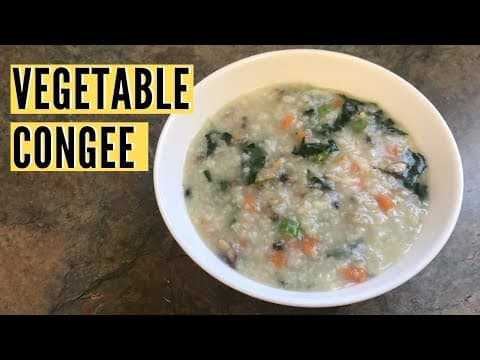
Vegetable Congee
A comforting, easy-to-make vegetable congee (rice porridge) perfect for breakfast or a light meal. Soft rice, fragrant ginger, mushrooms, choy sum (or bok choy) and carrot create a wholesome, soothing bowl. Optional sesame oil adds a nutty finish.
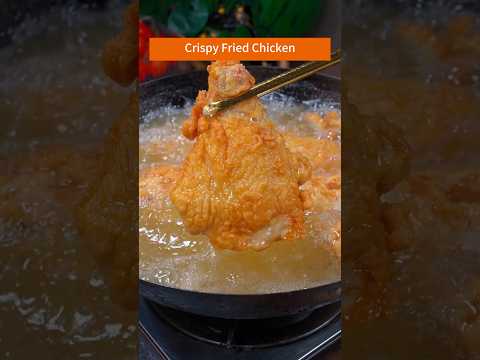
Crispy Fried Chicken
A classic Chinese‑style crispy fried chicken drumsticks recipe featuring a ginger, green onion, light soy and oyster sauce seasoning, double‑floured coating, and deep‑frying to golden perfection.
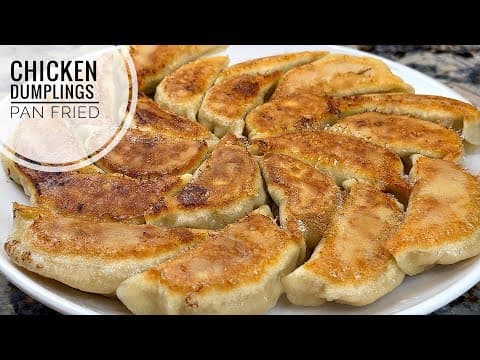
Pan Fried Chicken Dumpling
Traditional Northern Chinese pan‑fried dumplings (jiaozi) made from scratch with homemade wrappers, seasoned ground chicken filling, and a simple chili‑soy dipping sauce. Perfect for Lunar New Year celebrations or any cozy meal.
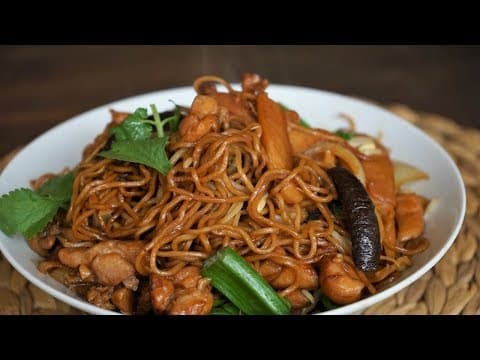
Chinese Fried Long Noodles with Chicken, Shiitake Mushrooms & Bamboo Shoots
A celebratory Chinese stir‑fried noodle dish where extra‑long homemade noodles symbolize longevity. Tender chicken pieces are marinated, then caramelized with sugar, garlic and ginger. Added shiitake mushrooms, crunchy bamboo shoots, bean sprouts and fresh herbs give texture and flavor. Perfect for festive meals or a hearty family dinner.
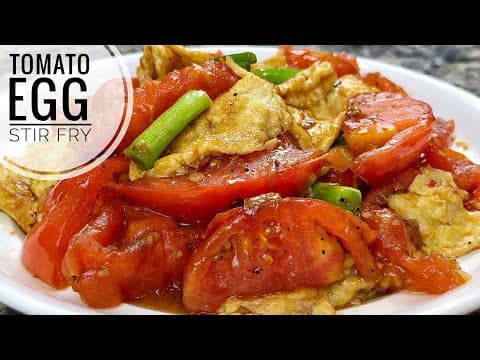
Tomato And Egg Stir Fry
A quick, cheap, and classic Chinese home‑cooked dish of sweet‑sour tomatoes tossed with fluffy scrambled eggs. Perfectly balanced with a light soy‑sugar sauce, it pairs beautifully with steamed rice and can be on the table in under half an hour.