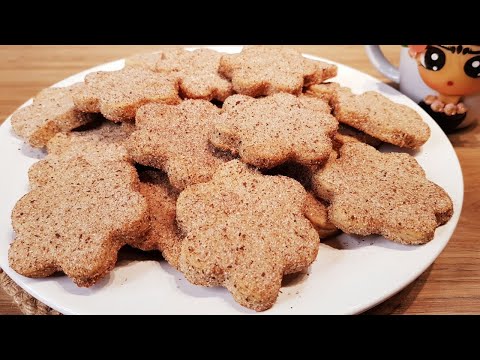
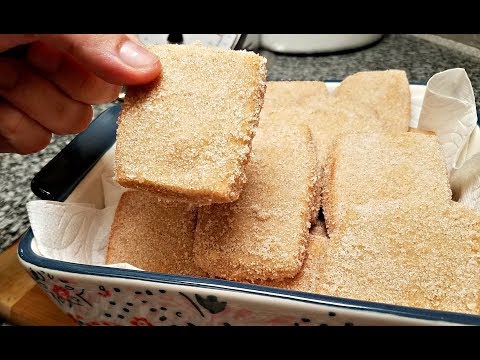
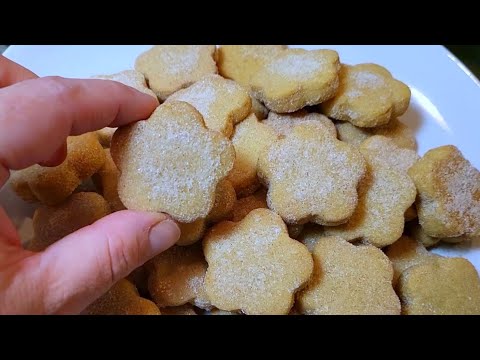
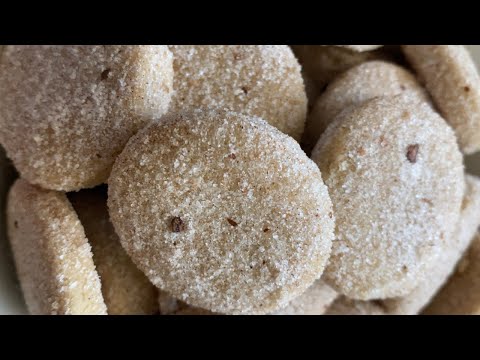
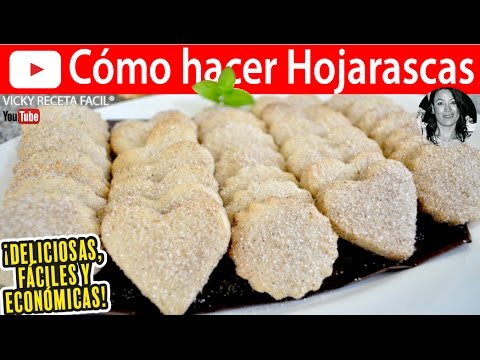
Hojarascas (Mexican Cinnamon Shortbread Cookies)
Hojarascas (Mexican Cinnamon Shortbread Cookies) is a easy Mexican recipe that serves 34. 120 calories per serving.
Prep: 35 min | Cook: 28 min | Total: 1 hr 25 min
Cost: $91.49 total, $2.69 per serving
Ingredients
- 4 cups All-purpose flour (Use standard US measuring cups; about 500g)
- 2/3 cup Vegetable shortening (Room temperature)
- 2/3 cup Lard (Room temperature; essential for authentic flavor)
- 1 large Egg (Room temperature)
- 2 tablespoons Vanilla extract
- 1 tablespoon Ground cinnamon (Heaping; plus 2 heaping tablespoons for coating)
- 1 pinch Salt
- 3/4 cup Powdered sugar (confectioners' sugar)
- 2-3 tablespoons Water (Room temperature; use only as needed)
- 1/2 cup Granulated sugar (For coating)
Instructions
Mix dry ingredients
In a large mixing bowl, combine 4 cups all-purpose flour, 1 heaping tablespoon ground cinnamon, 3/4 cup powdered sugar, and a pinch of salt. Mix thoroughly to evenly distribute the ingredients.
Time: PT5M
Add wet ingredients and fats
Add 1 large egg, 2 tablespoons vanilla extract, 2/3 cup vegetable shortening, and 2/3 cup lard to the dry mixture. Begin mixing with a spoon or your hands until the mixture is crumbly.
Time: PT5M
Add water as needed
Gradually add water, one tablespoon at a time, mixing after each addition. Stop when the dough holds together when pressed but is not sticky. You may only need 2-3 tablespoons.
Time: PT3M
Knead and rest the dough
Transfer the dough to a clean surface and gently knead until fully combined and smooth. Place the dough in a bowl, cover, and let it rest at room temperature for 20 minutes.
Time: PT22M
Temperature: 25°C
Preheat oven and prepare baking sheet
Preheat your oven to 180°C (356°F). Line a baking sheet with a silicone mat, parchment paper, or lightly grease and flour it.
Time: PT5M
Temperature: 180°C
Roll out and cut dough
On a lightly floured surface, roll out the dough to about 1/4 inch (6 mm) thickness. Cut out cookies with a 7 cm round cutter or any shape you like. Gather scraps and re-roll until all dough is used.
Time: PT10M
Arrange cookies on baking sheet
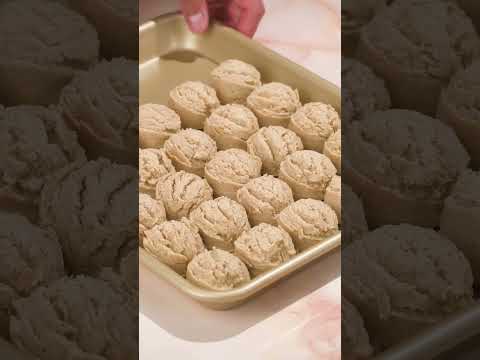
Place the cut cookies on the prepared baking sheet, spacing them slightly apart.
Time: PT2M
Bake
Bake in the preheated oven for 20-28 minutes, or until the bottoms are golden brown. Check at 20 minutes and add time as needed.
Time: PT28M
Temperature: 180°C
Prepare cinnamon sugar coating
While cookies bake, mix 1/2 cup granulated sugar with 2 heaping tablespoons ground cinnamon in a shallow bowl.
Time: PT2M
Coat cookies while hot
As soon as cookies come out of the oven, immediately toss them in the cinnamon sugar mixture to coat. Place on a rack to cool.
Time: PT5M
Cool and serve
Let cookies cool completely before storing. Enjoy with coffee, hot chocolate, or as a snack.
Time: PT6M
Nutrition Facts
- Calories
- 120
- Protein
- 1g
- Carbohydrates
- 15g
- Fat
- 6g
- Fiber
- 0.5g
Dietary info: Vegetarian, low-carb, low-calorie, very-low-calorie, low-fat
Allergens: Egg, Wheat (gluten)
Ingredient Substitutions
- Instead of All-purpose flour: Pastry flour
- Instead of Vegetable shortening: Butter (texture will change)
- Instead of Lard: All vegetable shortening (less authentic)
- Instead of Egg: Flax egg (for vegan, but texture will change)
- Instead of Vanilla extract: Almond extract (different flavor)
- Instead of Ground cinnamon: Pumpkin pie spice (for coating)
- Instead of Powdered sugar (confectioners' sugar): Granulated sugar (texture will be grittier)
- Instead of Granulated sugar: Powdered sugar
Equipment Needed
- Mixing bowls
- Measuring cups and spoons
- Whisk or spoon
- Rolling pin
- Cookie cutter (7 cm or similar) (optional)
- Baking sheet
- Silicone baking mat or parchment paper (optional)
- Oven
- Spatula
- Shallow bowl or plate (for coating cookies)
Critical Steps — Do Not Skip
- Use both lard and vegetable shortening for authentic flavor and texture.
- Do not add too much water; dough should just hold together.
- Roll dough gently to avoid cracking.
- Coat cookies in cinnamon sugar immediately after baking while still hot.
Chef Tips from the Video
- For extra flavor, add finely chopped pecans or almonds to the dough.
- Use freshly ground cinnamon for the coating for the best aroma.
- If you don't have a cookie cutter, use a glass or cut squares with a knife.
Troubleshooting
Cookies are too crumbly and fall apart.
Add a little more water, 1 teaspoon at a time, until dough holds together.
Cookies are hard after baking.
Reduce baking time or check oven temperature; overbaking makes them hard.
Sugar does not stick to cookies.
Coat cookies immediately while hot; if cooled, briefly warm in oven and try again.
Dough cracks when rolling.
Let dough rest longer or add a teaspoon of water to soften.
Storage
Refrigerator: Up to 1 week in an airtight container.
Freezer: Up to 2 months, well-wrapped.
Room temperature: 3-5 days in an airtight container.
Make-Ahead Tips
- Dough can be made a day ahead and kept covered at room temperature.
- Baked cookies freeze well; thaw at room temperature before serving.
Frequently Asked Questions
What is the cultural significance and history of Hojarascas (Mexican Cinnamon Shortbread Cookies) in Mexican cuisine, specifically in Nuevo León?
Hojarascas, also known as Mexican cinnamon shortbread cookies, originated in the state of Nuevo León and have been a beloved treat for generations. They were traditionally prepared for family gatherings and festive occasions, reflecting the region's love for buttery, crumbly pastries flavored with cinnamon. Their simple ingredients and comforting texture embody the rustic culinary heritage of northern Mexico.
What are the traditional regional variations of Hojarascas (Mexican Cinnamon Shortbread Cookies) in Mexican cuisine across different states?
While the classic Nuevo León version uses a blend of lard and vegetable shortening, some regions substitute all butter for a richer flavor or add anise seed for extra aroma. In central Mexico, a thinner version is sometimes rolled and cut into intricate shapes, whereas in the south, the cookies may be dusted with piloncillo (unrefined cane sugar) instead of plain cinnamon sugar. These variations reflect local ingredient availability and taste preferences.
What is the authentic traditional way Hojarascas (Mexican Cinnamon Shortbread Cookies) are served in Nuevo León, Mexico?
In Nuevo León, freshly baked Hojarascas are traditionally served warm, lightly coated in a mixture of cinnamon and sugar, and placed on a decorative plate alongside a pot of café de olla or hot chocolate. They are often presented on a woven tray called a "cesta" during afternoon tea or after‑school snacks. The cookies are meant to be enjoyed while still soft and crumbly.
On what occasions or celebrations are Hojarascas (Mexican Cinnamon Shortbread Cookies) traditionally associated in Mexican culture?
Hojarascas are commonly baked for Día de los Muertos, Christmas posadas, and family birthdays in Mexican culture, especially in the north. They also appear at school fairs and local festivals where vendors sell them as a comforting street‑food treat. Their sweet, cinnamon flavor makes them a popular accompaniment to coffee during holiday gatherings.
How does Hojarascas (Mexican Cinnamon Shortbread Cookies) fit into the broader Mexican cuisine tradition?
Hojarascas exemplify Mexican cuisine's blend of European baking techniques with native flavors, such as the generous use of cinnamon. They sit alongside other crumbly pastries like polvorones and pan de muerto, highlighting the Mexican love for buttery, sugar‑coated confections. Their simple, rustic nature also reflects the resourceful cooking style of rural Mexican households.
What are the authentic traditional ingredients for Hojarascas (Mexican Cinnamon Shortbread Cookies) versus acceptable substitutes?
The authentic recipe calls for all‑purpose flour, lard, vegetable shortening, an egg, vanilla extract, and a cinnamon‑sugar coating. Acceptable substitutes include using all butter in place of lard for a richer taste, or swapping vegetable shortening with coconut oil for a dairy‑free version. However, replacing both fats at once can alter the characteristic crumbly texture.
What other Mexican dishes pair well with Hojarascas (Mexican Cinnamon Shortbread Cookies) when serving a traditional snack platter?
Hojarascas pair beautifully with Mexican hot chocolate, café de olla, and sweetened condensed milk coffee. For a savory contrast, serve them alongside quesadillas with Oaxaca cheese or a light guava‑salsa dip. The cinnamon sweetness also complements fruit‑based desserts like tejocote jam or fresh papaya.
What are the most common mistakes to avoid when making Hojarascas (Mexican Cinnamon Shortbread Cookies) using the blend of lard and vegetable shortening?
A frequent error is over‑mixing the dough, which can develop gluten and make the cookies tough instead of crumbly. Another mistake is using butter that is too cold, preventing the lard and shortening from incorporating smoothly. Finally, under‑baking will leave the cookies pale and soft rather than lightly crisp on the edges.
How do I know when Hojarascas (Mexican Cinnamon Shortbread Cookies) are done baking and what texture and appearance should I look for?
Hojarascas are done when the edges turn a light golden‑brown while the centers remain pale and slightly soft. The cookies should have a matte finish before the final cinnamon‑sugar coating, and they will firm up as they cool. A gentle press on the top should reveal a crumbly, melt‑in‑your‑mouth texture.
What does the YouTube channel Unknown specialize in regarding Mexican cooking and recipe videos?
The YouTube channel Unknown focuses on showcasing traditional Mexican home‑cooking techniques, especially regional pastries and sweets like Hojarascas. It emphasizes authentic ingredient use, step‑by‑step demonstrations, and cultural storytelling behind each recipe. The channel aims to preserve and share Mexico's culinary heritage with a global audience.
Last updated: August 20, 2026