Korean Chewy Potato Mushroom Dumplings (Gamja Mushroom Tteok)
Korean Chewy Potato Mushroom Dumplings (Gamja Mushroom Tteok) is a medium Korean recipe that serves 3. 320 calories per serving.
Prep: 25 min | Cook: 12 min | Total: 47 min
Cost: $5.15 total, $1.72 per serving
Ingredients
- 440 g Potatoes (About 2 medium russet potatoes)
- 200 g Potato starch
- 150 ml Water (Add gradually; may not need all)
- 14 g Chopped garlic (About 2-3 cloves)
- 32 g Soy sauce (About 4 Tbsp)
- 3 g Sugar (About 1 tsp)
- 4 g Chili powder (About 1 Tbsp; use Korean gochugaru if possible)
- 9 g Chopped green onion (About 1 green onion)
- 24 g Avocado oil (About 3 Tbsp; can use any neutral oil)
Instructions
Prepare Potatoes
Peel 440g (about 2 medium) potatoes. Cut into small pieces for even cooking.
Time: PT5M
Cook Potatoes
Place potato pieces on a microwave-safe plate. Cover with plastic wrap. Microwave on 700W for about 7 minutes, until fully cooked and soft.
Time: PT7M
Mash Potatoes
Carefully remove from microwave (hot steam!). Remove wrap and mash potatoes finely in a large bowl.
Time: PT3M
Make Dough
Add 200g potato starch to mashed potatoes. Gradually add up to 150ml water, mixing until a soft, non-cracking dough forms. You may not need all the water.
Time: PT5M
Shape Dumplings
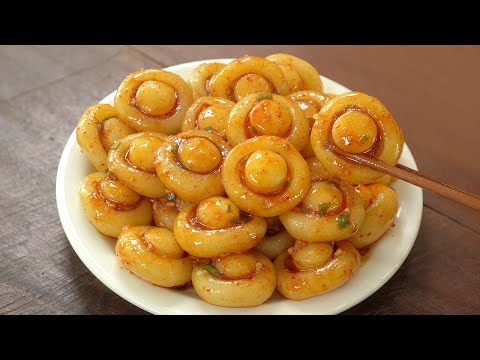
Roll dough into small balls (about 2.5cm diameter). Use a clean bottle or your thumb to gently press the top, creating a mushroom shape.
Time: PT5M
Boil Dumplings
Bring a large pot of water to a rolling boil. Add dumplings in batches. Boil for 2 minutes 30 seconds, until they float to the surface and look puffed.
Time: PT5M
Cool Dumplings
Remove dumplings with a slotted spoon. Immediately transfer to a bowl of cold water to stop cooking. Let sit for 1 minute, then drain well.
Time: PT2M
Prepare Seasoning Sauce
In a bowl, combine 14g chopped garlic, 32g soy sauce, 3g sugar, 4g chili powder, and 9g chopped green onion.
Time: PT2M
Heat Oil
In a small saucepan, heat 24g (3 Tbsp) avocado oil until shimmering but not smoking.
Time: PT2M
Finish Seasoning
Carefully pour hot oil over the seasoning sauce. Mix well.
Time: PT1M
Combine and Serve
Toss drained dumplings in the seasoned sauce until evenly coated. Serve immediately.
Time: PT2M
Nutrition Facts
- Calories
- 320
- Protein
- 3g
- Carbohydrates
- 68g
- Fat
- 5g
- Fiber
- 3g
Dietary info: Vegan, Vegetarian, Gluten-free (if using gluten-free soy sauce), low-calorie, low-fat
Allergens: Soy
Ingredient Substitutions
- Instead of Potatoes: Yukon Gold potatoes
- Instead of Potato starch: Tapioca starch (texture will differ)
- Instead of Chopped garlic: Garlic paste
- Instead of Soy sauce: Tamari (gluten-free)
- Instead of Sugar: Honey, Maple syrup
- Instead of Chili powder: Paprika (milder), Cayenne (spicier)
- Instead of Chopped green onion: Chives
- Instead of Avocado oil: Canola oil, Vegetable oil
Equipment Needed
- Microwave
- Plastic wrap
- Large mixing bowl
- Potato masher or fork
- Measuring cup and spoons
- Pot (for boiling)
- Slotted spoon
- Bowl (for cold water)
- Bottle (for shaping) (optional)
- Small saucepan
- Mixing spoon or spatula
Critical Steps — Do Not Skip
- Microwaving potatoes until fully cooked and soft.
- Mashing potatoes until smooth.
- Mixing dough to the correct consistency (soft, not cracking).
- Boiling dumplings until they float and puff.
- Heating oil and pouring over seasoning safely.
Chef Tips from the Video
- Use gochugaru (Korean chili flakes) for authentic flavor and color.
- For extra flavor, add a splash of sesame oil to the sauce.
- Uniform dumpling size ensures even cooking and texture.
Troubleshooting
Dough cracks when shaping.
Add a little more water and knead until smooth.
Dumplings fall apart when boiling.
Dough may be too wet; add more potato starch and reshape.
Dumplings are dense, not chewy.
Ensure potatoes are mashed very finely and dough is not too dry.
Sauce is too spicy.
Reduce chili powder or use a milder variety.
Storage
Refrigerator: Store in an airtight container for up to 3 days. Reheat gently in microwave or steam.
Freezer: Freeze boiled, unseasoned dumplings for up to 1 month. Thaw and reheat before saucing.
Room temperature: Best consumed within 2 hours at room temperature.
Make-Ahead Tips
- Shape and boil dumplings ahead, then store in the refrigerator. Toss with sauce just before serving.
- Freeze boiled dumplings (without sauce) for quick snacks.
Frequently Asked Questions
What is the cultural significance and history of Korean Chewy Potato Mushroom Dumplings (Gamja Mushroom Tteok) in Korean cuisine?
Korean Chewy Potato Mushroom Dumplings (Gamja Mushroom Tteok) are a modern twist on traditional Korean tteok, which are rice cakes celebrated for their chewy texture. The dish reflects Korea's love for comfort snacks that blend staple ingredients like potatoes with familiar dumpling shapes. It has become popular as a playful street‑food‑inspired snack that honors the Korean tradition of making bite‑size, shareable dishes.
What are the traditional regional variations of Korean Chewy Potato Mushroom Dumplings (Gamja Mushroom Tteok) within Korea?
While the base recipe uses mashed potatoes and potato starch, regional twists include adding sweet potato in Jeju, incorporating gochujang‑spiced sauce in Gyeongsang, or using glutinous rice flour instead of potato starch in the central provinces. Some areas garnish the dumplings with toasted seaweed flakes or toasted sesame seeds to reflect local flavor preferences.
How are Korean Chewy Potato Mushroom Dumplings (Gamja Mushroom Tteok) authentically served in Korean households or street‑food settings?
In Korean households, the dumplings are typically served warm as a banchan (side dish) with a light soy‑garlic dipping sauce and a sprinkle of toasted sesame seeds. Street‑food vendors often toss them in a spicy gochujang glaze and serve them on a wooden tray alongside pickled radish for contrast.
On what occasions or celebrations are Korean Chewy Potato Mushroom Dumplings (Gamja Mushroom Tteok) traditionally enjoyed in Korean culture?
These chewy dumplings are popular during family gatherings, school festivals, and holiday snacks such as Chuseok, where they are offered as a fun alternative to traditional rice cakes. They are also served at birthday parties and community events because they are easy to share and appeal to both children and adults.
How does Korean Chewy Potato Mushroom Dumplings (Gamja Mushroom Tteok) fit into the broader Korean cuisine tradition of snack and side dishes?
The dish embodies the Korean concept of anju—small, flavorful bites enjoyed with drinks or as part of a larger meal. Its chewy texture aligns with the Korean love for tteok‑style foods, while the savory garlic‑soy glaze reflects the typical seasoning profile found in many Korean side dishes.
What are the authentic traditional ingredients for Korean Chewy Potato Mushroom Dumplings (Gamja Mushroom Tteok) versus acceptable modern substitutes?
Authentic ingredients include regular potatoes, potato starch, water, chopped garlic, and Korean soy sauce. Modern cooks may substitute sweet potatoes for a sweeter flavor, use tapioca starch or glutinous rice flour for extra chewiness, and opt for low‑sodium soy sauce or tamari for a lighter salt profile.
What other Korean dishes pair well with Korean Chewy Potato Mushroom Dumplings (Gamja Mushroom Tteok)?
These dumplings complement spicy kimchi, a cold noodle dish like naengmyeon, and savory Korean pancakes such as pajeon. A side of seasoned bean sprouts (kongnamul) or a light cucumber‑miso salad also balances the richness of the soy‑garlic glaze.
What are the most common mistakes to avoid when making Korean Chewy Potato Mushroom Dumplings (Gamja Mushroom Tteok) at home?
Common pitfalls include over‑mixing the mashed potatoes, which can make the dough gummy, and adding too much water, which weakens the starch binding. Additionally, failing to seal the dumpling edges tightly can cause the shape to fall apart during boiling, and over‑boiling can turn the dumplings mushy rather than chewy.
What texture and appearance should I look for when shaping and cooking Korean Chewy Potato Mushroom Dumplings (Gamja Mushroom Tteok)?
The dumplings should feel smooth and slightly tacky in the hands, with a firm but springy bite after cooking. When boiled, they become semi‑translucent and retain a rounded mushroom‑like silhouette; after tossing in the soy‑garlic sauce they develop a glossy, lightly browned surface.
What does the YouTube channel Unknown specialize in, and how does its cooking style influence the Korean Chewy Potato Mushroom Dumplings (Gamja Mushroom Tteok) recipe?
The YouTube channel Unknown focuses on Korean home‑cooking tutorials that emphasize simple, ingredient‑driven recipes suitable for everyday cooks. Its style highlights clear step‑by‑step visuals and practical tips, which is reflected in the straightforward preparation method and the emphasis on achieving the perfect chewy texture for the Korean Chewy Potato Mushroom Dumplings (Gamja Mushroom Tteok).
Last updated: August 20, 2026