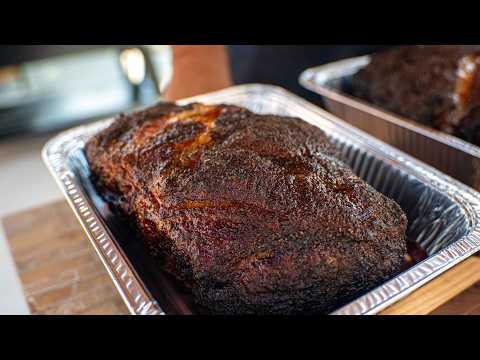
Smoked Pickled Pork
Smoked Pickled Pork is a medium Australian-American BBQ recipe that serves 8. 320 calories per serving.
Prep: 25 min | Cook: 6 hrs | Total: 6 hrs 55 min
Cost: $21.70 total, $2.71 per serving
Ingredients
- 1.5-2 kg Pickled pork roast (Look for a pickled pork roast with netting; 7Point Farms or similar)
- 3-4 tbsp Texas grill seasoning rub (Commercial blend, e.g. from Aldi; or use your favorite BBQ rub)
- as needed Paper towels (For drying pork)
Instructions
Unpack and Drain Pickled Pork
Carefully cut open the packaging of the pickled pork roast over the sink. Drain off all pickling liquid. Be cautious as there may be a lot of liquid.
Time: PT3M
Remove Netting and Trim Fat
Remove any netting from the pork. Using a sharp knife, trim off excess hard fat, leaving a thin layer for flavor. Remove any large, chunky pieces of fat to allow the rub to penetrate.
Time: PT7M
Dry the Pork Thoroughly
Pat the pork dry on all sides with paper towels, especially under the fat cap where moisture collects.
Time: PT3M
Apply the Texas Grill Rub
Sprinkle a generous, even layer of Texas grill seasoning over all sides of the pork. Pat the rub onto the meat to help it adhere. Use one hand for the meat and one for the rub to avoid cross-contamination.
Time: PT5M
Rest with Rub
Let the seasoned pork sit at room temperature for 10 minutes to allow the rub to penetrate.
Time: PT10M
Preheat Smoker
Preheat your smoker to 150°C (302°F) with a water pan set up for indirect cooking.
Time: PT7M
Temperature: 150°C
Smoke at 150°C
Place the pork on the smoker over the water pan. Smoke at 150°C for 30 minutes.
Time: PT30M
Temperature: 150°C
Reduce Temperature and Continue Smoking
After 30 minutes, reduce the smoker temperature to 100°C (212°F). Continue to smoke the pork for another 5.5 hours, maintaining a steady temperature.
Time: PT5H30M
Temperature: 100°C
Rest and Slice
Remove the pork from the smoker and let it rest, loosely tented with foil, for at least 10 minutes before slicing or shredding.
Time: PT10M
Cleanup
Wash all utensils, cutting boards, smoker racks, and clean up any spills. Dispose of fat trimmings and used paper towels.
Time: PT30M
Nutrition Facts
- Calories
- 320
- Protein
- 28g
- Carbohydrates
- 2g
- Fat
- 22g
- Fiber
- 0g
Dietary info: Gluten-Free (if rub is GF), Dairy-Free, Nut-Free, low-carb, keto-friendly, low-calorie
Allergens: None (unless rub contains allergens such as mustard or gluten—check label)
Ingredient Substitutions
- Instead of Pickled pork roast: Uncured pork shoulder (brine yourself)
- Instead of Texas grill seasoning rub: Homemade BBQ rub (paprika, garlic powder, onion powder, salt, pepper, brown sugar, chili powder)
- Instead of Paper towels: Clean kitchen towels
Equipment Needed
- Sharp chef's knife
- Cutting board
- Smoker (with water pan)
- Tongs
- Disposable gloves (optional)
- Small bowl (for rub) (optional)
- Meat thermometer (optional)
Critical Steps — Do Not Skip
- Remove netting and trim fat carefully for even cooking and flavor penetration.
- Dry the pork thoroughly before seasoning.
- Apply rub evenly and let it rest for full flavor.
- Maintain correct smoker temperatures for the correct times.
- Rest the pork after smoking before slicing.
Chef Tips from the Video
- Let the pork come close to room temperature before smoking for more even cooking.
- Use a water pan to keep the environment moist and prevent the pork from drying out.
- For extra flavor, add wood chips of your choice to the smoker.
Troubleshooting
Pork is dry.
Ensure you do not over-trim the fat; maintain a steady low temperature and do not overcook.
Pork is too salty.
Rinse pickled pork briefly before drying, or soak in water for 30 minutes and pat dry.
Rub falls off during smoking.
Pat the pork very dry before applying rub and let it rest with the rub before smoking.
Smoker temperature fluctuates.
Monitor fuel and airflow; use a digital thermometer for accuracy.
Storage
Refrigerator: Store cooled, sliced pork in an airtight container for up to 4 days.
Freezer: Freeze tightly wrapped portions for up to 3 months.
Room temperature: Do not leave cooked pork at room temperature for more than 2 hours.
Make-Ahead Tips
- Trim and season the pork up to 24 hours ahead; refrigerate until ready to smoke.
- Leftovers reheat well for sandwiches or salads.
Frequently Asked Questions
What is the cultural significance and history of Smoked Pickled Pork in Australian-American BBQ cuisine?
Smoked Pickled Pork reflects the melding of Australian barbecuing with American Texas‑style influences, emerging in the late 20th century as pitmasters experimented with brined pork to create a tangy, smoky centerpiece for communal feasts.
What are the traditional regional variations of Smoked Pickled Pork in Australian versus American BBQ within Australian-American BBQ cuisine?
In Australia the pork is often smoked over native hardwoods and served with beetroot relish, while in American Texas‑style BBQ it is typically smoked with oak and paired with coleslaw or pickled jalapeños, highlighting each region's preferred wood and side dishes.
What is the authentic traditional way Smoked Pickled Pork is served in Australian-American BBQ culture?
Traditionally, Smoked Pickled Pork is sliced thin and presented on a rustic wooden board alongside pickled vegetables, fresh crusty bread, and a side of BBQ sauce, allowing guests to assemble bite‑size portions at the table.
What occasions or celebrations is Smoked Pickled Pork traditionally associated with in Australian-American BBQ culture?
Smoked Pickled Pork is a staple at Australia Day barbecues, Christmas gatherings, and American‑style tailgate parties, symbolizing hearty communal dining and the fusion of the two barbecue traditions.
How does Smoked Pickled Pork fit into the broader Australian-American BBQ cuisine tradition?
It embodies the Australian‑American BBQ tradition of combining slow‑smoking techniques with bold, smoky rubs, showcasing a cross‑cultural exchange that highlights both the tang of pickling and the depth of Texas‑style seasoning.
What are the authentic traditional ingredients for Smoked Pickled Pork versus acceptable substitutes in Australian-American BBQ cuisine?
Authentic ingredients include a pork roast cured in a vinegar‑sugar brine, a Texas‑style grill seasoning rub, and paper towels for drying; acceptable substitutes are a honey‑mustard glaze for the brine or using kosher salt in place of the specific rub while maintaining the flavor profile.
What other Australian-American BBQ dishes pair well with Smoked Pickled Pork?
Great pairings include grilled corn on the cob with butter, an Australian beetroot salad, and classic American baked beans, creating a balanced spread of sweet, smoky, and tangy flavors.
What makes Smoked Pickled Pork special or unique in Australian-American BBQ cuisine?
Its uniqueness lies in the combination of a tangy pickling brine with a smoky Texas rub, delivering a juicy, tender texture and a distinctive flavor that stands out among typical BBQ pork cuts.
What are the most common mistakes to avoid when making Smoked Pickled Pork at home in Australian-American BBQ style?
Common mistakes include not thoroughly drying the pork before applying the rub, smoking at too high a temperature which can dry the meat, and skipping the full brine soak, all of which can lead to a tough, flavor‑less roast.
Why does this Smoked Pickled Pork recipe use a Texas‑style grill seasoning rub instead of a traditional Australian spice blend?
The Texas‑style rub’s blend of paprika, cumin, and brown sugar complements the acidity of the pickling brine, providing the smoky depth and sweet‑savory balance that a typical Australian spice mix would not achieve.
How do I know when Smoked Pickled Pork is done cooking in Australian-American BBQ preparation?
Smoked Pickled Pork is done when the internal temperature reaches 190‑200 °F (88‑93 °C) and the meat pulls apart easily, showing a dark mahogany bark on the outside and a moist, pink interior.
What does the YouTube channel that posted the Smoked Pickled Pork recipe specialize in?
The YouTube channel that posted the Smoked Pickled Pork recipe focuses on barbecue techniques, offering step‑by‑step guides for smoking meats and sharing flavor‑development tips across a range of cuisines.
Last updated: August 20, 2026