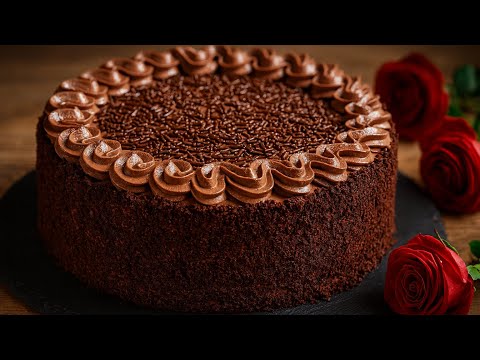
Cake à la ganéenne (Ghana cake)
Cake à la ganéenne (Ghana cake) is a easy Ghanaian recipe that serves 8. 517 calories per serving. Recipe by LA CUISINE D’AMA on YouTube.
Prep: 30 min | Cook: 1 hr | Total: 1 hr 45 min
Cost: $5.16 total, $0.64 per serving
Ingredients
- 250 g Sucre cristallisé (Granulé, tamisé)
- 250 g Beurre doux (ou margarine) (À température ambiante, non salé de préférence)
- 5 unités Œufs (De taille L, à température ambiante)
- 60 ml Lait concentré non sucré (En boîte, bien agité avant usage)
- 1 cuillère à soupe Extrait d'ananas (Arôme naturel, peut être remplacé par essence d'ananas)
- 250 g Farine tout usage (Tamiser avant incorporation)
- 0.5 cuillère à soupe Levure chimique (baking powder) (Environ 2,5 g)
- 1 cuillère à café Noix de muscade moulue (De préférence fraîchement râpée)
- 20 g Beurre pour graisser le moule (Beurre ramolli)
- 10 g Farine pour fariner le moule (Petite quantité pour éviter que le gâteau colle)
Instructions
Préparer le moule
Beurrez le moule en silicone avec le beurre ramolli, puis saupoudrez légèrement de farine et tapotez pour enlever l'excédent.
Time: PT5M
Préchauffer le four
Allumez le four et réglez-le à 180 °C. Laissez-le chauffer pendant que vous préparez la pâte.
Time: PT5M
Temperature: 180°C
Crémer le sucre et le beurre
Dans le bol, versez le sucre cristallisé et le beurre (ou la margarine). Battez à vitesse moyenne jusqu’à obtenir un mélange pâle et aéré.
Time: PT5M
Incorporer les œufs un à un
Ajoutez les œufs un par un, en battant quelques secondes après chaque ajout pour bien les incorporer.
Time: PT5M
Ajouter le lait concentré et l'extrait d'ananas
Versez le lait concentré non sucré puis l'extrait d'ananas. Mélangez 10 secondes à vitesse basse.
Time: PT2M
Incorporer la farine, la levure et la muscade
Tamisez la farine, ajoutez la levure chimique et la noix de muscade. Mélangez à basse vitesse jusqu’à obtenir une pâte lisse.
Time: PT3M
Verser la pâte dans le moule
Transférez la pâte dans le moule préparé et lissez le dessus avec la spatule.
Time: PT2M
Cuisson au four
Enfournez le cake à 170 °C pendant environ 1 heure. Vérifiez la cuisson avec un cure‑dent qui doit ressortir propre.
Time: PT1H
Temperature: 170°C
Refroidir le cake
Laissez le cake reposer 5 minutes dans le moule, puis démoulez-le sur une grille et laissez refroidir complètement avant de le couper.
Time: PT15M
Nutrition Facts
- Calories
- 517
- Protein
- 5 g
- Carbohydrates
- 64 g
- Fat
- 32 g
- Fiber
- 1 g
Dietary info: vegetarian, contains dairy, contains eggs
Allergens: œufs, lait, gluten, beurre
Ingredient Substitutions
- Instead of Sucre cristallisé: Sucre de canne, Sucre brun
- Instead of Beurre doux (ou margarine): Margarine, Huile végétale (non recommandée)
- Instead of Œufs: Œufs de poule, Œufs de canard
- Instead of Lait concentré non sucré: Lait évaporé, Lait concentré sucré (réduire le sucre)
- Instead of Extrait d'ananas: Extrait de vanille, Jus d'ananas
- Instead of Farine tout usage: Farine de blé complet, Farine sans gluten
- Instead of Levure chimique (baking powder): Bicarbonate de soude + crème de tartre
- Instead of Noix de muscade moulue: Cannelle, Gingembre moulu
- Instead of Beurre pour graisser le moule: Margarine
- Instead of Farine pour fariner le moule: Semoule fine
Equipment Needed
- Moule en silicone (20 cm)
- Four
- Mixeur électrique (ou batteur à main)
- Bol à mélanger (grand)
- Spatule en silicone
- Grille de refroidissement (optional)
- Balance de cuisine
- Cuillères à mesurer
- Tamis (optional)
Critical Steps — Do Not Skip
- Beurrer et fariner le moule
- Crémer le sucre et le beurre
- Incorporer les œufs un à un
- Incorporer la farine, la levure et la muscade
- Cuisson au four
Chef Tips from the Video
- Utilisez du beurre à température ambiante pour un meilleur crémeux
- Râpez la muscade fraîche pour un arôme plus intense
- Ajoutez une pincée de sel pour équilibrer le sucre
Troubleshooting
Le gâteau est trop dense
Ne pas trop mélanger la pâte après l’ajout de la farine et assurez‑vous que le beurre et le sucre sont bien crémeux.
Le gâteau ne lève pas
Vérifiez que la levure chimique est encore active (testez dans un peu d’eau chaude) et que le four était bien préchauffé à 170 °C.
Le gâteau colle au moule
Assurez‑vous d’avoir bien beurré et fariné le moule, ou utilisez un spray de démoulage.
Storage
Refrigerator: Conserver le cake dans un récipient hermétique, il se garde 3 à 4 jours.
Freezer: Emballer le cake dans du film plastique puis dans un sac congélation, il se conserve jusqu’à 2 mois.
Room temperature: À température ambiante, le cake reste frais 1 jour, puis il faut le réfrigérer.
Make-Ahead Tips
- Le cake se conserve bien au réfrigérateur, vous pouvez le préparer la veille
- Coupez le cake en cubes et congelez‑le pour des portions individuelles
Frequently Asked Questions
What is the cultural significance and history of Cake à la ganéenne (Ghana cake) in Ghanaian cuisine?
Cake à la ganéenne (Ghana cake) originated in the coastal regions of Ghana where tropical fruits like pineapple are abundant. It became popular during colonial times as a fusion of European cake techniques with local flavors, symbolizing hospitality and celebration. Today it is cherished as a comforting dessert that reflects Ghana's blend of tradition and modernity.
What are the traditional regional variations of Cake à la ganéenne (Ghana cake) within Ghana?
In the Ashanti region, the cake is often flavored with ground ginger and honey instead of pineapple, while in the Greater Accra area the classic pineapple and nutmeg version is preferred. Coastal towns may add grated coconut for extra texture, and some northern variations incorporate millet flour for a denser crumb. These regional tweaks showcase local ingredient availability and taste preferences.
How is Cake à la ganéenne (Ghana cake) authentically served in Ghanaian households or celebrations?
Traditionally, Cake à la ganéenne (Ghana cake) is served at room temperature, sliced into generous wedges and accompanied by a cup of hot tea or coffee. During festivals and family gatherings, it is often presented on a decorative platter with fresh pineapple slices or a light dusting of powdered sugar. The cake is meant to be shared, emphasizing community and togetherness.
On what occasions or celebrations is Cake à la ganéenne (Ghana cake) traditionally associated in Ghanaian culture?
Cake à la ganéenne (Ghana cake) is a staple at birthdays, weddings, and naming ceremonies, where its sweet, moist texture complements the festive atmosphere. It is also commonly prepared for Easter and Christmas brunches, reflecting its role as a special treat for holidays. In many Ghanaian homes, the cake is baked for visitors as a sign of welcome.
What makes Cake à la ganéenne (Ghana cake) special or unique in Ghanaian dessert tradition?
The cake’s distinct pineapple aroma combined with warm nutmeg sets it apart from other Ghanaian sweets that rely heavily on cocoa or groundnuts. Its use of sweetened condensed milk creates a tender crumb that stays moist for days, a technique inherited from colonial baking. This balance of tropical fruit and spice embodies Ghana’s culinary identity.
What are the authentic traditional ingredients for Cake à la ganéenne (Ghana cake) versus acceptable modern substitutes?
Authentic ingredients include crystalized sugar, unsalted butter (or traditional margarine), fresh eggs, unsweetened condensed milk, pineapple extract, and ground nutmeg. Modern cooks may substitute margarine with plant‑based butter, use coconut milk instead of condensed milk for a lighter version, or replace pineapple extract with fresh crushed pineapple. These swaps retain the flavor profile while accommodating dietary preferences.
What are the most common mistakes to avoid when making Cake à la ganéenne (Ghana cake) using the YouTube channel LA CUISINE D’AMA recipe?
A frequent error is over‑mixing the batter, which can develop gluten and result in a dense cake rather than a fluffy crumb. Another mistake is opening the oven too early, causing the cake to collapse. Finally, using cold butter instead of softened butter can prevent proper creaming, leading to an uneven texture.
How do I know when Cake à la ganéenne (Ghana cake) is done baking and what texture and appearance should I look for?
The cake is done when the top turns a golden‑brown hue and a toothpick inserted into the center comes out clean or with only a few moist crumbs. The sides should pull slightly away from the silicone mold, indicating a fully set crumb. The interior should be moist yet spring back lightly when pressed with a fingertip.
What does the YouTube channel LA CUISINE D’AMA specialize in in terms of Ghanaian and African cooking content?
The YouTube channel LA CUISINE D’AMA specializes in showcasing authentic Ghanaian home cooking, street‑food favorites, and broader West African recipes. It focuses on step‑by‑step tutorials that highlight traditional ingredients, cultural stories, and practical tips for home cooks worldwide. The channel also explores festive dishes and everyday meals that reflect Ghana’s culinary diversity.
What is the cooking philosophy and style of the YouTube channel LA CUISINE D’AMA, and how does it influence the Cake à la ganéenne (Ghana cake) recipe?
LA CUISINE D’AMA follows a philosophy of preserving heritage while making recipes accessible, using clear visuals and simple language. Its style blends modern kitchen tools, like silicone molds, with traditional techniques such as creaming butter and sugar. This approach is evident in the Cake à la ganéenne (Ghana cake) video, where the host respects the classic flavor profile while offering shortcuts for busy cooks.
Last updated: August 19, 2026