

Amazon Associates PartnerTrusted
As an Amazon Associate, we earn from qualifying purchases made through links on this page. This helps support our site at no extra cost to you. Clicking on ingredient or equipment links will take you to amazon.com where you can purchase these items.
Chorba Frik Tunisienne
Soupe traditionnelle tunisienne à base de semoule d'orge (frik), viande et pois chiches, parfumée aux épices, herbes fraîches et concentré de tomate. Idéale pour le Ramadan ou les soirées d'hiver.
Shop all ingredients on Amazon in one click • Printable PDF with shopping checklist
Cost Breakdown
Critical Success Points
- • Faire dorer la viande avant la cuisson sous pression.
- • Ne pas laisser le frik coller au fond en remuant dès l'ajout.
- • Cuisson sous pression du frik pour obtenir une texture tendre.
Safety Warnings
- • Manipuler l'huile chaude avec précaution pour éviter les éclaboussures.
- • Respecter les consignes de sécurité de la cocotte minute (ne pas dépasser le niveau maximal d'eau).
- • Utiliser des gants ou un chiffon épais lors de l'ouverture de la cocotte sous pression.
Frequently Asked Questions
Everything you need to know about this recipe
What is the cultural significance and history of Chorba Frik Tunisienne in Tunisian cuisine?
Chorba Frik Tunisienne is a staple winter soup that dates back to Ottoman-era Tunisia, where barley and wheat grains were common staples. It became especially popular during Ramadan as a nourishing, hearty starter that provides energy after fasting. The dish reflects Tunisia's blend of Mediterranean and North African culinary traditions.
What are the traditional regional variations of Chorba Frik Tunisienne in different parts of Tunisia?
In the coastal regions, cooks often add fresh fish or shellfish to Chorba Frik Tunisienne, while in the interior, lamb or beef is preferred. Some families in the south enrich the broth with preserved lemons and harissa for extra heat. The base of frik (cracked wheat) remains constant, but spices and protein choices vary by region.
How is Chorba Frik Tunisienne authentically served in Tunisian households during Ramadan?
During Ramadan, Chorba Frik Tunisienne is traditionally served as the first course after the fast is broken, accompanied by dates and a glass of water. It is presented in shallow bowls, garnished with fresh cilantro, a drizzle of olive oil, and sometimes a squeeze of lemon. The warm, aromatic soup helps re‑hydrate and gently re‑introduce food to the stomach.
What occasions or celebrations is Chorba Frik Tunisienne traditionally associated with in Tunisian culture?
Beyond Ramadan, Chorba Frik Tunisienne is commonly prepared for family gatherings in winter, wedding receptions, and the celebration of the Islamic New Year. Its hearty nature makes it a favorite for cold evenings and communal meals where large groups share a single pot.
How does Chorba Frik Tunisienne fit into the broader Tunisian cuisine tradition?
Chorba Frik Tunisienne exemplifies Tunisian cuisine’s emphasis on fragrant spices, legumes, and grains. It showcases the balance of savory meat, chickpeas, and the nutty flavor of frik, echoing the Tunisian love for soups that are both comforting and nutritionally dense.
What are the authentic traditional ingredients for Chorba Frik Tunisienne versus acceptable substitutes?
The authentic recipe calls for Tunisian frik (cracked barley wheat), lamb or beef, cooked chickpeas, fresh onions, garlic, tomato concentrate, and spices like cumin, coriander, and caraway. If frik is unavailable, fine cracked wheat or bulgur can be used, and chicken can replace lamb for a lighter version, though the flavor profile changes slightly.
What other Tunisian dishes pair well with Chorba Frik Tunisienne?
Chorba Frik Tunisienne pairs beautifully with brik (fried pastry filled with egg), mechouia salad (grilled vegetable salad), and couscous with vegetables. A side of fresh bread, such as tabouna, is also common to soak up the flavorful broth.
What are the most common mistakes to avoid when making Chorba Frik Tunisienne at home?
A frequent error is over‑cooking the frik, which can turn mushy and lose its characteristic bite. Also, adding salt too early can make the chickpeas tough; season gradually and adjust at the end. Finally, neglecting to toast the spices lightly reduces the depth of flavor.
Why does this Chorba Frik Tunisienne recipe use frik (cracked wheat) instead of regular rice or pasta?
Frik absorbs the broth while retaining a firm, slightly chewy texture that complements the tender meat and chickpeas. Its nutty flavor is integral to the traditional Tunisian profile, whereas rice or pasta would dilute the authentic taste and change the soup’s consistency.
How do I know when Chorba Frik Tunisienne is done cooking and what texture should I look for?
The soup is ready when the frik is tender but still distinct, resembling al dente pasta, and the meat easily separates with a fork. The broth should be slightly thickened from the tomato concentrate, and the chickpeas should be soft without falling apart.
What does the YouTube channel Amour de cuisine Soulef specialize in, and how does its cooking style influence the Chorba Frik Tunisienne recipe?
Amour de cuisine Soulef specializes in authentic North African home cooking, focusing on traditional Tunisian recipes with clear, step‑by‑step instructions. The channel’s style emphasizes using locally sourced ingredients and preserving cultural techniques, which is evident in the careful handling of frik and the balance of spices in the Chorba Frik Tunisienne video.
You Might Also Like
Similar recipes converted from YouTube cooking videos

Fricassés tunisiens
Petits pains frits tunisiens, creux à l'intérieur, à garnir de pommes de terre, œufs durs, thon, olives et harissa. Une recette traditionnelle, simple à réaliser à la maison.
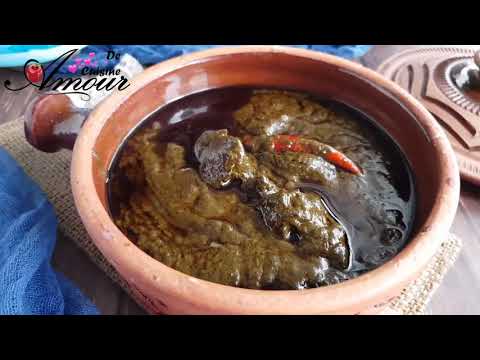
Lamrija d'agneau (ragoût tunisien à la sauce onctueuse)
Lamrija d'agneau est un plat traditionnel tunisien, riche et crémeux grâce à une pâte d'huile et de farine épicée qui donne à la sauce une texture onctueuse. Le ragoût mijote longtemps, libérant les arômes de la coriandre, du carvi, du poivre noir et du laurier, tandis que la viande d'agneau devient fondante. Servi chaud, il accompagne parfaitement du pain maison ou du couscous.
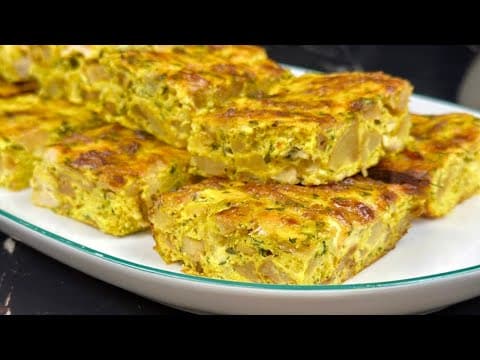
Tajine tunisien
Un tajine tunisien savoureux, mélange d'œufs, de pommes de terre dorées, de poulet épicé, de fromage fondant et de persil frais, cuit au four jusqu'à obtenir une croûte dorée. Facile à préparer, idéal pour un repas convivial.
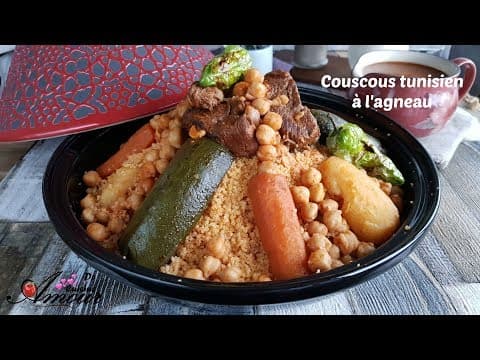
Couscous tunisien à la viande d'âne
Découvrez la recette authentique du couscous tunisien à la viande d'âne, préparée avec des légumes, des pois chiches et un mélange d'épices « table ». Le couscous est cuit à la vapeur pour une texture fondante, puis arrosé d'une sauce épaisse et savoureuse. Idéal pour un repas convivial de 5 personnes.
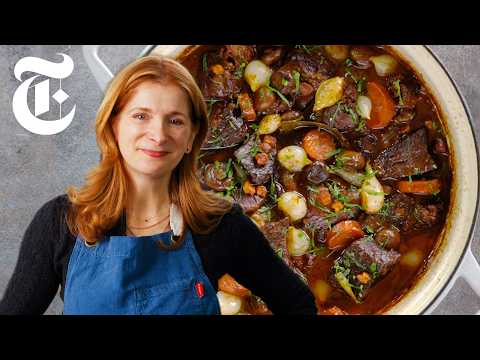
Beef Bourguignon
A classic French braised beef stew made with chuck, lardons, red Burgundy (or any dry red wine), carrots, onions, mushrooms, and pearl onions. The meat becomes melt‑in‑your‑mouth tender, the sauce is rich and wine‑infused, and the dish is perfect for a comforting dinner.
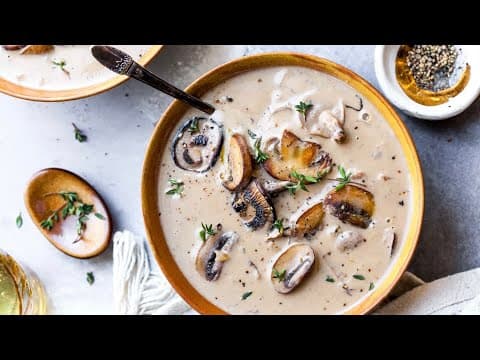
Velouté de champignons
Un velouté de champignons crémeux, onctueux et réconfortant, préparé avec un bouillon maison, des champignons frais, de la crème et des croûtons parfumés au paprika fumé. Idéal pour un dîner léger ou comme entrée élégante.