

Amazon Associates PartnerTrusted
As an Amazon Associate, we earn from qualifying purchases made through links on this page. This helps support our site at no extra cost to you. Clicking on ingredient or equipment links will take you to amazon.com where you can purchase these items.
Coquilles Saint-Jacques à la Bretonne
Une entrée raffinée venue tout droit de Bretagne : des coquilles Saint-Jacques fraîches nappées d'une sauce onctueuse au beurre blanc, crème fraîche, vin blanc, parfumées aux échalotes, oignon, persil et ciboulette, puis gratinées avec une chapelure maison et un peu de beurre. Idéale pour les fêtes ou la saison des Saint-Jacques (octobre à mai).
Shop all ingredients on Amazon in one click • Printable PDF with shopping checklist
Cost Breakdown
Critical Success Points
- • Déglacer correctement avec le vin blanc pour récupérer les sucs.
- • Ne pas trop cuire les coquilles Saint-Jacques avant le passage au four.
- • Respecter la température du four (210 °C) pour une coloration optimale.
- • Surveiller la réduction de la sauce afin qu'elle épaississe sans brûler.
Safety Warnings
- • Manipuler les coquilles Saint-Jacques crues avec des mains propres pour éviter toute contamination.
- • Faire attention aux éclaboussures de vin chaud lors du déglacage.
- • Utiliser des gants ou des maniques pour sortir le plat du four très chaud.
Frequently Asked Questions
Everything you need to know about this recipe
What is the cultural significance and history of Coquilles Saint-Jacques à la Bretonne in French cuisine, especially in Brittany?
Coquilles Saint-Jacques à la Bretonne is a classic Breton appetizer that celebrates the region’s abundant scallop harvests, traditionally enjoyed during the autumn and winter months when scallops are at their peak. The dish dates back to the 19th century when Breton fishermen began serving the shells with a rich butter‑white sauce to highlight the delicate flavor of the scallops. It remains a symbol of coastal French hospitality and seasonal luxury.
What are the traditional regional variations of Coquilles Saint-Jacques à la Bretonne in French cuisine across different regions of France?
While the Breton version emphasizes a beurre blanc sauce with parsley and chives, the Normandy variation often adds a splash of Calvados brandy and uses cream more heavily. In the Provence area, the sauce may include a hint of saffron and be finished with breadcrumbs seasoned with Herbes de Provence. Each region adapts the base recipe to local flavors while keeping the scallops in their shells.
How is Coquilles Saint-Jacques à la Bretonne authentically served in Brittany, and what accompaniments are typical?
In Brittany, Coquilles Saint-Jacques à la Bretonne is served hot in its shells on a shallow platter, often accompanied by a crisp green salad dressed with a light vinaigrette. A glass of dry white wine from the nearby Muscadet or a light cider complements the buttery sauce. Some tables also offer a slice of fresh baguette to soak up the remaining sauce.
On what occasions or celebrations is Coquilles Saint-Jacques à la Bretonne traditionally associated in French culture?
Coquilles Saint-Jacques à la Bretonne is a favorite for holiday celebrations such as Christmas Eve (Réveillon) and New Year’s gatherings in Brittany, where it is served as an elegant starter. It is also popular during local seafood festivals and during the scallop season from October to May, marking the bounty of the Breton coast.
How does Coquilles Saint-Jacques à la Bretonne fit into the broader French cuisine tradition of seafood appetizers?
The dish exemplifies the French tradition of highlighting fresh, high‑quality seafood with a luxurious yet simple sauce, a hallmark of classic French gastronomy. Its use of butter, white wine, and fresh herbs reflects the French emphasis on balance and refinement, making it a quintessential entrée in the repertoire of French seafood appetizers.
What are the authentic traditional ingredients for Coquilles Saint-Jacques à la Bretonne versus acceptable substitutes?
Authentic ingredients include fresh Coquilles Saint-Jacques still in their shells, demi‑salted Breton butter, dry white wine, finely chopped shallots, a small yellow onion, parsley, chives, and a light breadcrumb topping. Acceptable substitutes are unsalted butter (if demi‑salted is unavailable), a dry white wine such as Sauvignon Blanc instead of a regional Muscadet, and panko breadcrumbs for a slightly crispier crust.
What are the most common mistakes to avoid when making Coquilles Saint-Jacques à la Bretonne from the YouTube channel Gourmandises TV - PARIS 🇫🇷 - Cuisine?
Common mistakes include overcooking the scallops, which makes them rubbery, and allowing the butter‑white sauce to boil, which can cause it to separate. It is also important not to under‑season the sauce; a pinch of salt and a splash of lemon juice keep the flavors bright. Finally, avoid using too much breadcrumb, which can dominate the delicate scallop taste.
Why does this Coquilles Saint-Jacques à la Bretonne recipe use a butter‑white sauce (beurre blanc) instead of a cream‑only sauce?
The beurre blanc provides a silky, slightly tangy backdrop that enhances the natural sweetness of the scallops without masking them, whereas a cream‑only sauce can be heavier and less nuanced. The acidity from the white wine and the emulsified butter creates a glossy finish that pairs perfectly with the crisp breadcrumb topping. This technique reflects traditional Breton cooking, which favors butter as a primary flavor carrier.
What does the YouTube channel Gourmandises TV - PARIS 🇫🇷 - Cuisine specialize in, and what type of French recipes does it feature?
Gourmandises TV - PARIS 🇫🇷 - Cuisine specializes in authentic French home cooking, focusing on classic regional dishes from across France. The channel showcases everything from rustic Provençal stews to elegant Breton seafood preparations like Coquilles Saint-Jacques à la Bretonne, often emphasizing seasonal ingredients and traditional techniques.
What is the cooking philosophy and style of the YouTube channel Gourmandises TV - PARIS 🇫🇷 - Cuisine, and how does it approach Breton dishes like Coquilles Saint-Jacques à la Bretonne?
The cooking philosophy of Gourmandises TV - PARIS 🇫🇷 - Cuisine is to honor French culinary heritage while making recipes accessible to home cooks, using clear step‑by‑step instructions and emphasizing technique. For Breton dishes like Coquilles Saint-Jacques à la Bretonne, the channel highlights the importance of fresh local seafood, proper butter‑white sauce preparation, and respectful seasoning to preserve the dish’s regional authenticity.
You Might Also Like
Similar recipes converted from YouTube cooking videos
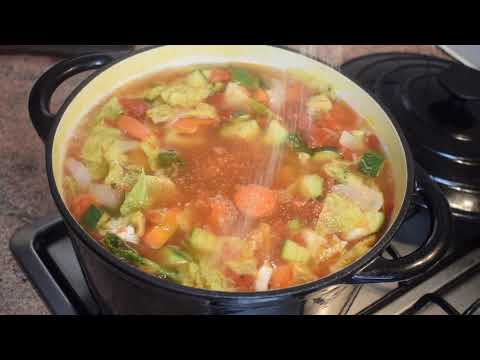
Soupe minceur au poulet et légumes
Une soupe légère et protéinée conçue pour accompagner un régime de perte de poids rapide. Elle combine blanc de poulet, un mélange de légumes (courgette, oignon, chou, carottes, brocoli, chou‑fleur) et tomates concassées, assaisonnée de sel, piment et bouillon de légumes. À consommer trois fois par jour pendant une semaine, accompagnée de deux litres d'eau.

Chouquettes moelleuses à l'intérieur et croustillantes à l'extérieur
Apprenez à réaliser des chouquettes parfaites qui restent légères et ne retombent pas. Cette recette détaille chaque étape, les astuces de cuisson et les conseils de conservation pour obtenir des pâtisseries aérées, légèrement moelleuses à l'intérieur et croquantes à l'extérieur, décorées de sucre perlé.
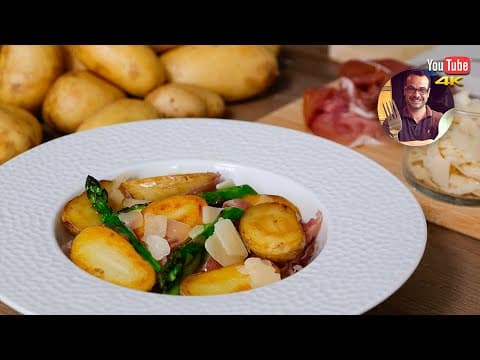
Salade fraîcheur de pommes de terre primeurs aux asperges, jambon cru et parmesan
Une salade tiède et gourmande à base de pommes de terre nouvelles, d'asperges vertes croquantes, de jambon sec et de copeaux de parmesan, le tout légèrement nappé d'huile d'olive. Idéale pour les beaux jours d'été, elle met en valeur les produits de saison de la côte bretonne et méditerranéenne.

Moelleux au chocolat à l'air fryer
Un gâteau moelleux au chocolat préparé dans un air fryer. La recette suit exactement la version traditionnelle au four, adaptée aux contraintes de taille du moule et de cuisson de l'appareil. Idéal pour tester votre air fryer avec un dessert classique.

Bûche Express au chocolat blanc et framboises
Une bûche de Noël ultra‑rapide à réaliser : biscuit à la cuillère moelleux, mousse légère à la crème fouettée parfumée à la framboise et nappage chocolat blanc. Idéale pour les fêtes ou toute occasion, sans pâte à beurre lourde.

Gratin de pommes de terre au jambon et emmental
Un gratin crémeux de pommes de terre fondantes, agrémenté de dés de jambon, d'une sauce œuf‑crème et généreusement recouvert d'emmental gratiné. Idéal pour un dîner réconfortant à la française.