

Amazon Associates PartnerTrusted
As an Amazon Associate, we earn from qualifying purchases made through links on this page. This helps support our site at no extra cost to you. Clicking on ingredient or equipment links will take you to amazon.com where you can purchase these items.
Couscous marocain traditionnel
Apprenez à préparer un couscous marocain authentique, parfumé aux épices, légumes et viande d'agneau, avec une semoule fine parfaitement aérée. Cette recette détaillée vous guide pas à pas, du sauté des aromates à la cuisson à la vapeur de la semoule, pour un repas convivial pour 5 personnes.
Shop all ingredients on Amazon in one click • Printable PDF with shopping checklist
Cost Breakdown
Critical Success Points
- • Faire dorer la viande avec les épices
- • Cuisson à la vapeur de la semoule sans couvrir
- • Ajouter de l'eau froide en plusieurs fois pour hydrater la semoule
- • Éviter de tasser la semoule lors du mélange
Safety Warnings
- • Attention à la vapeur très chaude du couscoussier : porter des gants de cuisine.
- • L'huile chaude peut projeter des gouttes : manipuler avec précaution.
- • Ne pas toucher la semoule immédiatement après la cuisson, elle est très chaude.
Frequently Asked Questions
Everything you need to know about this recipe
What is the cultural significance and history of Couscous marocain traditionnel in Moroccan cuisine?
Couscous marocain traditionnel is considered the national dish of Morocco and has been a staple for centuries, originating from Berber nomadic traditions. It symbolizes hospitality and communal sharing, often prepared for family gatherings and religious festivals. The dish reflects Morocco's blend of Arab, Berber, and Mediterranean influences, making it a cultural cornerstone.
What are the traditional regional variations of Couscous marocain traditionnel in Moroccan cuisine?
In the north of Morocco, Couscous marocain traditionnel often includes seafood and a lighter broth, while in the central Atlas regions it is richer with lamb shoulder, dried fruits, and a spicier ras el hanout blend. The southern desert regions may add caramelized onions and a touch of cinnamon. Each variation reflects local ingredient availability and tribal customs.
What is the authentic traditional way Couscous marocain traditionnel is served in Moroccan culture?
Traditionally, Couscous marocain traditionnel is served on a large communal platter with a deep well of aromatic broth in the center, surrounded by steamed semolina, tender lamb pieces, and a colorful array of cooked vegetables. It is eaten with the hands using a piece of bread to scoop the couscous, emphasizing togetherness. Garnishes like toasted almonds, raisins, and fresh cilantro are added just before serving.
On which occasions or celebrations is Couscous marocain traditionnel traditionally associated in Moroccan culture?
Couscous marocain traditionnel is commonly prepared for Friday family lunches, Eid al-Fitr, weddings, and harvest festivals such as the Feast of the Olive. It is also a staple during the holy month of Ramadan for the evening Iftar meal, symbolizing abundance and gratitude. The dish’s versatility makes it suitable for both everyday meals and special ceremonies.
How does Couscous marocain traditionnel fit into the broader Moroccan cuisine tradition?
Couscous marocain traditionnel embodies the core principles of Moroccan cuisine: the balance of sweet and savory, the use of aromatic spices, and the emphasis on slow-cooked meats. It serves as a canvas for seasonal vegetables and showcases the Moroccan art of layering flavors, from the initial sauté of onions to the final steam of semolina. The dish also illustrates Morocco’s reliance on communal dining.
What are the authentic traditional ingredients for Couscous marocain traditionnel versus acceptable substitutes?
Authentic ingredients include fine semolina, lamb shoulder or shank, olive oil, onion, ginger powder, ras el hanout, carrots, zucchini, chickpeas, and dried apricots. Acceptable substitutes are beef or chicken instead of lamb, sunflower oil for olive oil, and canned chickpeas if fresh are unavailable. However, swapping the spice blend or omitting dried fruits will change the traditional flavor profile.
What other Moroccan dishes pair well with Couscous marocain traditionnel for a complete meal?
A fresh Moroccan salad such as taktouka (roasted pepper and tomato salad) or a simple carrot and orange salad complements the richness of Couscous marocain traditionnel. Traditional Moroccan mint tea provides a refreshing contrast, while a side of harira soup can be served as a starter. These pairings balance flavors and textures throughout the meal.
What are the most common mistakes to avoid when making Couscous marocain traditionnel at home?
Common mistakes include over‑cooking the semolina, which makes it gummy, and under‑seasoning the broth, leading to a bland flavor. Using too much water when steaming the couscous can cause it to become soggy, and neglecting to toast the spices reduces their aroma. Always fluff the couscous with a fork after steaming to keep it light.
Why does this Couscous marocain traditionnel recipe use steaming the semolina instead of boiling it directly in the broth?
Steaming the semolina preserves its delicate texture, allowing each grain to remain separate and airy, which is essential for authentic Couscous marocain traditionnel. Boiling would saturate the couscous, making it heavy and clumpy, and would also dilute the spices in the broth. The traditional steam method also helps the couscous absorb the aromatic steam from the broth without becoming mushy.
How can I tell when Couscous marocain traditionnel is perfectly cooked and ready to serve?
Perfectly cooked Couscous marocain traditionnel should be light, fluffy, and slightly moist, with each grain separating easily when fluffed with a fork. The semolina should have a subtle sheen from the olive oil and no gritty texture. The lamb should be tender and the vegetables soft but not falling apart, indicating the dish is ready.
What does the YouTube channel Oum Arwa specialize in when it comes to cooking content?
The YouTube channel Oum Arwa specializes in authentic North African home cooking, focusing on traditional Moroccan, Algerian, and Tunisian recipes. It offers step‑by‑step video tutorials that emphasize classic techniques, cultural storytelling, and the use of everyday pantry ingredients. The channel aims to preserve and share family‑passed culinary heritage.
What is the cooking philosophy and style of the YouTube channel Oum Arwa when presenting Moroccan dishes like Couscous marocain traditionnel?
Oum Arwa’s cooking philosophy centers on simplicity, authenticity, and respect for traditional flavor profiles. The style combines clear, concise instructions with cultural context, encouraging viewers to use fresh, locally sourced ingredients while honoring time‑tested methods such as steaming couscous over a simmering broth. The channel also highlights the communal aspect of Moroccan meals.
You Might Also Like
Similar recipes converted from YouTube cooking videos
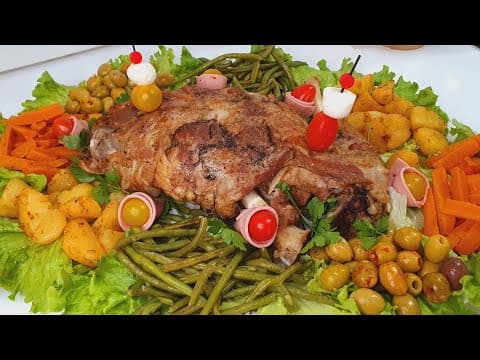
Gigot d'agneau rôti au four avec légumes sautés
Un gigot d'agneau de 3 kg, ultra‑tendre, cuit lentement au four avec du romarin, de l'ail et des graines de coriandre, accompagné de haricots verts, carottes et pommes de terre vapeur légèrement sautés à l'huile d'olive, beurre, cumin et herbes de Provence. Parfait pour un repas familial marocain.

Pastilla au poisson marocaine
Une pastilla savoureuse à base de poisson blanc, crevettes, calamars, champignons et vermicelles, parfumée d'une charmoula épicée et enveloppée dans des feuilles de pâte filo croustillantes. Idéale pour un grand repas convivial de 10 à 12 personnes.

Pastilla aux fruits de mer Express
Des mini pastillas croustillantes aux fruits de mer, parfumées aux épices marocaines, faciles à préparer pour le Ramadan ou toute occasion festive.
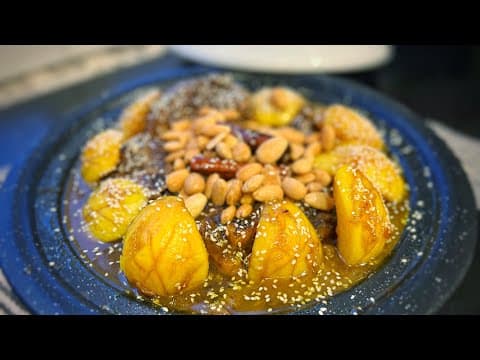
Tajine d'agneau aux poires caramélisées
Un tajine marocain savoureux où la tendreté de l'agneau se marie à la douceur des poires légèrement caramélisées, relevé d'épices chaudes, de beurre, de sucre et de touches croquantes d'amandes et de sésame. Parfait pour un dîner d'automne réconfortant.

Sablés marocains traditionnels
Ces sablés marocains, très friables et parfumés à la vanille, sont la pâte de base utilisée pour les mariages et les fêtes au Maroc. Faciles à préparer en grande quantité, ils se découpent en formes variées et se cuisent rapidement à four à chaleur tournante. Idéaux à déguster nature ou garnis de confiture, caramel au beurre salé ou chocolat.
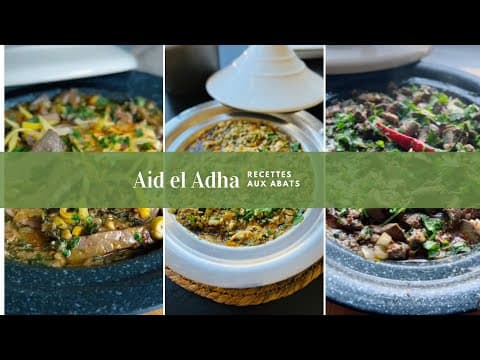
Tajine de foie d'agneau mariné au citron confit et olives
Un tajine marocain parfumé où le foie d'agneau est mariné dans une sauce citronnée, relevé d'ail, de coriandre, de persil et d'olives marinées. Idéal pour la fête du mouton.