

Amazon Associates PartnerTrusted
As an Amazon Associate, we earn from qualifying purchases made through links on this page. This helps support our site at no extra cost to you. Clicking on ingredient or equipment links will take you to amazon.com where you can purchase these items.
Sablés marocains traditionnels
Ces sablés marocains, très friables et parfumés à la vanille, sont la pâte de base utilisée pour les mariages et les fêtes au Maroc. Faciles à préparer en grande quantité, ils se découpent en formes variées et se cuisent rapidement à four à chaleur tournante. Idéaux à déguster nature ou garnis de confiture, caramel au beurre salé ou chocolat.
Shop all ingredients on Amazon in one click • Printable PDF with shopping checklist
Cost Breakdown
Critical Success Points
- • Le beurre doit être à température ambiante pour obtenir une texture lisse.
- • Ne pas trop travailler la pâte afin de conserver son caractère sablé.
- • Laisser la pâte reposer au frais avant de l’étaler pour éviter qu’elle se fissure.
- • Étaler la pâte à environ 2 mm d’épaisseur pour des biscuits fins qui ne gonflent pas.
Safety Warnings
- • Manipuler le four chaud avec des gants de cuisine.
- • Ne pas surchauffer le beurre au micro‑ondes pour éviter qu’il fonde.
- • Faire attention aux couteaux et aux emporte‑pierre tranchants.
Frequently Asked Questions
Everything you need to know about this recipe
What is the cultural significance and history of Sablés marocains traditionnels in Moroccan cuisine?
Sablés marocains traditionnels are a classic Moroccan shortbread that originated as a staple for weddings and festive celebrations. Their buttery, crumbly texture and vanilla aroma symbolize hospitality and generosity in Moroccan culture. Over generations they have become a beloved treat served to honor guests and mark special occasions.
What are the traditional regional variations of Sablés marocains traditionnels in different parts of Morocco?
In northern Morocco the sablés are often flavored with orange blossom water, while in the south they may include almond flour for added richness. Coastal regions sometimes add a hint of sea salt to balance the sweetness. Despite these variations, the core ingredients—soft butter, powdered sugar, eggs, and vanilla—remain consistent across the country.
How are Sablés marocains traditionnels authentically served during Moroccan weddings and celebrations?
At Moroccan weddings, Sablés marocains traditionnels are presented on decorative platters alongside tea, dried fruits, and nuts. They are typically served plain or lightly dusted with powdered sugar, allowing guests to enjoy their delicate crumbly texture. In some regions they are paired with a spoonful of jam or honey for an extra touch of sweetness.
Which occasions or celebrations in Moroccan culture commonly feature Sablés marocains traditionnels?
Sablés marocains traditionnels are traditionally prepared for weddings, Eid al-Fitr, and family gatherings such as birthdays and name‑day celebrations. They are also a favorite during Ramadan evenings when they accompany mint tea. Their easy‑to‑make nature makes them popular for large gatherings where many guests are expected.
What makes Sablés marocains traditionnels special or unique within the broader Moroccan dessert tradition?
Unlike many Moroccan pastries that are honey‑drizzled or syrup‑soaked, Sablés marocains traditionnels rely on a simple butter‑vanilla flavor that highlights the quality of the ingredients. Their crumbly, melt‑in‑the‑mouth texture distinguishes them from denser sweets like ghoriba or chebakia, offering a light contrast on dessert tables.
How have Sablés marocains traditionnels evolved over time in Moroccan culinary heritage?
Originally made with clarified butter (smen) and honey, modern versions like the one on the Oum Arwa YouTube channel use softened butter and powdered sugar for a finer crumb. Contemporary bakers also experiment with added flavors such as citrus zest or almond extract, while still preserving the classic shortbread base that defines the traditional recipe.
What are the most common mistakes to avoid when making Sablés marocains traditionnels from the Oum Arwa YouTube recipe?
Avoid over‑mixing the dough, which can develop gluten and make the sablés tough instead of crumbly. Keep the butter and eggs cold before mixing to maintain a flaky texture, and do not over‑bake; the cookies should be lightly golden on the edges and still pale in the center to stay soft.
Why does the Sablés marocains traditionnels recipe from YouTube channel Oum Arwa use sunflower oil instead of butter alone in the dough?
Sunflower oil is added to create a slightly lighter crumb and to help the dough bind without becoming overly dense. The oil also raises the melting point, allowing the sablés to hold their shape better during the high‑heat fan‑assisted baking recommended in the video.
How can I store Sablés marocains traditionnels made from the Oum Arwa recipe and keep them fresh for later consumption?
Allow the sablés to cool completely, then place them in an airtight container with a sheet of parchment between layers. Store them at room temperature for up to one week, or freeze them in a sealed bag for up to three months; re‑thaw them in a low oven to restore their crispness before serving.
What does the YouTube channel Oum Arwa specialize in, and how does it focus on Moroccan cooking?
The YouTube channel Oum Arwa specializes in authentic Moroccan home cooking, offering step‑by‑step videos of traditional dishes, desserts, and festive recipes. It emphasizes using locally sourced ingredients and preserving culinary heritage, making complex Moroccan flavors accessible to a global audience.
You Might Also Like
Similar recipes converted from YouTube cooking videos

Tajine de chou-fleur aux poivrons rouges (sans plat en terre cuite)
Un tajine végétarien aux saveurs marocaines, réalisé avec du chou‑fleur tendre, des poivrons rouges grillés, des oignons doux et un mélange d’épices aromatiques. Rapide, économique et sans viande, il se prépare dans une sauteuse ou un tajine à revêtement et se déguste chaud, parsemé de persil frais.

Sablés marocains traditionnels
Des sablés marocains moelleux et fondants, idéaux pour les mariages, les fêtes ou le goûter. Cette pâte à base de beurre, sucre glace, huile et farine donne des biscuits sans levure, faciles à façonner et à décorer selon vos envies.
Phrases marocaines aux amandes, sésame et anis
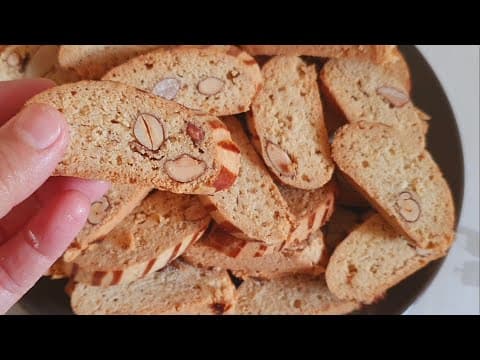
Biscuit marocain traditionnel, croquant grâce aux graines de sésame et aux amandes trempées, parfumé d’anis. Idéal pour l’Aïd ou comme goûter, il ne se casse pas à la cuisson grâce à une technique de repos et de double cuisson.
Caviar d'aubergine marocain
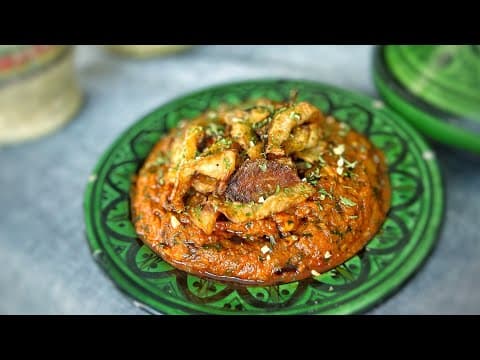
Un caviar d'aubergine à la marocaine, riche en saveurs grâce à des aubergines rôties, une sauce tomate épicée et des chips d'aubergine croustillantes. Parfait en entrée ou en accompagnement, ce plat végétarien allie douceur, fumé et piquant.

Babouches aux graines de sésame et miel
Des babouches marocaines croustillantes à base de graines de sésame torrifiées, frites puis nappées de miel parfumé à l'eau de fleur d'oranger et décorées d'amandes effilées. Une gourmandise sucrée, facile et rapide à préparer.
Sfina d'agneau (vermicelles marocains à la viande)
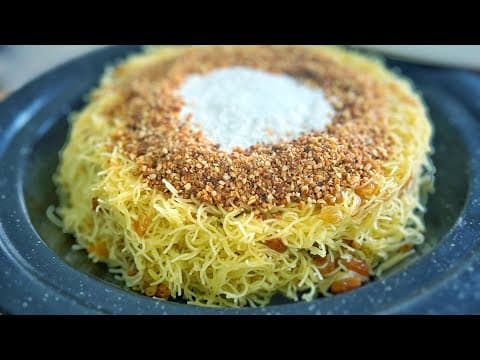
Sfina d'agneau est une spécialité marocaine où les vermicelles légèrement grillés, parfumés à l'eau de fleur d'oranger, sont superposés avec de l'agneau mijoté, des raisins secs et une sauce riche. Le plat se termine par une touche sucrée de sucre glace, de praliné et d'amandes grillées. Idéal pour un repas de fête ou un dimanche gourmand.