

Amazon Associates PartnerTrusted
As an Amazon Associate, we earn from qualifying purchases made through links on this page. This helps support our site at no extra cost to you. Clicking on ingredient or equipment links will take you to amazon.com where you can purchase these items.
Pastilla au poisson marocaine
Une pastilla savoureuse à base de poisson blanc, crevettes, calamars, champignons et vermicelles, parfumée d'une charmoula épicée et enveloppée dans des feuilles de pâte filo croustillantes. Idéale pour un grand repas convivial de 10 à 12 personnes.
Shop all ingredients on Amazon in one click • Printable PDF with shopping checklist
Cost Breakdown
Critical Success Points
- • Préparer les épices et condiments (step 1)
- • Faire revenir les crevettes (step 2)
- • Cuire le cabillaud au four (step 6)
- • Monter la pastilla (step 11)
- • Cuisson finale de la pastilla (step 13)
Safety Warnings
- • Faire attention aux éclaboussures d'huile chaude lors de la cuisson des crevettes et calamars.
- • Manipuler le poisson cru avec des ustensiles propres pour éviter la contamination croisée.
- • Utiliser des gants ou un torchon lorsqu'on manipule la pâte filo chaude pour éviter les brûlures.
Frequently Asked Questions
Everything you need to know about this recipe
What is the cultural significance and history of Pastilla au poisson marocaine in Moroccan cuisine?
Pastilla au poisson marocaine is a festive adaptation of the classic sweet‑savory meat pastilla, reflecting Morocco's coastal influences and the historic trade of spices. Historically, it was served at weddings and large family gatherings to showcase abundant seafood from the Atlantic and Mediterranean coasts. The dish symbolizes hospitality and the blending of Arab, Berber, and Mediterranean culinary traditions.
What are the traditional regional variations of Pastilla au poisson marocaine in different parts of Morocco?
In northern Morocco, the pastilla often includes more saffron‑infused broth and uses local sardines, while in the south, chefs may add preserved lemons and a richer blend of dried herbs. Coastal cities like Essaouira favor fresh calamari and shrimp, whereas inland regions might substitute the fish with river trout. Each variation reflects the locally available seafood and regional spice palettes.
What is the authentic traditional way Pastilla au poisson marocaine is served in Moroccan celebrations?
Traditionally, Pastilla au poisson marocaine is presented on a large platter, dusted with powdered sugar and cinnamon, and garnished with fresh parsley and lemon wedges. It is cut into generous wedges and served hot alongside mint tea or a light harissa‑spiked salad. The sweet‑savory contrast is meant to delight guests during festive meals.
On what occasions or celebrations is Pastilla au poisson marocaine traditionally associated in Moroccan culture?
This seafood pastilla is most commonly prepared for weddings, Eid al‑Fitr, and large family reunions that celebrate the bounty of the sea. It also appears during the harvest festivals of coastal towns where fishermen bring in their catch. The dish’s richness makes it a centerpiece for any celebration that calls for an impressive, shareable entrée.
How does Pastilla au poisson marocaine fit into the broader Moroccan cuisine tradition?
Pastilla au poisson marocaine embodies the Moroccan love for layered textures, aromatic spice blends, and the balance of sweet and savory flavors. It showcases the country's mastery of filo pastry, a legacy of Ottoman influence, while integrating the signature Moroccan charmoula sauce. The dish thus bridges North African culinary heritage with Mediterranean seafood traditions.
What are the authentic traditional ingredients for Pastilla au poisson marocaine versus acceptable substitutes?
Authentic ingredients include white fish such as cod or sea bass, fresh shrimp, calamari, mushrooms, vermicelli, parsley, cilantro, preserved lemon, garlic, and a charmoula made with cumin, paprika, and coriander. Acceptable substitutes are any firm white fish available locally, frozen shrimp, or even tofu for a vegetarian version, and you can replace vermicelli with fine rice noodles if needed.
What other Moroccan dishes pair well with Pastilla au poisson marocaine for a complete meal?
Pastilla au poisson marocaine pairs beautifully with a light Moroccan carrot‑orange salad, a chilled harira soup, or a side of zaalouk (smoked eggplant dip). Serving it alongside couscous with seven vegetables or a simple cucumber‑yogurt raita balances the richness of the pastilla. A glass of Moroccan mint tea completes the traditional dining experience.
What are the most common mistakes to avoid when making Pastilla au poisson marocaine?
Common pitfalls include over‑cooking the seafood, which makes it rubbery, and using soggy filo sheets that lose their crispness. Be careful not to over‑season the charmoula, as it can overpower the delicate fish flavors. Also, ensure the butter‑oil mixture is brushed evenly on each filo layer to prevent tearing.
Why does this Pastilla au poisson marocaine recipe use a charmoula spiced sauce instead of a simple lemon butter glaze?
Charmoula provides a complex blend of herbs, garlic, cumin, and preserved lemon that infuses the fish with authentic Moroccan aromatics, whereas a lemon butter glaze would be one‑dimensional. The spice mix also helps balance the sweet cinnamon‑sugar topping, preserving the traditional sweet‑savory contrast that defines a pastilla. This technique honors the dish’s cultural roots while enhancing flavor depth.
What does the YouTube channel Oum Arwa specialize in?
The YouTube channel Oum Arwa specializes in authentic Moroccan home cooking, featuring traditional recipes, seasonal ingredients, and detailed technique tutorials. The channel emphasizes family‑style meals and cultural storytelling, often highlighting lesser‑known regional dishes. Viewers can expect clear step‑by‑step guidance with a focus on preserving Moroccan culinary heritage.
What is the cooking philosophy and style of the YouTube channel Oum Arwa when presenting Moroccan recipes like Pastilla au poisson marocaine?
Oum Arwa’s cooking philosophy centers on simplicity, authenticity, and respect for traditional flavors, encouraging cooks to use fresh, locally sourced ingredients. Her style combines thorough explanations of spice balances with visual cues, making complex Moroccan dishes like Pastilla au poisson marocaine approachable for home chefs. She also often shares cultural anecdotes that enrich the cooking experience.
You Might Also Like
Similar recipes converted from YouTube cooking videos

Briques au fromage fumé et charcuterie à la marocaine
Petites bouchées croustillantes à base de purée de pommes de terre, fromage cheddar fumé, charcuterie et enveloppées dans des feuilles de brick. Idéales en entrée ou en snack pour un repas inspiré du Maroc.
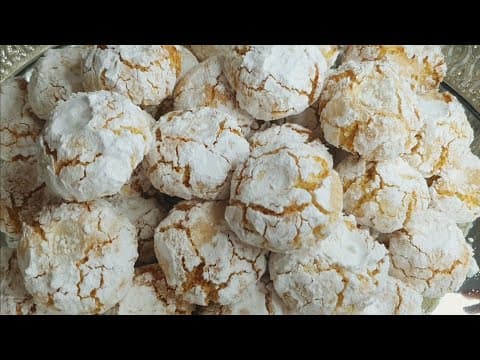
Riba à la noix de coco et à la semoule
Gâteau marocain traditionnel de l'Aïd, léger et croquant, à base de noix de coco, semoule et parfumé à la fleur d'oranger. Facile à préparer à la main, il se déguste en biscuits croustillants.

Couscous marocain aux boulettes d'agneau, légumes et pois chiches
Un couscous traditionnel du Maroc, léger et très digeste, préparé avec de la semoule de blé dur, des morceaux d'agneau parfumés aux épices, des légumes de saison et des pois chiches. Le tout est servi avec un bouillon parfumé au safran et une touche de beurre demi‑sel. Idéal pour un repas convivial en famille ou entre amis.
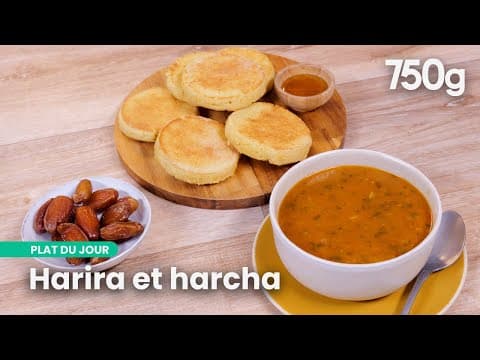
Harira marocaine traditionnelle
Soupe marocaine riche et réconfortante à base de viande, tomates, pois chiches et lentilles, idéale pour le Ramadan ou les soirées cocooning. Servie avec des dattes, des œufs durs et des galettes de semoule (harcha).
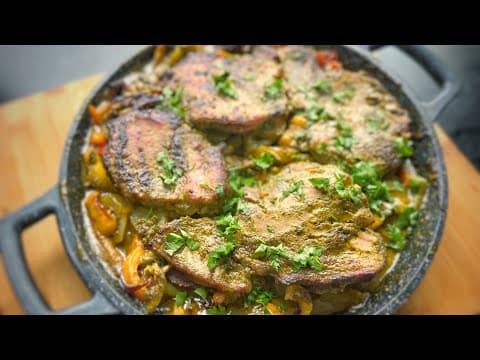
Tajine de poisson aux légumes et sauce Moulah
Un tajine marocain parfumé où le thon (ou tout poisson à chair ferme) est mariné dans une sauce épicée Moulah, puis cuit avec des légumes racines et des poivrons colorés. Le résultat est un plat savoureux, équilibré et idéal pour un dîner en famille.
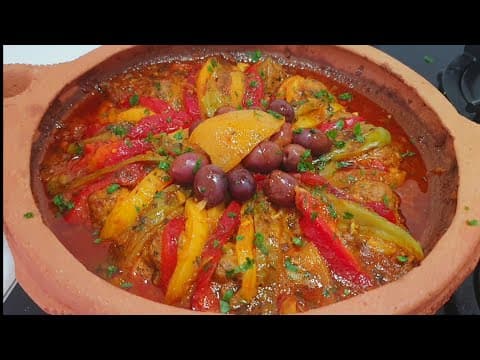
Tajine de boulettes de kefta
Un tajine marocain réconfortant de boulettes de kefta aux poivrons, tomates, oignons et herbes fraîches, servi avec du pain et une petite salade verte.