

Amazon Associates PartnerTrusted
As an Amazon Associate, we earn from qualifying purchases made through links on this page. This helps support our site at no extra cost to you. Clicking on ingredient or equipment links will take you to amazon.com where you can purchase these items.
Terrine de foie gras à l'Amaretto, fève de tonka et gelée de Porto
Foie gras de canard entier mariné 12 h dans de l'Amaretto d'amande et une fève de tonka, assaisonné de sel, fleur de sel et poivre, cuit doucement à 120 °C pendant 20 min, pressé dans un cadre et nappé d'une gelée de Porto légèrement parfumée. Idéal pour les fêtes de fin d’année, servi en tranches de 80 g.
Shop all ingredients on Amazon in one click • Printable PDF with shopping checklist
Cost Breakdown
Critical Success Points
- • Retirer les veines du foie gras
- • Marinade de 12 h minimum
- • Cuisson à 120 °C pendant 20 min avec contrôle de température
- • Pressage et refroidissement d’au moins 12 h
- • Préparer la gelée sans faire bouillir la gélatine
Safety Warnings
- • Manipuler le foie gras cru avec des ustensiles propres pour éviter toute contamination bactérienne.
- • Utiliser des gants ou un torchon pour manipuler le film cuisson chaud.
- • Ne pas dépasser la température de cuisson indiquée sous peine de faire fondre le gras excessivement.
Frequently Asked Questions
Everything you need to know about this recipe
What is the cultural significance and history of Terrine de foie gras à l'Amaretto, fève de tonka et gelée de Porto in French cuisine?
Terrine de foie gras à l'Amaretto, fève de tonka et gelée de Porto is a luxurious French pâté that traces its roots to the tradition of preserving foie gras for festive occasions. The addition of Amaretto and tonka bean reflects a modern twist on classic terroir flavors, while the Porto gelée showcases the French love for sweet, wine‑based accompaniments. Historically, such terrines were served at aristocratic banquets and have become a symbol of refined holiday dining in France.
What are the traditional regional variations of Terrine de foie gras à l'Amaretto, fève de tonka et gelée de Porto in French cuisine?
In the southwest of France, especially in the Périgord region, foie gras terrines are often flavored with Armagnac or Cognac instead of Amaretto, and may include truffles. In Alsace, a hint of Riesling or Gewürztraminer is sometimes used in the gelée. The core concept of a smooth foie gras terrine remains, but regional liqueurs and aromatics create distinct local expressions.
What is the authentic traditional way Terrine de foie gras à l'Amaretto, fève de tonka et gelée de Porto is served in French holiday celebrations?
The terrine is traditionally chilled, sliced into 80‑gram portions, and presented on a chilled platter with a thin slice of toasted brioche or a crisp baguette. It is often accompanied by a drizzle of the Porto gelée, a few sea salt crystals, and a garnish of micro‑greens or edible flowers. Serving it alongside a glass of Sauternes or a fine sweet wine completes the festive French holiday table.
On what occasions or celebrations is Terrine de foie gras à l'Amaretto, fève de tonka et gelée de Porto traditionally associated with in French culture?
Terrine de foie gras à l'Amaretto, fève de tonka et gelée de Porto is most commonly associated with Noël (Christmas) and Réveillon meals, as well as New Year’s Eve celebrations. It also appears on the menu for weddings, gala dinners, and high‑end New Year’s parties where a luxurious starter is expected. Its rich flavors make it a centerpiece for any special French gathering.
How does Terrine de foie gras à l'Amaretto, fève de tonka et gelée de Porto fit into the broader French cuisine tradition of pâtés and terrines?
French cuisine venerates pâtés and terrines as artful ways to preserve and showcase premium meats, and foie gras terrines hold a premier position among them. This particular terrine blends classic technique—slow cooking and pressing—with modern aromatics like Amaretto and tonka bean, illustrating the French tradition of respecting heritage while innovating. It exemplifies the balance of texture, richness, and refined flavor that defines French charcuterie.
What are the authentic traditional ingredients for Terrine de foie gras à l'Amaretto, fève de tonka et gelée de Porto versus acceptable substitutes?
Authentic ingredients include whole duck foie gras lobes, fine sea salt, freshly ground black pepper, fleur de sel, Amaretto liqueur, a fresh tonka bean, and a gelée made from Porto wine, sugar, and gelatin. Acceptable substitutes are goose foie gras for duck, a quality almond‑flavored liqueur in place of Amaretto, and a sweet red wine reduction if Porto is unavailable. However, replacing the tonka bean with vanilla changes the distinctive aromatic profile.
What other French dishes pair well with Terrine de foie gras à l'Amaretto, fève de tonka et gelée de Porto?
A classic pairing is a light, crisp Salade de mesclun with a vinaigrette of sherry vinegar to cut through the richness. Additionally, a serving of chilled oysters on the half shell or a delicate soupe à l'oignon gratinée offers complementary textures. For wine, a sweet Sauternes or a well‑aged Cognac enhances the sweet‑savory balance of the terrine.
What makes Terrine de foie gras à l'Amaretto, fève de tonka et gelée de Porto special or unique in French cuisine?
The dish stands out because it marries the traditional French technique of terrine making with unexpected flavors like almond‑based Amaretto and the exotic tonka bean, creating a nuanced aromatic profile. The Porto gelée adds a glossy, slightly sweet finish that contrasts with the buttery foie gras. This combination of classic and contemporary elements makes it a signature modern French delicacy.
What are the most common mistakes to avoid when making Terrine de foie gras à l'Amaretto, fève de tonka et gelée de Porto?
A frequent error is overheating the foie gras, which can melt the fat and produce a grainy texture; keep the oven temperature at a gentle 120 °C. Over‑marinating can make the terrine too sweet, so limit the Amaretto soak to 12 hours. Finally, failing to press the terrine firmly results in an uneven slice and poor gelée adherence.
How do I know when the Terrine de foie gras à l'Amaretto, fève de tonka et gelée de Porto is done cooking after the 20‑minute bake at 120 °C?
The terrine is done when the internal temperature reaches about 45‑48 °C and the fat has just begun to melt without bubbling. The surface should be set but still glossy, and a gentle jiggle of the frame will show a firm yet slightly wobbling center. Removing it promptly prevents over‑cooking and preserves the silky texture.
What does the YouTube channel Norbert Tarayre specialize in, especially regarding French cuisine?
The YouTube channel Norbert Tarayre specializes in modern French cooking demonstrations, focusing on classic techniques, seasonal ingredients, and festive recipes. Norbert often blends traditional French gastronomy with contemporary twists, offering step‑by‑step tutorials for both home cooks and aspiring chefs. His channel highlights French culinary heritage while making it accessible to a global audience.
You Might Also Like
Similar recipes converted from YouTube cooking videos
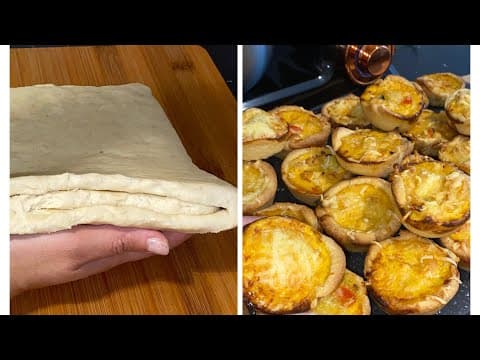
Mini quiches au poulet avec pâte feuilletée maison
Des mini quiches savoureuses au poulet, légumes et fromage, enveloppées dans une pâte feuilletée maison croustillante. Idéales en apéritif ou en repas léger, elles peuvent être préparées à l'avance et cuites rapidement au four.
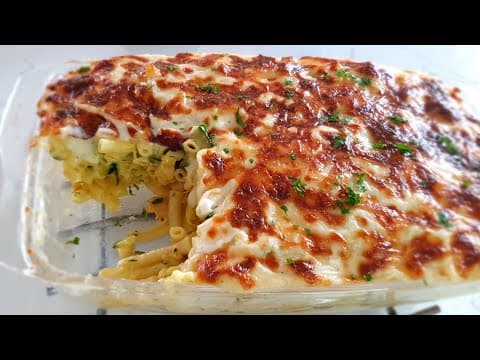
Gratin de pâtes au poulet, poireau et courgette
Un gratin de pâtes crémeux mêlant poulet, poireau et courgette, nappé d'une béchamel onctueuse et de mozzarella fondante. Facile, rapide et idéal pour un dîner convivial à la française.
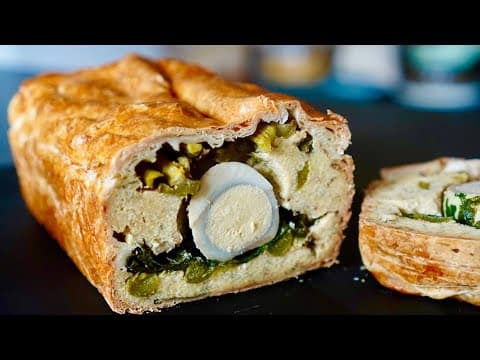
Pâté feuilleté de Pâques végétarien
Un pâté feuilleté festif pour Pâques, réalisé avec une farce végétarienne à base de ricotta, légumes croquants et œufs durs, le tout enveloppé dans une pâte feuilletée au beurre. Parfait à servir en entrée ou plat principal avec une salade de crudités.
Financiers aux amandes
Des financiers moelleux à l'amande, parfumés au beurre noisette, parfaits pour le goûter ou en dessert. Cette version traditionnelle utilise des blancs d'œufs, de la poudre d'amandes et un beurre noisette maison pour un goût riche et une texture légère.
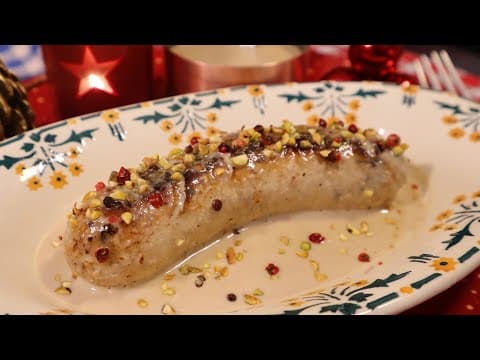
Saucisse blanche à la sauce Alboufera
Une délicieuse saucisse blanche (pudding blanc) servie avec la sauce Alboufera, un classique de la cuisine française à base de cognac, madère, bouillon de légumes, foie gras et crème fraîche. Idéal pour les fêtes de fin d'année.

Baba au Rhum (Baba-orome) à la Crème Chantilly Vanille
Baba-orome, version revisitée du classique baba au rhum, réalisé avec une pâte à brioche légère, séché puis imbibé d'un sirop vanille‑rum‑bergamote et servi avec une crème chantilly à la vanille. Une pâtisserie française gourmande, idéale pour les fêtes ou un dessert raffiné.