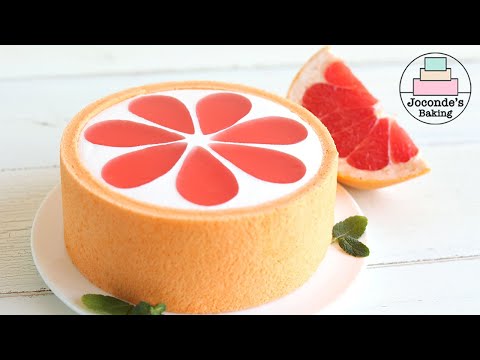
Grapefruit Mousse Cake with Grapefruit Jelly
Grapefruit Mousse Cake with Grapefruit Jelly is a intermediate French-inspired (Modern Patisserie) recipe that serves 8. 220 calories per serving.
Prep: 1 hr 20 min | Cook: 30 min | Total: 8 hrs 10 min
Cost: $7.80 total, $0.98 per serving
Ingredients
- 250 ml Fresh grapefruit juice (Freshly squeezed for best flavor and color)
- 3.5 g Gelatin powder (For jelly; use 4g for firmer jelly)
- 100 g Granulated sugar (Divided for jelly, sponge, and meringue)
- 15 g Corn starch (For thickening jelly)
- 2 large Egg whites (For meringue; keep cold)
- 2 large Egg yolks (For sponge)
- 50 g White chocolate (For mousse)
- 200 ml Heavy cream (For mousse)
- 2 g Gelatin powder (for mousse) (Soaked before use)
Instructions
Prepare Grapefruit Jelly
Heat the fresh grapefruit juice gently to 40°C. Do not let it boil to preserve the color and flavor.
Time: PT5M
Temperature: 40°C
Bloom Gelatin for Jelly
Sprinkle 3.5g gelatin powder over a small amount of cold water and let it bloom for 5 minutes.
Time: PT5M
Combine and Set Jelly
Add the bloomed gelatin to the warm grapefruit juice and stir until completely dissolved. Pour into a 12 cm mousse ring lined with cling wrap. Refrigerate for at least 6 hours to set.
Time: PT10M
Temperature: 4°C
Prepare Cornstarch Mixture
Mix sugar and cornstarch evenly in a bowl.
Time: PT2M
Cook Cornstarch Mixture
Slowly boil the mixture over low heat, stirring constantly. Once the starch is cooked and the mixture boils, remove from heat.
Time: PT5M
Temperature: Low heat
Bloom Gelatin for Mousse
Soak 2g gelatin powder in cold water for 5 minutes.
Time: PT5M
Add Gelatin and Chocolate
Add the soaked gelatin to the hot cornstarch mixture, then add chopped white chocolate and stir until smooth.
Time: PT3M
Prepare Egg Whites
Measure egg whites and keep them cold in the refrigerator until ready to use.
Time: PT2M
Temperature: 4°C
Make Meringue
Whip egg whites at medium speed. After 40 seconds, add 1/3 of the sugar. Add the next 1/3 every 30 seconds, beating until stiff peaks form.
Time: PT5M
Incorporate Meringue
Mix 1/3 of the meringue into the yolk batter to lighten it, then fold in the remaining meringue gently until evenly combined.
Time: PT3M
Bake Sponge (if applicable)
Pour batter into lined 10 cm mousse ring and bake at 170°C until set (about 15 minutes). Let cool covered to prevent drying.
Time: PT20M
Temperature: 170°C
Prepare Cream
Whip heavy cream to soft peaks and refrigerate until needed.
Time: PT5M
Temperature: 4°C
Assemble Cake
Remove set jelly and mousse from molds. Place jelly (smooth side down) on the cake base. Arrange with a spatula, ensuring no tears. Fit cream between jelly and cake, tapping and smoothing with a spatula.
Time: PT10M
Final Chill and Serve
Refrigerate assembled cake for at least 1 hour, then freeze for 30 minutes before cutting for clean slices.
Time: PT1H30M
Temperature: 4°C, then -18°C
Cleanup
Wash all used bowls, utensils, rings, and clean work surfaces.
Time: PT20M
Nutrition Facts
- Calories
- 220
- Protein
- 4g
- Carbohydrates
- 32g
- Fat
- 8g
- Fiber
- 1g
Dietary info: Contains animal gelatin (not vegetarian), Contains dairy, Gluten-free if no flour is used in sponge, low-calorie, low-fat
Allergens: Eggs, Dairy, Gelatin
Ingredient Substitutions
- Instead of Fresh grapefruit juice: Bottled grapefruit juice (not from concentrate)
- Instead of Gelatin powder: Sheet gelatin (bloomed and weighed)
- Instead of Granulated sugar: Caster sugar
- Instead of Corn starch: Potato starch
- Instead of Egg whites: Carton egg whites
- Instead of White chocolate: Milk chocolate (will change flavor)
- Instead of Heavy cream: Whipping cream
- Instead of Gelatin powder (for mousse): Sheet gelatin
Equipment Needed
- 12 cm mousse ring
- 10 cm mousse ring
- Cling wrap
- Mixing bowls
- Whisk or electric mixer
- Spatula
- Saucepan
- Refrigerator
- Freezer
Critical Steps — Do Not Skip
- Heating grapefruit juice only to 40°C to preserve color and flavor.
- Blooming and dissolving gelatin properly.
- Setting jelly in the refrigerator for at least 6 hours.
- Folding meringue gently to maintain volume.
- Arranging jelly carefully to avoid tearing.
Chef Tips from the Video
- Use freshly squeezed grapefruit juice for best flavor and color.
- Chill all bowls and utensils before whipping cream or egg whites for better results.
- For a clean cut, dip your knife in hot water and wipe between slices.
Troubleshooting
Jelly is too soft or runny.
Increase gelatin to 4g and ensure full refrigeration time.
Jelly tears when unmolding.
Freeze jelly for 30 minutes before handling and use a spatula to gently release edges.
Meringue deflates.
Fold gently and avoid overmixing after adding to yolk batter.
Cake layers slide during assembly.
Ensure all components are well chilled before assembling.
Storage
Refrigerator: Store covered for up to 3 days.
Freezer: Freeze for up to 2 weeks; thaw in refrigerator before serving.
Room temperature: Not recommended; jelly will soften and cake may spoil.
Make-Ahead Tips
- Jelly and mousse layers can be made a day in advance.
- Assemble cake up to 1 day ahead and store in refrigerator.
Frequently Asked Questions
What is the cultural significance and history of Grapefruit Mousse Cake with Grapefruit Jelly in French-inspired modern pâtisserie cuisine?
The Grapefruit Mousse Cake with Grapefruit Jelly is a contemporary twist on classic French mousse cakes, reflecting modern pâtisserie’s emphasis on bright citrus flavors. Originated in the early 2000s as chefs experimented with fruit‑infused mousses, it showcases the French tradition of elegant, layered desserts while highlighting grapefruit’s aromatic profile.
What are the traditional regional variations of Grapefruit Mousse Cake with Grapefruit Jelly in French-inspired cuisine?
While the core concept remains a light sponge, citrus mousse, and jelly, regional variations in French-inspired cuisine may replace grapefruit with other citrus like orange or yuzu, or incorporate an almond‑flavored sponge typical of Provence. Some pâtissiers add a thin layer of candied citrus peel for texture, reflecting local taste preferences.
What is the authentic traditional way Grapefruit Mousse Cake with Grapefruit Jelly is served in French pâtisserie culture?
Traditionally, the Grapefruit Mousse Cake with Grapefruit Jelly is served chilled on a simple white porcelain plate, often garnished with a thin slice of fresh grapefruit or a sprig of mint. In French patisserie settings, it is presented as a centerpiece dessert, accompanied by a glass of sparkling water or a light dessert wine.
What occasions or celebrations is Grapefruit Mousse Cake with Grapefruit Jelly traditionally associated with in French-inspired cuisine?
In French-inspired modern pâtisserie, the Grapefruit Mousse Cake with Grapefruit Jelly is commonly served at spring celebrations, summer garden parties, and upscale brunches, where its refreshing citrus notes complement warm weather. It is also a popular choice for birthday desserts and elegant cocktail receptions.
How does Grapefruit Mousse Cake with Grapefruit Jelly fit into the broader French-inspired modern pâtisserie tradition?
The Grapefruit Mousse Cake with Grapefruit Jelly fits into the broader French-inspired modern pâtisserie tradition by emphasizing technique, balance of flavors, and visual elegance. It reflects the French penchant for layered textures—sponge, mousse, jelly—while introducing a bold, contemporary grapefruit flavor that aligns with modern trends toward lighter, fruit‑forward desserts.
What are the authentic traditional ingredients for Grapefruit Mousse Cake with Grapefruit Jelly versus acceptable substitutes in French-inspired pâtisserie?
Authentic traditional ingredients for the Grapefruit Mousse Cake with Grapefruit Jelly include fresh grapefruit juice, French gelatin (powdered), granulated sugar, corn starch, and egg whites for the mousse. Acceptable substitutes are Japanese agar‑agar for a vegetarian version, honey instead of sugar for a richer taste, or using a blend of citrus juices if grapefruit is out of season.
What other French-inspired modern pâtisserie dishes pair well with Grapefruit Mousse Cake with Grapefruit Jelly?
Complementary French-inspired modern pâtisserie dishes that pair well with the Grapefruit Mousse Cake with Grapefruit Jelly include a crisp almond frangipane tart, a delicate vanilla‑infused sabayon, or a light lavender shortbread. These pairings balance the bright citrus with nutty, floral, or creamy notes typical of French dessert courses.
What makes Grapefruit Mousse Cake with Grapefruit Jelly special or unique in French-inspired cuisine?
What makes the Grapefruit Mousse Cake with Grapefruit Jelly special in French-inspired cuisine is its bold use of grapefruit, a fruit less common in classic French desserts, combined with the refined technique of layered mousse and jelly. The contrast between the airy mousse and the firm yet translucent jelly creates a textural experience that is both elegant and refreshing.
What are the most common mistakes to avoid when making Grapefruit Mousse Cake with Grapefruit Jelly at home?
The most common mistakes when making the Grapefruit Mousse Cake with Grapefruit Jelly include over‑whipping the egg whites, which can cause a dry mousse, and insufficiently blooming the gelatin, leading to a grainy jelly layer. Additionally, adding the hot grapefruit juice to gelatin too quickly can cause curdling, so temper the mixture gradually.
Why does this Grapefruit Mousse Cake with Grapefruit Jelly recipe use gelatin powder instead of agar‑agar in French-inspired pâtisserie?
This Grapefruit Mousse Cake with Grapefruit Jelly recipe uses gelatin powder because gelatin provides a smoother, melt‑in‑the‑mouth texture that is traditional in French mousse and jelly preparations. Agar‑agar sets more firmly and can create a rubbery mouthfeel, which would detract from the delicate French pâtisserie aesthetic.
Can I make Grapefruit Mousse Cake with Grapefruit Jelly ahead of time and how should I store Grapefruit Mousse Cake with Grapefruit Jelly?
Yes, you can make the Grapefruit Mousse Cake with Grapefruit Jelly ahead of time; after assembling, refrigerate the cake for at least 4 hours or overnight to allow the jelly to set and the mousse to stabilize. Store the cake in a tightly sealed container in the refrigerator to prevent it from absorbing other odors, and serve chilled.
What does the YouTube channel Unknown specialize in regarding French-inspired modern pâtisserie recipes?
The YouTube channel Unknown, which posted the Grapefruit Mousse Cake with Grapefruit Jelly video, appears to focus on modern French-inspired pastry tutorials and detailed step‑by‑step dessert demonstrations. Its cooking philosophy emphasizes precise technique, clear visual instructions, and the use of fresh, seasonal ingredients to create elegant patisserie creations.
Last updated: August 24, 2026