

Amazon Associates PartnerTrusted
As an Amazon Associate, we earn from qualifying purchases made through links on this page. This helps support our site at no extra cost to you. Clicking on ingredient or equipment links will take you to amazon.com where you can purchase these items.
Piment Vert Africain Confit à l'Huile
Découvrez la véritable recette du piment vert africain confit à l'huile, un condiment épicé et savoureux idéal pour accompagner viandes, salades ou plats de riz. Cette version authentique, légèrement plus longue, vous garantit un résultat riche en arômes et parfaitement conservé.
Shop all ingredients on Amazon in one click • Printable PDF with shopping checklist
Cost Breakdown
Critical Success Points
- • Mixer les piments et aromates jusqu'à obtenir une pâte lisse.
- • Cuire le mélange sans le brûler.
- • Transférer dans un bocal hermétique en veillant à ce que les piments restent immergés.
Safety Warnings
- • Porter des gants lors de la manipulation des piments scotch bonnet pour éviter les brûlures cutanées.
- • Faire attention aux éclaboussures d'huile chaude; garder le visage éloigné du feu.
- • Ne pas inhaler les vapeurs du mélange très épicé.
Frequently Asked Questions
Everything you need to know about this recipe
What is the cultural significance and history of Piment Vert Africain Confit à l'Huile in West African cuisine?
Piment Vert Africain Confit à l'Huile originated as a preservation method for the fiery scotch bonnet peppers that are abundant in West Africa. Historically it was made in households to add heat and aroma to stews, grilled meats, and rice dishes, and it became a staple condiment for both everyday meals and festive gatherings.
What are the traditional regional variations of Piment Vert Africain Confit à l'Huile in West African countries such as Senegal, Côte d'Ivoire, and Ghana?
In Senegal, the confit often includes additional garlic and a splash of tamarind for tang, while Côte d'Ivoire versions may add smoked fish flakes for depth. Ghanaian preparations sometimes incorporate smoked onions and a hint of nutmeg, reflecting local spice palettes. Each variation still relies on the core green scotch bonnet peppers and oil for preservation.
What is the authentic traditional way Piment Vert Africain Confit à l'Huile is served in West African households or street‑food settings?
Authentically, the confit is spooned over grilled fish, chicken, or beef, and it is also mixed into rice dishes like Jollof or served alongside stews such as maafe. Street vendors often sell small jars as a condiment that diners add to their plates for an extra kick of heat and aroma.
On what occasions or celebrations is Piment Vert Africain Confit à l'Huile traditionally associated in West African culture?
Piment Vert Africain Confit à l'Huile is commonly prepared for weddings, naming ceremonies, and major festivals like Tabaski (Eid al‑Adha) where large feasts are served. Its long‑lasting heat makes it ideal for multi‑day celebrations where food is prepared in advance.
How does Piment Vert Africain Confit à l'Huile fit into the broader West African cuisine tradition of sauces and condiments?
The confit is part of the West African tradition of oil‑based sauces that preserve flavor and heat, similar to Nigerian pepper oil or Ghanaian shito. It adds a concentrated, aromatic heat that complements the region’s rich, tomato‑based stews and grain dishes, enhancing the overall flavor profile.
What are the authentic traditional ingredients for Piment Vert Africain Confit à l'Huile versus acceptable substitutes for non‑African kitchens?
Authentic ingredients include fresh African green scotch bonnet peppers, a medium onion, green paprika, fresh ginger, and small green chilies, all cooked slowly in palm oil or a neutral oil. For non‑African kitchens, substitute palm oil with high‑quality vegetable oil and use locally available hot green chilies while keeping the ginger and onion unchanged.
What are the most common mistakes to avoid when making Piment Vert Africain Confit à l'Huile according to the YouTube channel LA CUISINE D’AMA?
LA CUISINE D’AMA warns against overheating the oil, which can burn the peppers and create a bitter flavor. Another mistake is adding the peppers too quickly, which prevents them from softening properly; they should be simmered gently for at least 30‑40 minutes.
Why does this Piment Vert Africain Confit à l'Huile recipe use slow confit in oil instead of quick sautéing the peppers?
Slow confit allows the peppers to release their oils and flavors gradually, creating a deep, mellow heat without the sharp bite that quick sautéing produces. This method also preserves the bright green color and extends the shelf‑life of the condiment.
Can I make Piment Vert Africain Confit à l'Huile ahead of time and how should I store it to keep the flavor and safety?
Yes, the confit can be prepared days in advance. Store it in a sterilized glass jar, fully covered with oil, and keep it refrigerated; it will stay flavorful for up to two weeks. Ensure the peppers remain submerged to prevent mold growth.
What does the YouTube channel LA CUISINE D’AMA specialize in, and how does it focus on West African cooking?
The YouTube channel LA CUISINE D’AMA specializes in authentic West African recipes, showcasing traditional techniques, regional ingredients, and cultural stories. It emphasizes home‑cooked, preservable dishes like Piment Vert Africain Confit à l'Huile, making the cuisine accessible to a global audience.
You Might Also Like
Similar recipes converted from YouTube cooking videos

Poulet grillé africain avec riz, plantain frit, maïs grillé et mangue
Un plat complet inspiré de l'Afrique de l'Ouest : cuisses de poulet marinées dans une sauce piment-gingembre, grillées à la perfection, servies avec du riz, des plantains frits, du maïs grillé et des dés de mangue fraîche, accompagnés d'une sauce piquante au citron vert.
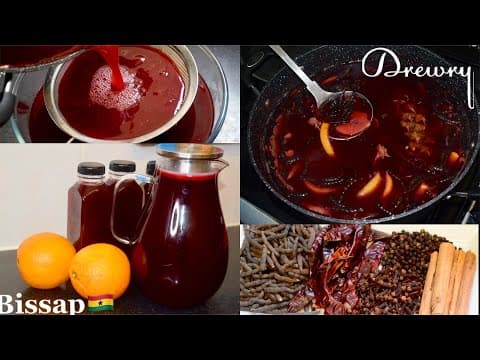
Bissap à la Ghanaise (Jus d'Hibiscus)
Une boisson rafraîchissante et vitaminée d'Afrique de l'Ouest à base de fleurs d'hibiscus, ananas, agrumes, gingembre et épices. Parfaite pour l'été ou pour profiter de ses bienfaits santé (vitamine C, réduction de la pression artérielle).

Sauce à des mets (Yoyo)
Une sauce traditionnelle ouest‑africaine, riche et épicée, servie avec de la viande de bœuf, des tripes et du maïs moulu (fufu). Cette recette détaille chaque étape, du bouillon maison à la pâte de maïs, pour un repas complet et authentique.

Beignets à la banane
Des beignets moelleux à la banane, légèrement épicés à la noix de muscade, parfaits pour le goûter ou en dessert. Cette recette africaine facile à réaliser utilise de la levure pour une pâte aérée et se frit jusqu'à obtenir une belle couleur dorée.
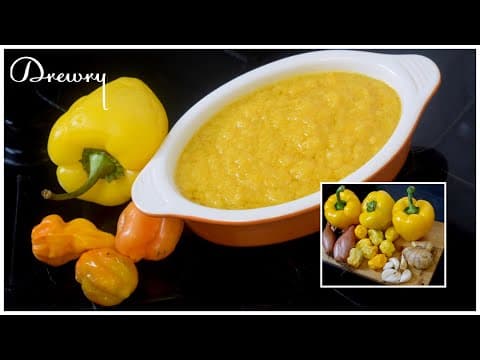
Sauce Piment Jaune Africain
Une sauce piquante et aromatique à base de poivrons jaunes africains, gingembre, ail et bouillon de crevettes. Parfaite pour relever viandes, poissons ou plats de riz. Facile à préparer, elle se conserve au réfrigérateur pendant plusieurs semaines.

Boulettes africaines maison
Des boulettes de viande savoureuses inspirées de la cuisine ouest‑africaine, faciles à préparer et à frire. Parfaites avec une sauce tomate, du riz ou du couscous, ces petites merveilles sont croustillantes à l’extérieur et juteuses à l’intérieur.