

Amazon Associates PartnerTrusted
As an Amazon Associate, we earn from qualifying purchases made through links on this page. This helps support our site at no extra cost to you. Clicking on ingredient or equipment links will take you to amazon.com where you can purchase these items.
Poulet au curry rouge thaï
Un poulet au curry rouge thaï aux arômes intenses, préparé avec du lait de coco séparé, de la pâte de curry maison, du basilic thaï et des pousses de bambou. Servi avec du riz parfumé pour un repas complet et crémeux.
Shop all ingredients on Amazon in one click • Printable PDF with shopping checklist
Cost Breakdown
Critical Success Points
- • Faire le bouillon et écumer la mousse
- • Cuisson du roux de curry jusqu’à l’apparition de l’île rouge
- • Ajouter le poulet avant le bouillon pour le saisir légèrement
Safety Warnings
- • Faire attention aux éclaboussures d’huile chaude lors de la cuisson du curry.
- • Utiliser des couteaux bien aiguisés pour éviter les coupures.
- • Manipuler le bouillon chaud avec précaution pour éviter les brûlures.
Frequently Asked Questions
Everything you need to know about this recipe
What is the cultural significance and history of Poulet au curry rouge thaï in Thai cuisine?
Poulet au curry rouge thaï, or Thai red chicken curry, traces its roots to central Thailand where red curry paste was developed using dried chilies introduced by Portuguese traders in the 16th century. It became a staple for royal and everyday meals, prized for its balance of heat, sweetness, and coconut richness. Today it symbolizes the harmonious blend of indigenous herbs and foreign influences that define Thai culinary identity.
What are the traditional regional variations of Poulet au curry rouge thaï in Thailand?
In central Thailand, Poulet au curry rouge thaï typically uses fresh red chilies, lemongrass, and coconut milk, while the northern version may add turmeric and fermented soybeans for a deeper umami. Southern variants often increase the coconut milk ratio and incorporate kaffir lime leaves for extra citrus aroma. Each region adjusts the spice level and herb mix to reflect local palate preferences.
How is Poulet au curry rouge thaï authentically served in Thailand, including accompaniments and presentation?
Authentic Poulet au curry rouge thaï is served hot in a shallow bowl, garnished with fresh Thai basil, sliced red chilies, and sometimes a drizzle of extra coconut cream. It is traditionally accompanied by steamed jasmine rice or fragrant coconut rice to soak up the sauce. A side of crisp cucumber salad or pickled vegetables balances the richness of the curry.
On what occasions or celebrations is Poulet au curry rouge thaï traditionally associated in Thai culture?
Poulet au curry rouge thaï is often prepared for family gatherings, Buddhist festivals, and temple offerings because its bright color and aromatic profile are considered auspicious. It also appears at birthday celebrations and New Year (Songkran) feasts, where sharing a hearty curry symbolizes prosperity and unity. The dish’s comforting nature makes it a favorite for communal meals.
How does Poulet au curry rouge thaï fit into the broader Thai cuisine tradition of coconut‑based curries?
Thai cuisine features several coconut‑based curries—green, yellow, and massaman—each distinguished by its paste. Poulet au curry rouge thaï occupies the middle ground, offering a medium heat level and a rich, silky texture that showcases the essential Thai balance of spicy, sweet, salty, and sour. Its use of coconut milk links it to the culinary tradition of creating velvety sauces that temper the heat of chilies.
What are the authentic traditional ingredients for Poulet au curry rouge thaï versus acceptable substitutes?
Authentic ingredients include chicken thighs and breast, Thai red curry paste made from dried red chilies, lemongrass, galangal, kaffir lime zest, and shrimp paste, plus full‑fat coconut milk, Thai basil, and bamboo shoots. Acceptable substitutes are using store‑bought red curry paste (ensure it contains shrimp paste), substituting chicken stock for the homemade broth, and replacing bamboo shoots with sliced water chestnuts if unavailable. However, swapping coconut milk with a low‑fat alternative will alter the signature creaminess.
What other Thai dishes pair well with Poulet au curry rouge thaï for a balanced meal?
A light papaya salad (som tam) provides a crisp, tangy contrast to the rich Poulet au curry rouge thaï. Steamed jasmine rice or coconut‑infused rice offers a neutral base, while a simple Thai cucumber relish adds refreshing acidity. For a fuller spread, consider adding a vegetable stir‑fry such as Thai basil eggplant (pad prik king).
What are the most common mistakes to avoid when making Poulet au curry rouge thaï from the Cooking With Morgane YouTube video?
Common mistakes include over‑cooking the chicken, which makes it dry, and adding the coconut milk too early, which can cause curdling and a grainy texture. Another pitfall is using too much water, diluting the curry’s flavor, and neglecting to fry the curry paste long enough, which reduces its aromatic depth. Following Morgane’s timing cues ensures a silky sauce and tender chicken.
Why does the Poulet au curry rouge thaï recipe from Cooking With Morgane use separate coconut milk layers instead of mixing it all at once?
Morgane adds the first portion of coconut milk early to simmer the spices and develop flavor, then finishes with a second, cooler addition to preserve the milk’s natural fat emulsion and prevent curdling. This staged technique creates a richer, smoother sauce and keeps the curry from becoming greasy. It also allows the final coconut milk to coat the chicken just before serving, enhancing mouthfeel.
What does the YouTube channel Cooking With Morgane specialize in, and how does its approach to Thai cooking differ from other Thai cooking channels?
Cooking With Morgane specializes in approachable, home‑cooked recipes that blend classic techniques with personal twists, often focusing on Asian cuisines. Morgane’s Thai cooking emphasizes clear, step‑by‑step explanations, ingredient sourcing tips for Western markets, and the use of homemade pastes for deeper flavor, whereas many Thai channels prioritize rapid demonstrations with pre‑made sauces. Her style aims to empower viewers to recreate authentic Thai dishes from scratch.
You Might Also Like
Similar recipes converted from YouTube cooking videos

Tigrecoupler – Bœuf mariné à la sauce tamarin et citron
Une recette thaïlandaise ultra‑simple de bœuf mariné, grillé à la poêle et nappé d’une sauce acidulée‑épicée au tamarin, citron, coriandre et piment. Parfait pour un dîner rapide et plein de saveurs exotiques.
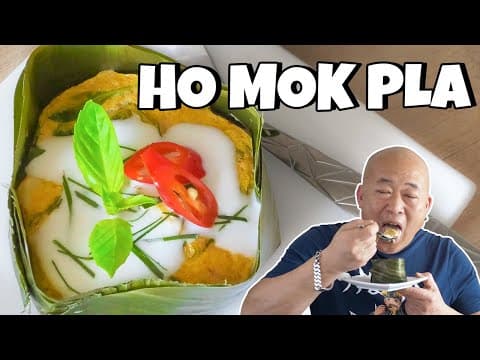
Poisson blanc à la vapeur en feuille de bananier, curry rouge et lait de coco
Un plat asiatique léger et parfumé où le filet de cabillaud est cuit à la vapeur dans un ramequin de feuille de bananier, nappé d'une sauce onctueuse au curry rouge, lait de coco, citronnelle kaffir et basilic thaï. Le tout est agrémenté de chou chinois croquant, piment rouge et filaments de feuilles de combava.

3 Recettes Fraîches et Gourmandes de Fin d'Été : Salade Thaïe de Bavette Tataki, Bol de Riz au Thon, Dal de Lentilles Corail
Trois recettes faciles, rapides et pleines de saveurs pour la rentrée : une salade thaïe de bavette façon tataki, un bol de riz au thon ultra frais, et un dal de lentilles corail réconfortant. Idéal pour se remettre des excès de l'été tout en se régalant.
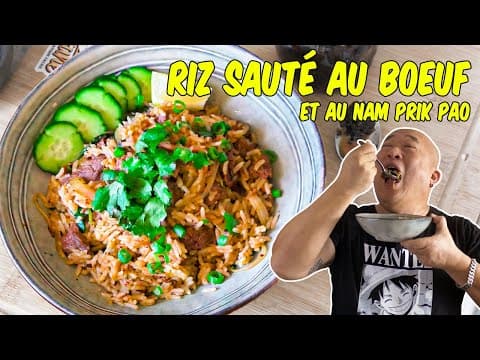
Riz sauté au basilic thaï et pâte de crevette pimentée
Un riz sauté parfumé au basilic thaï, relevé d'une pâte de crevette pimentée maison, accompagné de bœuf ou de poulet. Simple, rapide et plein de saveurs d'Asie du Sud‑Est.

Curry jaune thaï au poulet
Un curry jaune thaï doux et crémeux, préparé avec du poulet, des pommes de terre et une pâte de curry maison aux arômes de citronnelle, galanga, citronnelle et épices. Servi avec du riz parfumé, ce plat réconfortant vous transporte directement en Thaïlande.
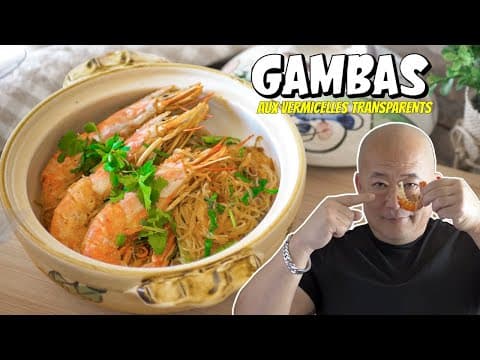
Gambas aux vermicelles transparents à la thaïlandaise
Des gambas sautées avec des vermicelles de verre, aromatisées de gingembre, ail, ciboule chinoise et une sauce soja‑poisson‑huître, le tout relevé d'une sauce piquante maison. Un plat de rue thaïlandais simple et savoureux, prêt en moins d'une heure.