

Amazon Associates PartnerTrusted
As an Amazon Associate, we earn from qualifying purchases made through links on this page. This helps support our site at no extra cost to you. Clicking on ingredient or equipment links will take you to amazon.com where you can purchase these items.
Soupe d'avoine aux graines
Une soupe marocaine réconfortante à base de flocons d'avoine, d'un mélange de graines nutritives et d'épices, idéale pour les matins d'hiver. Servie avec des dattes et un œuf dur, elle apporte énergie et chaleur.
Shop all ingredients on Amazon in one click • Printable PDF with shopping checklist
Cost Breakdown
Critical Success Points
- • Laisser le couvercle légèrement entrouvert pendant la première ébullition pour éviter le débordement
- • Ajouter le lait en fin de cuisson pour obtenir une texture crémeuse
- • Incorporer le cumin, le thym et l'huile d'olive hors du feu pour préserver les arômes
Safety Warnings
- • Faire attention à l'eau bouillante pour éviter les brûlures
- • Manipuler la marmite chaude avec des maniques
- • L'huile d'olive chaude peut projeter des gouttes
Frequently Asked Questions
Everything you need to know about this recipe
What is the cultural significance and history of Soupe d'avoine aux graines in Moroccan cuisine?
Soupe d'avoine aux graines is a comforting winter staple that originated in rural Morocco as a way to stretch limited resources. Historically, oats and seeds were mixed with water and simple aromatics to create a nourishing bowl for laborers and families during cold mornings. Over time it became associated with hospitality and health, reflecting Morocco's emphasis on hearty, communal meals.
What are the traditional regional variations of Soupe d'avoine aux graines in Moroccan cuisine?
In coastal regions of Morocco, cooks often add a splash of preserved lemon or saffron to Soupe d'avoine aux graines for a brighter flavor, while in the interior mountain areas they may incorporate more robust spices like ras el hanout and local nuts. Some families also substitute barley or millet for the oat flakes, creating a slightly denser texture that matches regional grain preferences.
What is the authentic traditional way Soupe d'avoine aux graines is served in Moroccan households?
Traditionally, Soupe d'avoine aux graines is served hot in shallow bowls, topped with a hard‑boiled egg sliced in half and a handful of pitted dates on the side. A drizzle of extra‑virgin olive oil and a pinch of sea salt finish the dish, and it is often enjoyed with fresh Moroccan bread for dipping.
On what occasions or celebrations is Soupe d'avoine aux graines traditionally associated in Moroccan culture?
Soupe d'avoine aux graines is especially popular during the winter months and is a common suhoor (pre‑dawn) dish during Ramadan because it provides lasting energy. It also appears at family gatherings in the colder season, such as the celebration of the New Year (Ras as‑Sana) and during communal harvest festivals.
How does Soupe d'avoine aux graines fit into the broader Moroccan cuisine tradition?
The soup embodies Morocco's tradition of blending simple grains with aromatic spices to create balanced, nourishing meals. It complements the larger Moroccan culinary pattern of pairing hearty soups with breads, tagines, and sweet dates, illustrating the cuisine's focus on comfort, nutrition, and communal eating.
What are the authentic traditional ingredients for Soupe d'avoine aux graines versus acceptable substitutes?
Authentic ingredients include rolled oat flakes, a mix of toasted seeds (such as pumpkin, sunflower, and sesame), a finely chopped onion, extra‑virgin olive oil, water, and sea salt, plus optional spices like cumin or cinnamon. Acceptable substitutes are barley flakes for oats, walnut pieces for seeds, or a small amount of butter if olive oil is unavailable, though the flavor profile will shift slightly.
What other Moroccan dishes pair well with Soupe d'avoine aux graines?
Soupe d'avoine aux graines pairs beautifully with classic Moroccan tagines, especially chicken or vegetable tagine, as well as with flaky msemen or khobz for dipping. A cup of mint tea or a glass of fresh orange juice balances the soup's earthiness and adds a refreshing contrast.
What makes Soupe d'avoine aux graines special or unique in Moroccan cuisine?
The soup stands out because it combines oat flakes with a medley of nutrient‑dense seeds, creating a texture that is both creamy and slightly crunchy. This fusion of grains and seeds reflects Morocco’s growing interest in health‑forward dishes while still honoring traditional flavor foundations like olive oil and warm spices.
How has Soupe d'avoine aux graines evolved over time in Moroccan culinary practice?
Originally a humble peasant dish, Soupe d'avoine aux graines has been modernized through health‑focused cooking shows like those on the YouTube channel Oum Arwa. Contemporary versions often feature added super‑seeds (chia, flax) and are presented with elegant garnishes, yet the core preparation—slow simmering of oats and seeds with olive oil—remains unchanged.
What are the most common mistakes to avoid when making Soupe d'avoine aux graines from the Oum Arwa YouTube video?
A frequent error is over‑cooking the oat flakes, which can turn the soup mushy and lose its pleasant bite. Another mistake is adding too much water, resulting in a thin broth; it’s best to adjust the liquid gradually and taste for the desired consistency before finishing.
Why does this Soupe d'avoine aux graines recipe use extra‑virgin olive oil instead of butter or other fats?
Extra‑virgin olive oil is a cornerstone of Moroccan cooking, providing a fruity, slightly peppery flavor that complements the earthy oats and seeds. It also aligns with the health‑centric approach of the Oum Arwa channel, offering heart‑healthy monounsaturated fats rather than the saturated fats found in butter.
What does the YouTube channel Oum Arwa specialize in?
The YouTube channel Oum Arwa specializes in authentic Moroccan home cooking, showcasing traditional recipes, seasonal ingredients, and modern twists on classic dishes. The channel emphasizes clear step‑by‑step instructions, cultural storytelling, and healthy preparation methods.
What is the cooking philosophy and style of the YouTube channel Oum Arwa?
Oum Arwa’s cooking philosophy blends respect for time‑honored Moroccan techniques with a focus on simplicity, nutrition, and accessibility for home cooks worldwide. Her style features vibrant visuals, concise narration, and an emphasis on using locally sourced, wholesome ingredients while preserving cultural authenticity.
You Might Also Like
Similar recipes converted from YouTube cooking videos
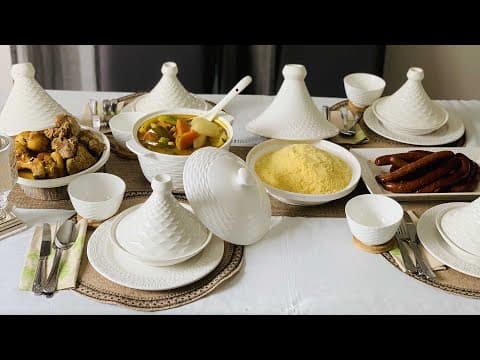
Couscous royal aux trois viandes
Couscous royal inspiré du Maghreb avec une touche française : semoule légère, légumes colorés, pois chiches, veau, merguez et pilons de poulet rôtis, le tout parfumé aux épices, beurre et coriandre. Idéal pour un repas convivial entre amis.

Mini Batbouts au Poulet et Semoule Farcie au Viande, Mozzarella et Olives (croustillants au four)
Recette traditionnelle marocaine pour le premier repas du Ramadan : petits pains plats (batbouts) garnis de poulet épicé, et grandes galettes feuilletées (semoule) farcies de viande hachée, vermicelles chinois, olives et mozzarella, cuites au four ou à la poêle. Idéal pour partager en famille.

Pastilla salée aux fruits de mer et Pastilla sucrée pomme‑cannelle
Deux versions de la traditionnelle pastilla marocaine : une version salée aux fruits de mer, poisson blanc, vermicelles et sauce piquante, et une version sucrée aux pommes, poires, noix et cannelle. Les deux sont enveloppées dans des feuilles de spring‑roll croustillantes, dorées au beurre ou à l’œuf et cuites au four à 180 °C.

Pain farci aux keftas, verrines de carottes et betterave à l'orange, soupe chicha (semoule d'orge)
Un repas complet pour le Ramadan : une soupe réconfortante à la semoule d'orge (chicha), des verrines fraîches de carottes et de betterave à l'orange, et des pains farcis moelleux aux keftas et légumes. Facile à préparer en plusieurs étapes, idéal pour varier les menus.
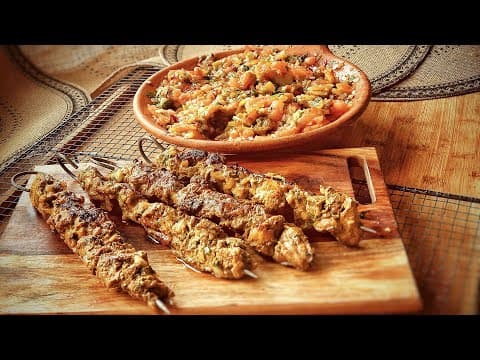
Brochettes marocaines à la marocaine avec salade fraîche
Des brochettes de viande marinées aux herbes fraîches, à l'ail et aux épices marocaines, servies avec une salade croquante de poivrons, tomates, oignons rouges et citron. Un repas simple, rapide et plein de saveurs du Maghreb.
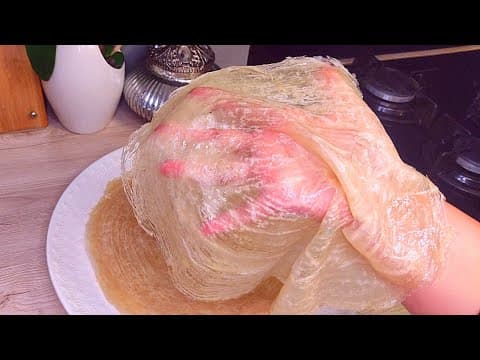
Feuilles de brick maison pour Ramadan
Apprenez à réaliser des feuilles de brick maison ultra‑fines, idéales pour les recettes de Ramadan. Cette pâte légère à base de farine, sel et eau repose 30 minutes puis se cuit en couches très fines dans une poêle antiadhésive. Astuces de cuisson, stockage et variantes incluses.