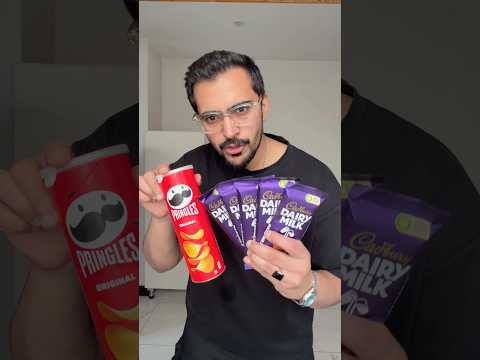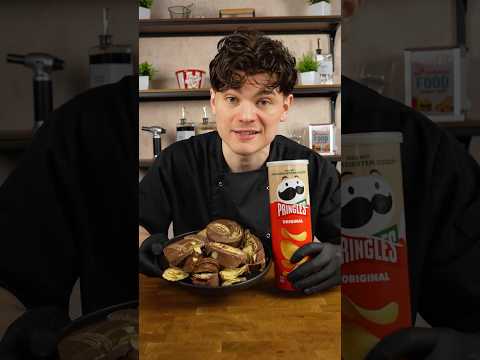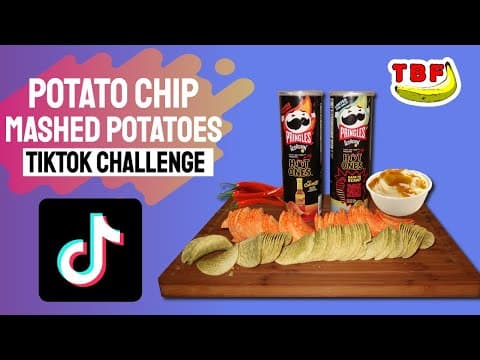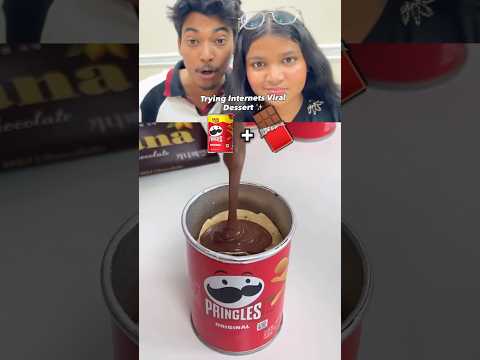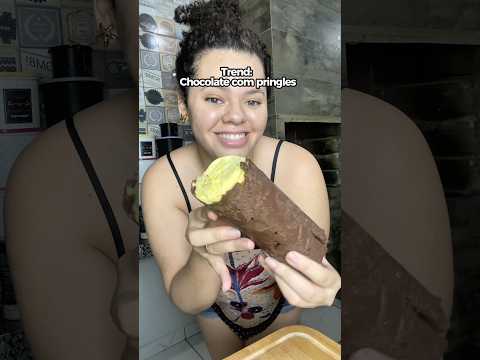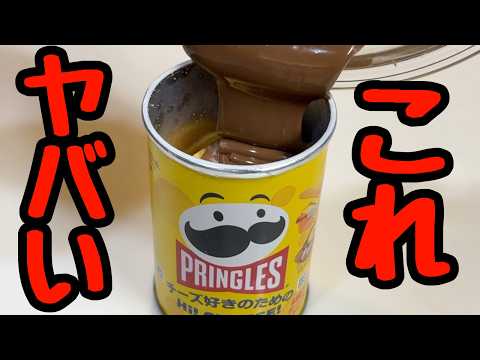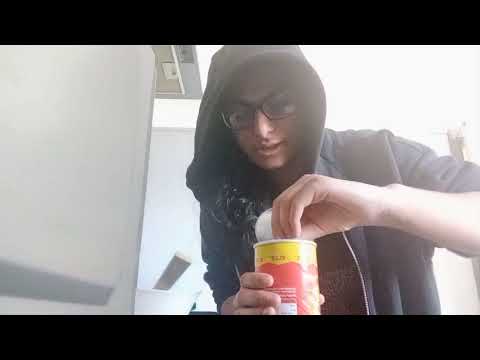
Chocolate Covered Pringles have become a staple of the TikTok snack‑hype, turning a simple tube of salty chips into a portable chocolate bar that snaps, cracks, and melts in the mouth. The concept is simple—coat Pringles in melted chocolate, let the coating set, and enjoy a sweet‑salty bite that feels like a confectionery trick. Yet the viral videos reveal a surprising amount of technique, from basic microwave melting to professional‑grade tempering, and each creator adds a personal twist that changes texture, flavor, and visual appeal.
This guide pulls together eight real recipes extracted from YTRecipe.com, each linked to its original YouTube creator. You’ll see how channels like TKM, Rana Hamza Saif – RHS, Sinobites, Retired, Harshita & Rajnish, Kelly Campos, and Kottaso Recipe approach the same base idea in very different ways. By comparing ingredients, timing, and chef tips side‑by‑side, you’ll be able to choose the method that matches your equipment, flavor preference, and patience level.
Variations and Styles of Chocolate Covered Pringles
The viral trend splinters into three broad styles. The first is the “melt‑and‑dip” method, where chocolate is melted in a microwave or double‑boiler and the chips are quickly tossed in. This is the approach taken by TKM, Rana Hamza Saif – RHS, and Kelly Campos. The second style is true tempering, which cools the chocolate to a precise crystal structure for a glossy snap; Sinobites, Harshita & Rajnish, and Kottaso Recipe all stress tempering. The third, a hybrid, uses two types of chocolate—white and milk—to create a marbled block, as demonstrated by Retired.
Flavor variations also appear. While most creators stick with Original Pringles, a few suggest using flavored varieties (sour‑cream & onion, hot‑ones) for a creative twist. Sweet additions such as sprinkles, crushed almonds, toasted nuts, or a pinch of smoked paprika appear in the chef tips, showing how the basic sweet‑salty base can be customized.
How 8 YouTube cooks make Chocolate Covered Pringles
| Creator (Channel) | Style | Total Time | Serves | Distinguishing Choice |
|---|---|---|---|---|
| TKM | Microwave melt, quick freeze | 53 min | 3 | Uses a whole Pringles tube, adds sprinkles, freezes for a snap |
| Rana Hamza Saif – RHS | Double‑boiler melt with oil | 23 min | 4 | Adds vegetable oil for fluidity and a pinch of sea salt |
| Sinobites | Tempered milk chocolate | 30 min | 8 | Emphasizes temperature control (<45 °C) to avoid soggy chips |
| Retired | Dual‑chocolate block (white + milk) | 30 min | 4 | Drizzles opposite‑type chocolate for a marbled finish |
| Harshita & Rajnish | Tempered milk chocolate chips | 55 min | 4 | Uses precise 45‑27‑31 °C tempering curve and optional smoked paprika |
| Kelly Campos | Microwave melt, long freeze | 2 h 20 min | 4 | Freezes for two hours for a firm block, adds flaky sea salt before freezing |
| Kottaso Recipe | Tempered dark chocolate with cheese | 12 h 35 min | 4 | Combines 70 % dark chocolate with shredded cheddar for a sweet‑savory contrast |
| Bachelor's Fridge | Hot‑Ones flavored Pringles mash (non‑chocolate) | 23 min | 2 | Shows a savory side‑step of the trend, not a chocolate version |
All eight creators start with the same core concept—Pringles chips and chocolate—but their execution diverges sharply. TKM’s recipe treats the entire tube as a single “bar,” cutting the frozen tube into bite‑size pieces after a short 10‑minute freeze. Rana Hamza Saif adds vegetable oil to keep the melt fluid and recommends a double‑boiler for even heat. Sinobites and Harshita & Rajnish both temper chocolate, citing a glossy finish and a firm snap; their chef tips even list exact tempering temperatures (45 °C melt, 27 °C cool, 31 °C re‑heat). Retired’s dual‑chocolate block creates visual contrast by drizzling white over milk chocolate. Kelly Campos extends the set time to two hours, arguing that a longer freeze prevents “soft spots.” Kottaso pushes the flavor envelope with 70 % dark chocolate and a sprinkle of shredded cheddar, while also recommending flavored Pringles for creative variations.
Technique Deep Dive: Tempering vs. Melting, Oils, and Freezing
Across the eight videos, three technical themes emerge: (1) how the chocolate is brought to a liquid state, (2) how the coating is applied, and (3) how the final product is set.
Melting vs. Tempering. Four creators (TKM, Rana Hamza Saif – RHS, Kelly Campos, and the non‑chocolate Bachelor’s Fridge) rely on simple melting, usually in a microwave (TKM, Kelly) or a double‑boiler (Rana Hamza Saif). They caution against overheating—Rana Hamza Saif explicitly says “do not let it boil,” and Sinobites adds a temperature ceiling of 45 °C to keep the chips crisp. The tempering camp (Sinobites, Harshita & Rajnish, Kottaso) follows the classic 45‑27‑31 °C curve, which aligns chocolate crystals for a glossy surface and a snap that does not melt on the tongue. The data shows that tempering adds roughly 10–15 minutes to total time (Sinobites 30 min, Harshita & Rajnish 55 min, Kottaso 12 h 35 min due to long chill). If you lack a thermometer, the melt‑only methods are more forgiving but may produce a duller finish.
Use of Oil or Butter. Only Rana Hamza Saif mentions adding 2 Tbsp vegetable oil, a technique that thins the chocolate and reduces the risk of “seizing” if a drop of water lands in the bowl. No other creator adds oil, suggesting that the extra fat is optional and primarily useful when using a microwave that can create hot spots.
Freezing and Setting. Freezing times range from a quick 10‑minute snap (TKM) to a full 12‑hour chill (Kottaso). Kelly Campos’ two‑hour freeze is the longest among the melt‑only group, emphasizing that a slower set yields a firmer block that can be unmolded cleanly. The consensus is that the chocolate must be fully solid before cutting or serving; otherwise the bar will crack unevenly. Most creators recommend parchment or silicone liners to aid removal.
Flavor Enhancements. Sprinkles (TKM), toasted nuts (Rana Hamza Saif), flaky sea salt (Kelly Campos, Kottaso), crushed almonds (Harshita & Rajnish), and even smoked paprika or chili powder (Harshita & Rajnish) appear as optional toppings. These additions do not affect the core technique but illustrate how the viral snack can be personalized.