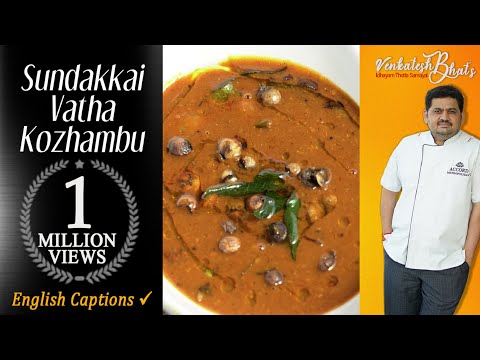
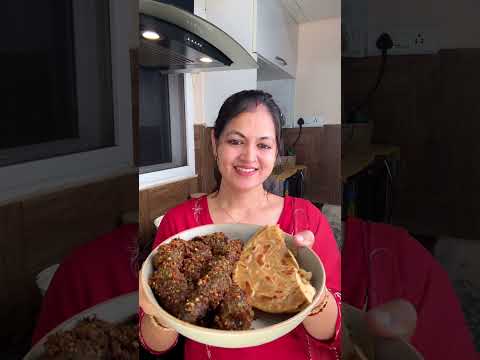
Authentic Tamil Vatha Kuzhambu (with Sundakkai Vathal, Onion & Garlic)
Authentic Tamil Vatha Kuzhambu (with Sundakkai Vathal, Onion & Garlic) is a intermediate South Indian (Tamil) recipe that serves 8. 180 calories per serving.
Prep: 40 min | Cook: 35 min | Total: 1 hr 30 min
Cost: $12.95 total, $1.62 per serving
Ingredients
- 11 tbsp Idhayam Sesame Oil (or any good quality sesame oil) (Divided: 2 tsp + 3 tsp + 3 tbsp + 3 tbsp)
- 2 tsp Chana Dal (split Bengal gram)
- 2 tsp Urad Dal (split black gram)
- 0.5 tsp Black Peppercorns
- 0.5 tsp Fenugreek Seeds
- 2 tsp Cumin Seeds (Jeera)
- 6 tsp Coriander Seeds (Dhaniya)
- 4 pieces Byadagi or Kashmiri Red Chillies (For color; can use regular dried red chillies but color will be less vibrant)
- 10 pieces Long Dried Red Chillies
- 2 tsp Raw Rice (Optional, for thickening)
- 3 handfuls Curry Leaves (Divided)
- 60-70 pieces Sambar Onions (Pearl onions/shallots) (Divided: 30 for masala, 30-40 for base)
- 50 cloves Garlic Cloves (Divided: 20 for masala, 30 for base; use fewer if large cloves)
- 3 medium Tomatoes (About 220g, chopped)
- 1 tsp Turmeric Powder (Divided)
- 1.1 liters Water (Divided: 50ml, 0.5L, 0.5L, plus for grinding)
- 4 pieces Round Dried Red Chillies (For tempering)
- 2 tsp Mustard Seeds (Divided)
- 0.5 tsp Kashmiri Red Chilli Powder
- 100 g Tamarind (Soaked and squeezed in 0.5L water)
- 1 tsp Asafoetida (Hing)
- to taste Salt
- 30-40 g Jaggery (Crushed; adjust for sweetness)
- 0.5 cup Sundakkai Vathal (Sun-dried Turkey Berry) (About 40g; can adjust to taste)
Instructions
Roast Masala Ingredients
Heat 2 tsp sesame oil in a heavy-bottomed pan on low flame. Add chana dal and roast until it changes color (about 2 minutes). Add urad dal and roast for 1 minute. Add black pepper, fenugreek seeds, cumin seeds, and coriander seeds. Roast for 2 minutes. Add Byadagi/Kashmiri chillies and long red chillies; roast for 1 minute. Add raw rice and a handful of curry leaves; roast for 1 minute until everything is aromatic and golden. Total roasting time: 7-8 minutes.
Time: PT8M
Temperature: Low flame
Cool and Set Aside Masala
Turn off the heat and transfer the roasted masala ingredients to a bowl. Let them cool completely.
Time: PT5M
Sauté Onions, Garlic, and Tomato for Masala
In the same pan, heat 3 tsp sesame oil. Add 30 sambar onions (peeled) and sauté for 2 minutes. Add 20 garlic cloves and sauté for 2 minutes. Add chopped tomatoes and 0.5 tsp turmeric powder. Sauté until tomatoes are mushy (about 3 minutes). Add 50ml water and cook for 2 minutes until everything is soft.
Time: PT9M
Temperature: Medium flame
Cool and Grind Masala Paste
Turn off the heat and let the mixture cool for 5 minutes. Combine with the cooled roasted masala from Step 2. Transfer both to a mixer jar. Add about 100ml water and grind to a fine, smooth paste.
Time: PT8M
Prepare Kuzhambu Base
In a large pan, heat 3 tbsp sesame oil. Add 4 round dried red chillies and 1 tsp mustard seeds. Let mustard seeds pop (about 1 minute). Add 30 peeled garlic cloves and 30-40 sambar onions. Sauté for 5 minutes until onions are golden. Add a handful of curry leaves, 0.5 tsp turmeric powder, and 0.5 tsp Kashmiri red chilli powder. Mix well.
Time: PT7M
Temperature: Medium flame
Add Tamarind Water and Simmer
Add 100g tamarind (soaked and squeezed in 0.5L water) to the pan. Bring to a boil. Simmer on medium flame for 8 minutes until the raw smell of tamarind disappears.
Time: PT8M
Temperature: Medium flame
Season and Sweeten
Add 1 tsp asafoetida (hing), salt to taste, and 30-40g crushed jaggery. Stir until jaggery dissolves.
Time: PT2M
Add Ground Masala Paste
Add the ground masala paste from Step 4 to the simmering base. Lower heat and stir until fully dissolved. Add 0.5L water to adjust consistency. Simmer for 8 minutes until oil floats on top and gravy thickens.
Time: PT10M
Temperature: Low-medium flame
Prepare Sundakkai Tempering
In a small pan, heat 3 tbsp sesame oil. Add 0.5 cup (about 40g) Sundakkai Vathal (sun-dried turkey berry). Fry on low flame for 3-4 minutes until dark brown and crisp. Add a handful of curry leaves, toss, and turn off heat.
Time: PT5M
Temperature: Low flame
Finish and Serve
Pour the fried Sundakkai and curry leaves over the simmered Kuzhambu. Mix gently. Serve hot with rice and ghee.
Time: PT1M
Cleanup
Wash all pans, mixer jar, spatula, knife, chopping board, and bowls used. Wipe down counters and stove. Dispose of onion and garlic peels.
Time: PT15M
Nutrition Facts
- Calories
- 180
- Protein
- 3g
- Carbohydrates
- 22g
- Fat
- 9g
- Fiber
- 4g
Dietary info: Vegan, Gluten-free (if gluten-free asafoetida used), Nut-free, low-carb, low-calorie, very-low-calorie, low-fat
Allergens: Sesame, Legumes (chana dal, urad dal), Asafoetida (may contain wheat/gluten)
Ingredient Substitutions
- Instead of Idhayam Sesame Oil (or any good quality sesame oil): Peanut oil (for less traditional flavor)
- Instead of Byadagi or Kashmiri Red Chillies: Regular dried red chillies
- Instead of Sambar Onions (Pearl onions/shallots): Shallots (not regular onions)
- Instead of Tamarind: Tamarind concentrate (adjust amount)
- Instead of Jaggery: Brown sugar (less authentic)
- Instead of Sundakkai Vathal (Sun-dried Turkey Berry): Other vathals (sun-dried veggies), or omit
Equipment Needed
- Heavy-bottomed kadai or deep pan
- Mixer grinder or blender
- Spatula/ladle
- Small bowl
- Knife and chopping board
- Measuring spoons/cups (optional)
- Small pan (for tempering Sundakkai)
Critical Steps — Do Not Skip
- Roasting the masala ingredients properly (Step 1)
- Grinding the masala to a fine paste (Step 4)
- Cooking tamarind water until raw smell is gone (Step 6)
- Balancing sweet, sour, and salt (Step 7)
- Simmering until oil floats on top (Step 8)
- Frying Sundakkai Vathal without burning (Step 9)
Chef Tips from the Video
- Use only sambar onions or shallots for authentic flavor.
- Do not skip jaggery; it balances the sourness.
- Let the Kuzhambu rest for a few hours or overnight for best taste.
- Sundakkai Vathal adds a pleasant bitterness; fry it well.
- If omitting onion and garlic, increase curry leaves and hing for flavor.
Troubleshooting
Kuzhambu is too thick.
Add hot water to adjust consistency.
Kuzhambu is too sour.
Add more jaggery or a pinch of sugar to balance.
Kuzhambu is too spicy.
Add more water and a little extra jaggery. Serve with extra ghee.
Oil does not float on top.
Simmer longer on low flame until oil separates.
Storage
Refrigerator: Keeps for up to 7 days in an airtight container.
Freezer: Can be frozen for up to 2 months. Thaw and reheat before serving.
Room temperature: Safe for 1-2 days if weather is cool and container is dry.
Make-Ahead Tips
- Vatha Kuzhambu tastes better after resting for a day.
- You can make the masala paste a day ahead and refrigerate.
- Keeps well for a week, so make in bulk.
Frequently Asked Questions
What is the cultural significance and history of Authentic Tamil Vatha Kuzhambu (with Sundakkai Vathal, Onion & Garlic) in South Indian Tamil cuisine?
Authentic Tamil Vatha Kuzhambu (with Sundakkai Vathal, Onion & Garlic) is a traditional tamarind-based curry that dates back centuries in Tamil Nadu, often prepared during harvest festivals and temple offerings. Its tangy and spicy profile reflects the Tamil palate's love for bold flavors, and the use of sundakkai (sun‑dried turkey berries) links the dish to ancient Ayurvedic practices for digestion.
What are the traditional regional variations of Authentic Tamil Vatha Kuzhambu (with Sundakkai Vathal, Onion & Garlic) within Tamil cuisine across different districts of Tamil Nadu?
In coastal districts like Nagapattinam, the curry may include fresh seafood and a higher proportion of tamarind, while inland areas such as Madurai often add extra black pepper and fenugreek for heat. Some versions replace sundakkai with dried gooseberries (nellikai) or add a handful of roasted peanuts for texture.
What is the authentic traditional way Authentic Tamil Vatha Kuzhambu (with Sundakkai Vathal, Onion & Garlic) is served in Tamil households and restaurants?
Traditionally, Authentic Tamil Vatha Kuzhambu (with Sundakkai Vathal, Onion & Garlic) is served hot over steaming white rice, drizzled with a spoonful of ghee and accompanied by a side of fresh cucumber slices or a simple vegetable stir‑fry. In many Tamil homes, it is also paired with a dollop of curd to balance the tanginess.
During which occasions or celebrations is Authentic Tamil Vatha Kuzhambu (with Sundakkai Vathal, Onion & Garlic) traditionally prepared in Tamil culture?
The dish is commonly prepared for Pongal, Navaratri, and temple festivals in Tamil Nadu because its sourness is believed to aid digestion after feasting. It is also a staple during family gatherings and wedding feasts where a hearty, long‑lasting curry is valued.
How does Authentic Tamil Vatha Kuzhambu (with Sundakkai Vathal, Onion & Garlic) fit into the broader South Indian Tamil cuisine tradition?
Authentic Tamil Vatha Kuzhambu (with Sundakkai Vathal, Onion & Garlic) exemplifies the South Indian emphasis on tamarind‑based gravies, the balance of sour, spicy, and aromatic notes, and the use of lentils and spices for depth. It complements other Tamil staples like sambar, rasam, and curd rice, showcasing the region’s culinary harmony.
What are the authentic traditional ingredients for Authentic Tamil Vatha Kuzhambu (with Sundakkai Vathal, Onion & Garlic) versus acceptable modern substitutes?
The authentic recipe calls for Idhayam sesame oil, chana dal, urad dal, black peppercorns, fenugreek seeds, sundakkai (sun‑dried turkey berries), sambar onions, and fresh garlic. Modern cooks may substitute sesame oil with peanut oil, use store‑bought masala powder instead of freshly ground spices, or replace sundakkai with dried amla if unavailable.
What other South Indian Tamil dishes pair well with Authentic Tamil Vatha Kuzhambu (with Sundakkai Vathal, Onion & Garlic) for a balanced meal?
Authentic Tamil Vatha Kuzhambu (with Sundakkai Vathal, Onion & Garlic) pairs beautifully with fluffy white rice, a side of cabbage thoran, and a crisp cucumber raita. Adding a serving of papadam or crispy fried okra (vendakkai varuval) rounds out the meal with texture and contrast.
What are the most common mistakes to avoid when making Authentic Tamil Vatha Kuzhambu (with Sundakkai Vathal, Onion & Garlic) at home?
Common errors include over‑roasting the lentils, which can make the gravy bitter, and adding too much water, resulting in a thin consistency. Also, neglecting to soak the sundakkai properly can lead to a gritty texture, and using low‑quality sesame oil may diminish the characteristic aroma.
Why does this Authentic Tamil Vatha Kuzhambu (with Sundakkai Vathal, Onion & Garlic) recipe use freshly ground masala instead of pre‑made spice mixes?
Freshly ground masala releases essential oils that give Authentic Tamil Vatha Kuzhambu (with Sundakkai Vathal, Onion & Garlic) its vibrant, layered flavor, which pre‑made mixes often lack due to oxidation. Grinding the spices just before cooking also ensures the peppercorns and fenugreek retain their sharpness and aroma.
Can I make Authentic Tamil Vatha Kuzhambu (with Sundakkai Vathal, Onion & Garlic) ahead of time and how should I store it for best flavor?
Yes, the curry improves after resting; refrigerate it in an airtight container for up to 4 days, reheating gently on low heat and adding a splash of water if it thickens. For longer storage, freeze portions for up to 2 months, then thaw and reheat, adjusting seasoning as needed.
What texture and appearance should I look for when cooking Authentic Tamil Vatha Kuzhambu (with Sundakkai Vathal, Onion & Garlic) to know it is done correctly?
The finished Authentic Tamil Vatha Kuzhambu (with Sundakkai Vathal, Onion & Garlic) should have a glossy, deep reddish‑brown broth with the lentils fully softened but not disintegrating. The sundakkai should be tender and the onions should melt into the sauce, creating a velvety consistency.
Last updated: August 24, 2026