

Amazon Associates PartnerTrusted
As an Amazon Associate, we earn from qualifying purchases made through links on this page. This helps support our site at no extra cost to you. Clicking on ingredient or equipment links will take you to amazon.com where you can purchase these items.
Chebakia marocaine au miel
Les chebakia sont des biscuits marocains très parfumés, typiques du Ramadan. Cette version maison utilise de la farine, du sésame, des amandes, de la fleur d'oranger et du miel pour obtenir une texture à la fois fondante à l'intérieur et légèrement croustillante à l'extérieur.
Shop all ingredients on Amazon in one click • Printable PDF with shopping checklist
Cost Breakdown
Critical Success Points
- • Préparer les graines de sésame et les amandes
- • Pétrir la pâte jusqu’à consistance ferme
- • Façonner les chebakia
- • Séchage complet avant friture
- • Chauffer l’huile à bonne température
- • Frire sans surcuisson
- • Enrober correctement dans le miel
Safety Warnings
- • L’huile de friture atteint 180 °C : manipuler avec précaution pour éviter les brûlures.
- • Le miel chaud peut projeter des gouttes : porter des gants de cuisine ou un tablier.
Frequently Asked Questions
Everything you need to know about this recipe
What is the cultural significance and history of Chebakia marocaine au miel in Moroccan cuisine?
Chebakia marocaine au miel is a traditional Moroccan biscuit that dates back to the medieval Maghreb, originally prepared for religious festivals and seasonal celebrations. Its intricate flower‑shaped design and aromatic spices reflect the influence of Andalusian and Ottoman culinary traditions. Over time it became a staple treat during Ramadan, symbolizing hospitality and the sweet ending of daily fasts.
What are the traditional regional variations of Chebakia marocaine au miel within Moroccan cuisine?
In northern Morocco, Chebakia marocaine au miel is often made with a higher proportion of sesame seeds and a lighter honey glaze, while in the south the biscuits may include crushed almonds and a richer honey‑spice mixture. Coastal regions sometimes add orange blossom water for extra fragrance, whereas inland areas may use only orange blossom or rose water. These variations reflect local ingredient availability and regional taste preferences.
How is Chebakia marocaine au miel authentically served in Moroccan culture during Ramadan?
Traditionally, Chebakia marocaine au miel is served in small brass or ceramic platters alongside Moroccan mint tea after the evening iftar meal. The biscuits are usually presented warm, allowing the honey to remain glossy and the interior to stay soft. Guests often enjoy them with dates and other sweets as part of a communal sharing ritual.
During which occasions or celebrations is Chebakia marocaine au miel traditionally associated in Moroccan culture?
Chebakia marocaine au miel is most closely linked to Ramadan, where it is prepared in large batches for daily iftar gatherings. It also appears during Eid al‑Fitr, weddings, and family gatherings in the autumn harvest season, symbolizing prosperity and sweet beginnings. In some villages, it is offered to guests during the celebration of the harvest festival called "Moussem."
How does Chebakia marocaine au miel fit into the broader Moroccan cuisine tradition?
Chebakia marocaine au miel exemplifies Moroccan cuisine's love for layered flavors, combining spices like cinnamon, anise, and orange blossom with the richness of honey and sesame. It showcases the Moroccan tradition of hand‑shaped pastries that balance sweet and aromatic notes, complementing savory dishes such as tagines. The biscuit also reflects the cultural emphasis on hospitality, where sweets play a central role in welcoming guests.
What are the authentic traditional ingredients for Chebakia marocaine au miel versus acceptable substitutes?
Authentic Chebakia marocaine au miel uses fine wheat flour (type 45), ground cinnamon, ground anise seeds, sesame seeds, crushed almonds, orange blossom water, and natural Moroccan honey. Acceptable substitutes include using all‑purpose flour instead of type 45, honey with a mild flavor if pure Moroccan honey is unavailable, and almond extract in place of fresh almonds. However, replacing sesame seeds or the specific spice blend will alter the traditional taste profile.
What other Moroccan dishes pair well with Chebakia marocaine au miel for a complete dessert spread?
Chebakia marocaine au miel pairs beautifully with Moroccan mint tea, as the tea balances the biscuit's sweetness. It also complements other Ramadan sweets such as "sellou" (a toasted semolina and almond paste) and "ghriba" (shortbread cookies). For a richer spread, serve it alongside dates stuffed with almond paste and a glass of fresh orange juice.
What are the most common mistakes to avoid when making Chebakia marocaine au miel at home?
A frequent mistake is over‑kneading the dough, which can make the biscuits tough instead of tender. Another error is frying the Chebakia at too high a temperature, causing them to brown before becoming crisp, which prevents proper honey absorption. Finally, soaking the fried biscuits in honey for too long can make them soggy; a brief dip of 1‑2 minutes is ideal.
Why does this Chebakia marocaine au miel recipe use deep‑frying followed by a honey soak instead of baking the biscuits?
Deep‑frying creates a light, airy interior while forming a crisp outer shell that readily absorbs the honey glaze, a texture impossible to achieve with baking alone. The rapid heat also locks in the fragrant spices, ensuring each bite remains fragrant and slightly chewy. This two‑step technique is the traditional method used in Moroccan households to produce the characteristic melt‑in‑the‑mouth Chebakia marocaine au miel.
What does the YouTube channel Oum Arwa specialize in regarding Moroccan cooking?
The YouTube channel Oum Arwa specializes in authentic Moroccan home cooking, focusing on traditional recipes passed down through generations. It emphasizes clear, step‑by‑step demonstrations of classic dishes, seasonal ingredients, and cultural storytelling that connects viewers with Moroccan culinary heritage. The channel also highlights festive preparations such as Ramadan sweets, including Chebakia marocaine au miel.
You Might Also Like
Similar recipes converted from YouTube cooking videos
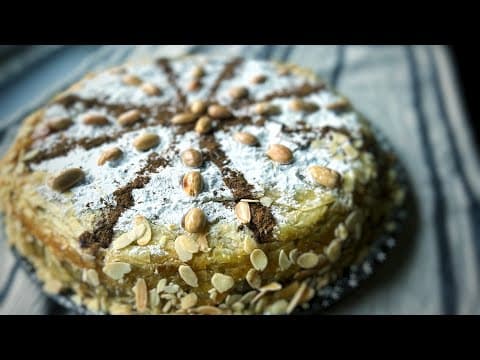
Pastilla au poulet et aux amandes
Une pastilla marocaine sucrée-salée à base de poulet tendre, d'amandes grillées, de sauce parfumée au miel et aux épices, enveloppée dans des feuilles de brick beurrées et cuite au four. Idéale pour les fêtes ou un repas convivial.

Tajine de poulet aux pommes de terre et pain maison
Un tajine marocain réconfortant de cuisses de poulet mijotées avec des pommes de terre, des olives, du citron confit et des herbes fraîches, accompagné de pain maison moelleux. Idéal pour le repas de l'iftar pendant le Ramadan.
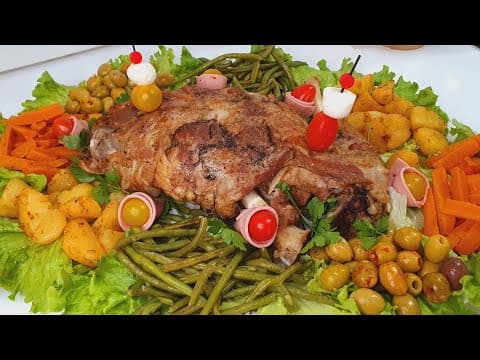
Gigot d'agneau rôti au four avec légumes sautés
Un gigot d'agneau de 3 kg, ultra‑tendre, cuit lentement au four avec du romarin, de l'ail et des graines de coriandre, accompagné de haricots verts, carottes et pommes de terre vapeur légèrement sautés à l'huile d'olive, beurre, cumin et herbes de Provence. Parfait pour un repas familial marocain.
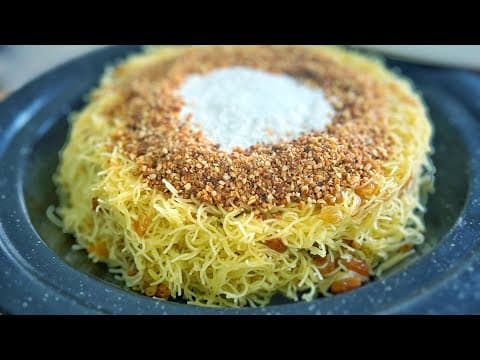
Sfina d'agneau (vermicelles marocains à la viande)
Sfina d'agneau est une spécialité marocaine où les vermicelles légèrement grillés, parfumés à l'eau de fleur d'oranger, sont superposés avec de l'agneau mijoté, des raisins secs et une sauce riche. Le plat se termine par une touche sucrée de sucre glace, de praliné et d'amandes grillées. Idéal pour un repas de fête ou un dimanche gourmand.
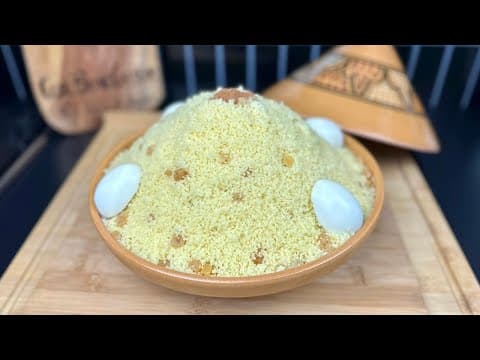
Couscous sucré (Couscous CEFA)
Un couscous sucré traditionnel marocain, appelé Couscous CEFA, préparé avec de la semoule, des raisins secs, du beurre et parfumé à la cannelle. Idéal pour le Ramadan ou comme dessert festif.
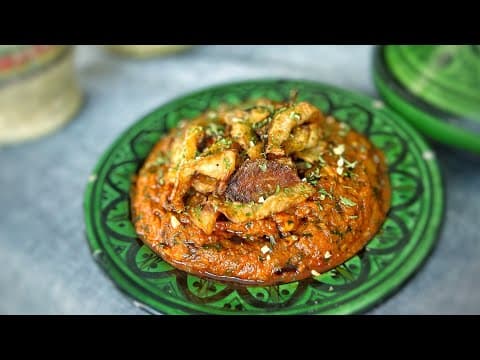
Caviar d'aubergine marocain
Un caviar d'aubergine à la marocaine, riche en saveurs grâce à des aubergines rôties, une sauce tomate épicée et des chips d'aubergine croustillantes. Parfait en entrée ou en accompagnement, ce plat végétarien allie douceur, fumé et piquant.