

Amazon Associates PartnerTrusted
As an Amazon Associate, we earn from qualifying purchases made through links on this page. This helps support our site at no extra cost to you. Clicking on ingredient or equipment links will take you to amazon.com where you can purchase these items.
Nutella maison à la noisette
Une pâte à tartiner chocolat-noisette maison, plus saine et savoureuse que le Nutella industriel. Avec moins d'huile et de sucre, cette version utilise des noisettes torréfiées, du cacao non sucré, du lait en poudre et un filet d'huile neutre pour obtenir une texture onctueuse. Idéale à tartiner sur du pain, des crêpes ou à incorporer dans des desserts.
Shop all ingredients on Amazon in one click • Printable PDF with shopping checklist
Cost Breakdown
Critical Success Points
- • Torréfier les noisettes sans les brûler
- • Enlever la peau des noisettes pour éviter l’amertume
- • Mixer jusqu’à obtenir une pâte très lisse
- • Émulsionner correctement l’huile pour éviter une séparation
Safety Warnings
- • Manipuler le four avec des gants de cuisine pour éviter les brûlures.
- • Ne pas surcharger le mixeur pour éviter la surchauffe du moteur.
Frequently Asked Questions
Everything you need to know about this recipe
What is the cultural significance and history of Nutella maison à la noisette in French cuisine?
Nutella maison à la noisette reflects France's long tradition of homemade spreads, dating back to the early 20th century when families prepared their own confitures and pâte à tartiner. The recipe popularized by YouTube channel Oum Arwa modernizes this heritage by offering a healthier, artisanal alternative to industrial hazelnut spreads. It embodies the French value of quality ingredients and culinary craftsmanship.
What are the traditional regional variations of Nutella maison à la noisette in French cuisine?
In the Provence region, hazelnut spreads often incorporate local almond paste and a hint of orange blossom water, while in the Alsace area, a touch of kirsch or walnut oil is sometimes added. Northern French versions may use rapeseed oil for a milder flavor. Each variation adapts the base hazelnut‑cocoa blend to regional taste preferences and ingredient availability.
What is the authentic traditional way Nutella maison à la noisette is served in France, especially in breakfast or dessert contexts?
In France, Nutella maison à la noisette is traditionally spread thinly on fresh baguette slices, brioche, or toasted pain de campagne for breakfast. It is also used as a filling for crêpes, galettes, and as a topping for mille‑feuille or profiteroles. The emphasis is on balance, letting the spread complement rather than overwhelm the pastry.
What occasions or celebrations is Nutella maison à la noisette traditionally associated with in French culture?
While not tied to a specific holiday, Nutella maison à la noisette appears frequently at family brunches, children's birthday parties, and during the festive season of Noël when homemade treats are prized. It is also a popular addition to the goûter (afternoon snack) tradition, especially for schoolchildren.
How does Nutella maison à la noisette fit into the broader French cuisine tradition of spreads and pâtés?
French cuisine values spreads that can elevate simple breads, and Nutella maison à la noisette joins a lineage that includes pâté de campagne, rillettes, and fruit confitures. Like these classics, it is crafted to highlight high‑quality nuts and careful emulsification, reinforcing the French emphasis on texture and flavor harmony in spreads.
What are the authentic traditional ingredients for Nutella maison à la noisette versus acceptable substitutes?
The authentic ingredients are roasted hazelnuts, unsweetened cocoa powder, powdered milk, a pinch of salt, and a neutral oil such as rapeseed or sunflower oil. Acceptable substitutes include using almond butter instead of some hazelnuts for a milder taste, or replacing powdered milk with oat milk powder for a dairy‑free version, while still preserving the spread’s creamy consistency.
What other French dishes pair well with Nutella maison à la noisette?
Nutella maison à la noisette pairs beautifully with classic French crêpes, pain perdu (French toast), and brioche toast. It also complements a tartine de fromage blanc topped with fresh berries, offering a sweet‑savory contrast that is popular in French cafés.
What are the most common mistakes to avoid when making Nutella maison à la noisette from the YouTube channel Oum Arwa recipe?
Common mistakes include under‑roasting the hazelnuts, which leaves a bitter flavor, and adding too much oil, which makes the spread runny. Another pitfall is overheating the mixture, which can scorch the cocoa and alter the texture. Following the precise timing and temperature guidelines from the Oum Arwa video helps prevent these issues.
How do I know when Nutella maison à la noisette has reached the proper texture and appearance during preparation?
The spread should become glossy and smooth, with a thick but pourable consistency that coats the back of a spoon. When the mixture no longer shows grainy hazelnut particles and the color is a deep, uniform brown, it indicates that the emulsification is complete. Allowing it to cool slightly will further firm up the texture for storage.
What does the YouTube channel Oum Arwa specialize in, and how does it approach French cooking in its Nutella maison à la noisette video?
The YouTube channel Oum Arwa specializes in accessible, home‑cooked recipes that blend traditional French techniques with modern health‑conscious twists. In the Nutella maison à la noisette video, Oum Arwa emphasizes using fewer oils and sugars while preserving authentic French flavors, demonstrating step‑by‑step methods that are easy for beginners to follow.
You Might Also Like
Similar recipes converted from YouTube cooking videos
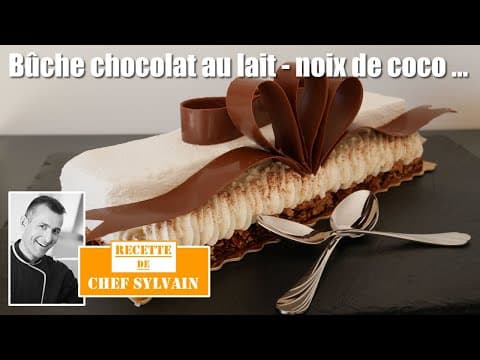
Bûche de Noël au chocolat au lait, noix de coco et chantilly au miel
Une bûche de Noël festive composée d’un croustillant chocolat‑amande, d’une dacquoise à la noix de coco, d’une mousse onctueuse au chocolat au lait et d’une chantilly au miel, le tout recouvert d’un voile blanc à base de beurre de cacao et décoré de rubans de chocolat.
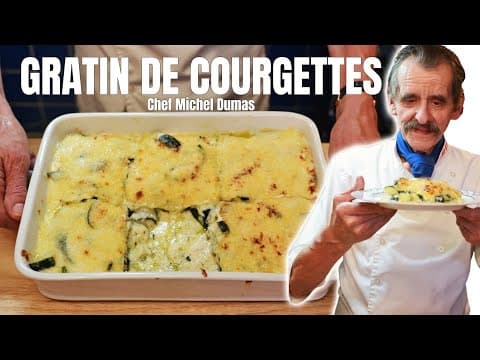
Gratin de courgettes
Un gratin de courgettes réconfortant, sans béchamel, à base de beurre à l'ail, de crème épaisse et de fromage râpé. Idéal pour les soirées d'hiver, riche en calories et très simple à préparer.
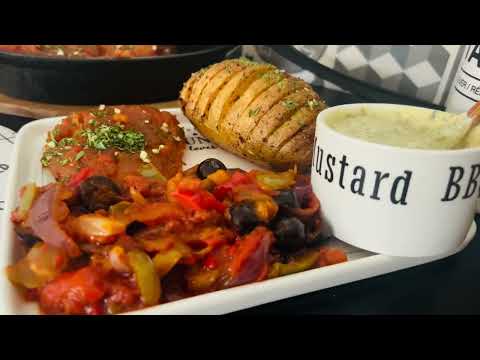
Poisson à la basquaise avec pommes de terre à la suédoise
Un plat basque revisité où le poisson blanc est enrobé d'une farine épicée, frit puis mijoté dans une sauce tomate aux poivrons, olives et piment d'Espelette. Il est accompagné de rondelles de pommes de terre cuites à la façon suédoise, parfumées à l'ail, à l'origan et au piment d'Espelette. Un repas complet, savoureux et économique.
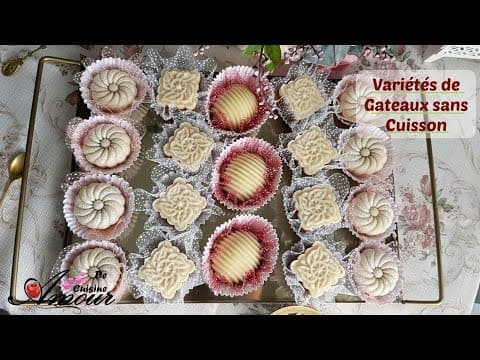
Gâteau sans cuisson à la noix de coco
Un gâteau sans cuisson moelleux à base de biscuits, Nutella et une couche riche en noix de coco et amandes, enrobé de chocolat blanc. Idéal pour les fêtes, facile à préparer et personnalisable avec des colorants ou du chocolat noir.

Cheesecake Spéculoos sans cuisson
Un cheesecake sans cuisson ultra rapide, à base de biscuits spéculoos, fromage frais, mascarpone et une touche de pâte à tartiner spéculoos. Prêt en moins de 30 minutes, il suffit de le laisser prendre au réfrigérateur pendant 3 heures avant de déguster.
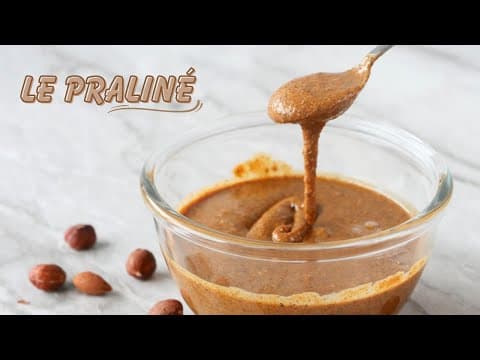
Praliné Amandes Noisettes Maison
Découvrez comment réaliser un praliné maison onctueux à base d'amandes et de noisettes, parfait à tartiner, à incorporer dans des crèmes ou à utiliser comme garniture pour le Paris‑Brest. La recette détaillée vous guide pas à pas, du torréfaction des fruits secs à la préparation du caramel, jusqu'au mixage final.