

Amazon Associates PartnerTrusted
As an Amazon Associate, we earn from qualifying purchases made through links on this page. This helps support our site at no extra cost to you. Clicking on ingredient or equipment links will take you to amazon.com where you can purchase these items.
Quiche Lorraine à la Mascarpone
Une version légèrement revisitée de la traditionnelle quiche Lorraine, enrichie de mascarpone pour une texture onctueuse et un goût plus riche. Simple à préparer avec des ingrédients classiques et quelques touches de fromage, idéale pour un déjeuner ou un dîner léger.
Shop all ingredients on Amazon in one click • Printable PDF with shopping checklist
Cost Breakdown
Critical Success Points
- • Fouetter le mascarpone doucement pour obtenir une texture lisse
- • Ne pas surcuire la quiche afin d’éviter qu’elle ne devienne sèche
Safety Warnings
- • Manipuler le four chaud avec précaution ; utiliser des gants de cuisine.
- • Faire attention aux lardons chauds qui peuvent éclabousser lors de l’ajout.
Frequently Asked Questions
Everything you need to know about this recipe
What is the cultural significance and history of Quiche Lorraine à la Mascarpone in French cuisine?
Quiche Lorraine à la Mascarpone is a modern twist on the classic quiche from the Lorraine region of France, incorporating creamy mascarpone for extra richness. Historically, the original quiche Lorraine featured only eggs, cream, and lardons, reflecting the region's rustic culinary traditions. The addition of mascarpone showcases contemporary French chefs' willingness to blend traditional recipes with luxurious ingredients.
What are the traditional regional variations of Quiche Lorraine in French cuisine, and how does Quiche Lorraine à la Mascarpone compare?
In French cuisine, traditional Quiche Lorraine from the Lorraine region uses a simple pâte brisée, eggs, crème fraîche, and smoked lardons. Variations from Alsace may include cheese such as Munster, while the Parisian version sometimes adds shallots. Quiche Lorraine à la Mascarpone enriches the classic base with mascarpone and Emmental, creating a silkier texture while still honoring the original flavor profile.
What is the authentic traditional way Quiche Lorraine à la Mascarpone is served in the Lorraine region of France?
In the Lorraine region, the authentic serving style for a quiche, including the modern Quiche Lorraine à la Mascarpone, is warm, sliced into generous wedges and accompanied by a simple green salad dressed with vinaigrette. It is often enjoyed as a light lunch or a brunch dish, sometimes with a glass of crisp white wine such as Pinot Gris. The emphasis is on letting the creamy filling shine without heavy accompaniments.
During which occasions or celebrations is Quiche Lorraine à la Mascarpone traditionally associated in French culture?
Quiche Lorraine, and by extension Quiche Lorraine à la Mascarpone, is traditionally served at family brunches, casual gatherings, and festive picnics in French culture. It appears on holiday buffets such as Noël (Christmas) and Pâques (Easter) when a light yet elegant dish is desired. The added mascarpone makes it a popular choice for special occasions where a richer flavor is appreciated.
How does Quiche Lorraine à la Mascarpone fit into the broader French cuisine tradition?
Quiche Lorraine à la Mascarpone exemplifies the French culinary principle of elevating simple, regional dishes with high‑quality ingredients. It maintains the classic French technique of blind‑baking a pâte brisée and using a custard filling, while the mascarpone introduces a luxurious mouthfeel typical of French pâtisserie. This balance of tradition and refinement reflects the broader French tradition of honoring heritage while innovating.
What are the authentic traditional ingredients for Quiche Lorraine versus the acceptable substitutes used in Quiche Lorraine à la Mascarpone?
The authentic Quiche Lorraine calls for pâte brisée, smoked lardons, eggs, crème fraîche, and a pinch of nutmeg. In Quiche Lorraine à la Mascarpone, the crème fraîche is complemented with mascarpone and grated Emmental, which are acceptable modern substitutes that add creaminess and depth. If mascarpone is unavailable, a mixture of ricotta and heavy cream can approximate the texture while preserving the dish’s French character.
What other French dishes pair well with Quiche Lorraine à la Mascarpone for a balanced meal?
Quiche Lorraine à la Mascarpone pairs beautifully with a crisp green salad dressed in a light mustard vinaigrette, offering contrast to its richness. A side of ratatouille or a simple beurre blanc‑glazed asparagus can add seasonal vegetables. For a more indulgent spread, serve it alongside a charcuterie board featuring saucisson, pâté, and cornichons.
What makes Quiche Lorraine à la Mascarpone special or unique in French cuisine compared to the classic Quiche Lorraine?
The addition of mascarpone creates a velvety custard that is richer than the traditional crème fraîche‑only filling, giving Quiche Lorraine à la Mascarpone a distinctive silkiness. This modern adaptation respects the classic lardon and cheese flavors while introducing a luxurious dairy element rarely found in historic French quiches. The result is a dish that feels both familiar and upscale, appealing to contemporary French palates.
How has Quiche Lorraine à la Mascarpone evolved over time in French culinary tradition?
Originally, Quiche Lorraine was a simple farmhouse dish made with eggs, cream, and lardons. Over the 20th century, French chefs began experimenting with richer cheeses, leading to versions with Gruyère or Emmental. The recent evolution to include mascarpone reflects a trend toward incorporating Italian dairy techniques into French cuisine, creating a cross‑cultural hybrid that maintains the quiche’s rustic roots while offering a modern, creamy texture.
What are the most common mistakes to avoid when making Quiche Lorraine à la Mascarpone at home?
A frequent mistake is under‑baking the crust, which can become soggy from the moist mascarpone filling; blind‑bake the pâte brisée for at least 10 minutes before adding the custard. Over‑mixing the egg‑cream‑mascarpone mixture can incorporate too much air, leading to cracks on the surface. Finally, using lardons that are not fully rendered can result in excess grease and a greasy topping.
How do I know when Quiche Lorraine à la Mascarpone is done cooking and ready to be removed from the oven?
The quiche is done when the edges of the custard are set and a light golden crust forms on the top, while the center still has a slight wobble that will firm up as it rests. A thin knife inserted near the center should come out clean or with only a few moist crumbs. Additionally, the internal temperature should reach about 70 °C (158 °F) for safe consumption.
What does the YouTube channel MaxiRecettes specialize in, and how does it relate to French cooking?
The YouTube channel MaxiRecettes specializes in clear, step‑by‑step video tutorials of classic and contemporary French recipes, ranging from pastries to hearty main courses. It focuses on making French home cooking accessible to a global audience by providing detailed instructions, ingredient explanations, and cultural context. The channel often highlights regional specialties, such as Quiche Lorraine à la Mascarpone, to celebrate French culinary heritage.
What is the cooking philosophy and style of the YouTube channel MaxiRecettes when presenting French cuisine recipes like Quiche Lorraine à la Mascarpone?
MaxiRecettes follows a philosophy of simplicity combined with authenticity, emphasizing technique mastery while using readily available ingredients. The style is instructional yet personable, with the host narrating each step, offering tips on ingredient selection, and explaining the cultural background of dishes such as Quiche Lorraine à la Mascarpone. This approach helps viewers reproduce restaurant‑quality French meals at home.
You Might Also Like
Similar recipes converted from YouTube cooking videos

Assortiment sucré de crêpe avec garniture croquante
Une crêpe moelleuse nappée de pâte à tartiner chocolat‑noisette, décorée de gaufrettes croustillantes ou de biscuits en forme de cigare. Rapide, gourmande et parfaite pour le petit‑déjeuner ou le dessert.
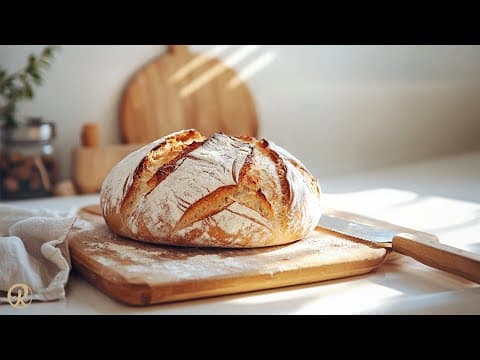
Pain maison rapide à la cocotte
Un pain maison moelleux et croustillant, réalisé avec très peu de matériel (une cuillère en bois et une cocotte). La pâte se prépare en 5 minutes, pousse 3 h à température ambiante puis 12 h au frais, et cuit en 45 minutes dans un four préchauffé à 240 °C. Idéal pour les boulangers amateurs qui veulent un résultat professionnel sans robot pétrisseur.
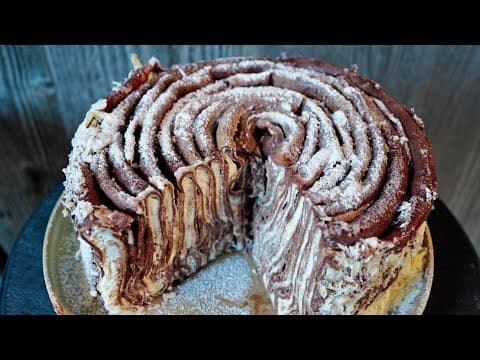
Gâteau de crêpes au chocolat – gâteau roulé pour la Chandeleur
Un gâteau de crêpes moelleuses au chocolat, garni d’une crème fouettée à la vanille et d’une fine couche de pâte à tartiner. Idéal pour la Chandeleur ou comme dessert gourmand. La recette détaille chaque étape, du mélange de la pâte à crêpe à l’assemblage du gâteau, avec astuces, temps de cuisson et conseils de conservation.
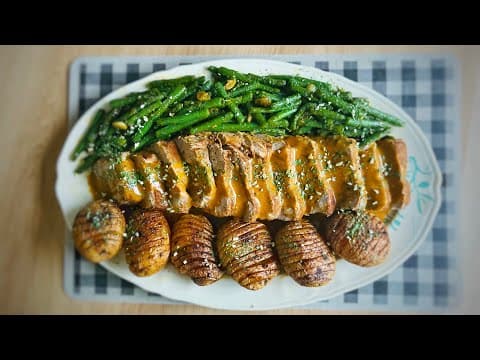
Rôti de veau aux pommes de terre rôties et haricots verts sautés
Un rôti de veau tendre et parfumé, accompagné de pommes de terre dorées au four et d'haricots verts croquants, le tout nappé d'une sauce crémeuse au vinaigre balsamique et à la moutarde. Idéal pour un repas de fête ou un dimanche en famille.
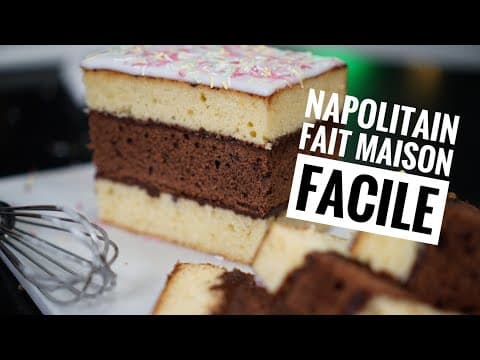
Napolitain maison facile
Un gâteau napolitain moelleux à trois couches (vanille, chocolat et cacao) avec ganache au chocolat et glaçage blanc, décoré de vermicelles colorés. Recette simple en un seul bol, idéale pour les fêtes ou un dessert gourmand.
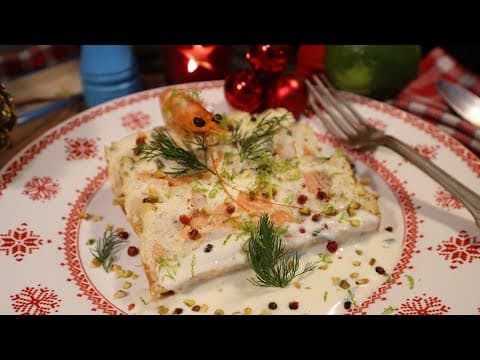
Terrine de fruits de mer à la sauce mousseline
Une terrine légère et raffinée à base de saumon, crevettes roses, coquilles Saint-Jacques, agrémentée de pistaches et d'une mousse de sauce mousseline. Idéale en entrée pour les fêtes de fin d'année ou un repas de printemps, elle se prépare la veille et se sert froide, accompagnée d'une sauce aérienne au citron.