
Tasting History with Max Miller
22 recipes converted from their YouTube cooking videos.
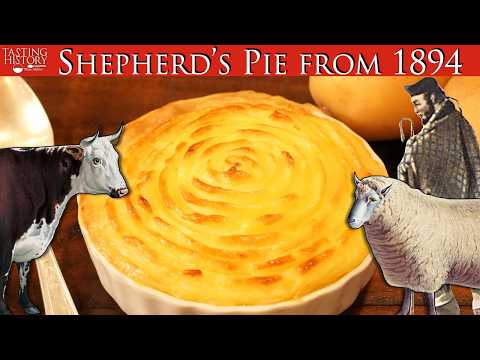
Making Shepherd’s Pie from an 1894 Recipe - Beef or Lamb?
A Victorian‑era Shepherd's (or Cottage) Pie recreated from an 1898 recipe. Minced cold roast beef is seasoned with cloves and mushroom ketchup, topped with buttery cream‑mashed potatoes, brushed with an egg‑cream glaze and baked until golden. The dish reflects the simple, meat‑and‑potato comfort food of the British Isles in the 19th century.

The History of Gumbo in New Orleans
A faithful recreation of a 1885 Creole gumbo recipe from the historic cookbook La Cuisine Creole. This slow‑simmered stew features browned beef and ham, fresh okra, crab or shrimp, and a nutty brown flour thickener, capturing the multicultural roots of New Orleans cuisine.

Dracula’s Paprika Hendl from Bram Stoker’s 1897 Novel
A historic Hungarian‑style chicken paprikash, known in Bram Stoker's *Dracula* as "paprika hendle," served with soft egg‑flour dumplings (galuska). The dish combines tender chicken simmered in a sweet paprika‑sour‑cream sauce with fluffy dumplings, recreating the 1890s recipe described in the novel.
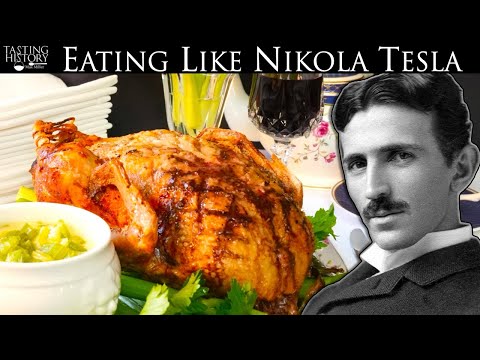
Nikola Tesla's Weird Eating Habits
A historic recreation of Nikola Tesla's favorite dinner: a whole roast duck surrounded by a mound of celery stalks and served with a creamy celery‑nutmeg sauce. The recipe is based on an 1896 Waldorf cookbook and the YouTube tutorial from Tasting History with Max Miller. It combines classic French‑style roasting with a unique "smothering" technique that infuses the bird with subtle celery flavor.
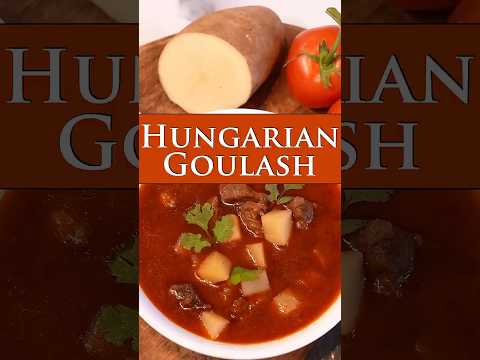
Hungarian Goulash (100‑Year‑Old Recipe)
A comforting, slow‑cooked Hungarian goulash inspired by a 100‑year‑old recipe. The dish showcases the historic evolution of paprika in Hungarian cuisine and delivers a rich, hearty soup perfect for any season.
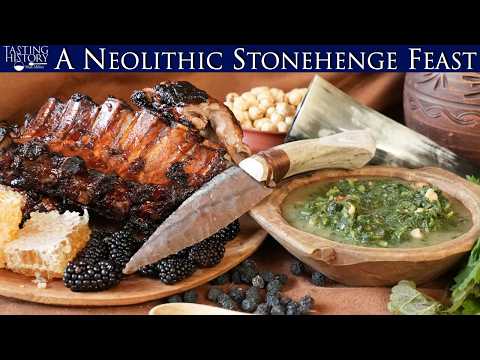
What Did the Builders of Stonehenge Eat?
A Neolithic‑inspired feast recreating what the builders of Stonehenge might have eaten: succulent pork ribs glazed with honey and blackberries, paired with a hearty nettle and hazelnut soup. The recipe blends archaeological clues with modern kitchen techniques for a flavorful, historically‑themed dinner.
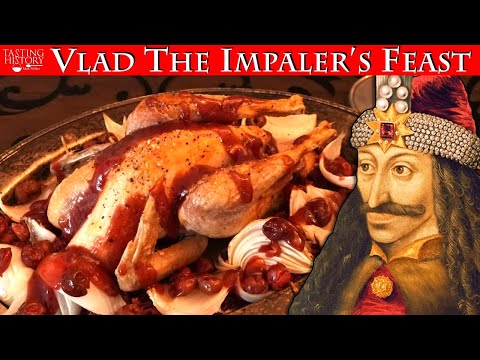
Transylvanian Sour Cherry Sauce with Roast Pheasant
A historically inspired dish recreating a 16th‑century Transylvanian sour cherry sauce served over a perfectly roasted pheasant. The sauce balances tart cherries, sweet Tokaji wine, honey, and warm spices, while the lean game bird is basted with butter and stuffed with the strained cherry pulp for extra flavor.
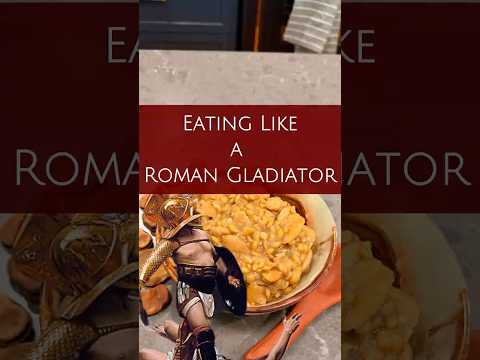
How to Eat like a Roman Gladiator
A rustic, protein‑rich porridge inspired by the diet of ancient Roman gladiators. Hulled barley and soaked fava beans are simmered together, then flavored with sautéed onions, garlic, vinegar and garum (ancient Roman fermented fish sauce) for a salty‑tangy finish. The dish is hearty enough to fuel a day in the arena yet simple enough for a modern kitchen.
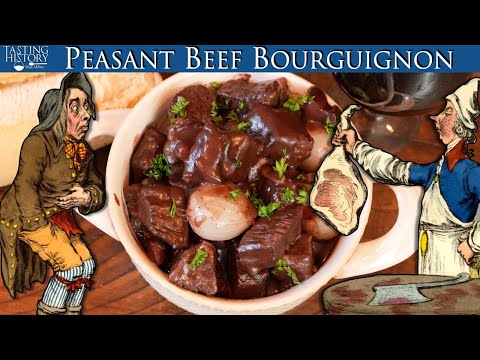
Beef Bourguignon for the French Peasants from 1885
A historic French sauce from an 1885 cookbook, made with rendered pork belly, butter, flour, red Burgundy wine, onions and beef broth, then tossed with tender stewed beef. This version follows Max Miller’s reconstruction on Tasting History, delivering a wine‑forward, sauce‑only dish that showcases the original peasant roots of the classic beef bignon.
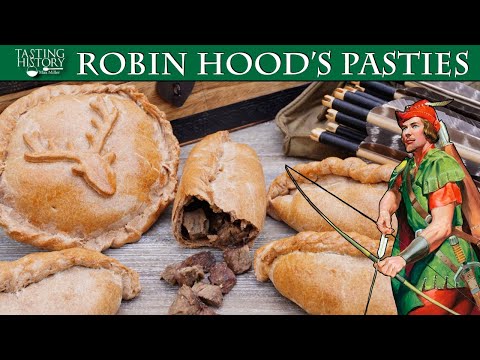
Medieval Venison Pasties (Robin Hood Style)
Recreate the hearty venison pasties described in a 15th‑century English manuscript and enjoyed by Robin Hood and his merry men. This recipe follows the historic “Venyson y‑bake” method with a simple spice blend, whole‑wheat pastry, and a two‑stage baking process for a golden, game‑filled hand‑pie.
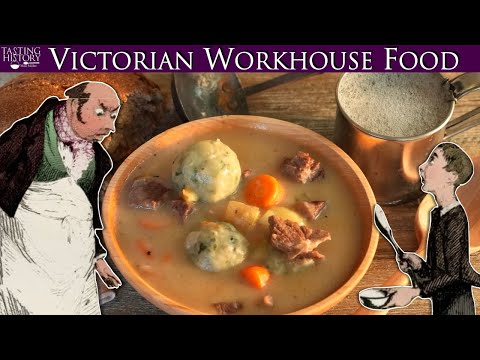
Eating Like a Victorian Workhouse Inmate - Scouse & Suet Dumplings
A hearty beef and vegetable stew (scouse) straight from a 1901 Victorian workhouse cookbook, thickened with a butter‑flour roux and finished with traditional beef suet dumplings. The recipe is tripled to serve a family and recreates the simple, economical fare that workhouse inmates would have eaten for dinner.
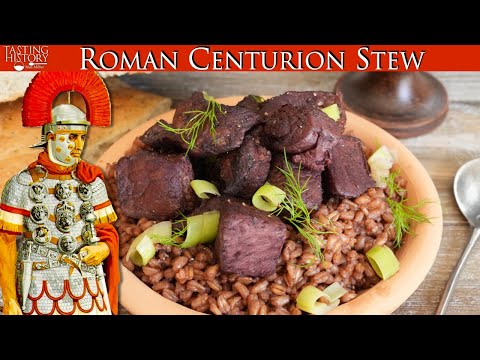
Feeding A Roman Centurion - Pork & Puls
A historically inspired Roman centurion’s meal featuring bite‑size pork pieces cooked in a garum‑or‑salt seasoned wine sauce, served over a hearty farro (whole wheat) pulse. The dish balances savory pork, tangy reduced grape must, aromatic dill and leek, and the nutty texture of farro, recreating a taste of ancient Roman officer cuisine.

160 year old recipe for Welsh Rarebit
A Victorian‑era comfort snack of melted sharp cheddar, ale, mustard and a pinch of cayenne poured over hot buttered toast. Simple, flavorful, and best enjoyed piping hot.

Cooking Kangaroo on the World War 2 Australian Home Front
A historically accurate Australian wartime stew using lean kangaroo meat, marinated in a simple mustard‑vinegar rub and simmered with onion, carrot and parsley. The recipe follows a 1943 ration cookbook, featuring a long marination period and a thickened gravy, offering a glimpse into home‑front cooking during World War II.

French Onion Soup from 1651
A historic French onion soup from 1651 that uses milk instead of broth and omits the modern Gruyère topping. Caramelized onions are simmered in milk for a rich, velvety broth, served over a toasted baguette slice at the bottom of the bowl. Inspired by the Tasting History with Max Miller video and the Tasting History cookbook.

The Pastry War - When France invaded Mexico over pastry
A historic 19th‑century French pastry known as Paur or "Well of Love" – flaky puff pastry rings filled with sweet raspberry jam and finished with a sugar glaze. Inspired by an 1840 cookbook and the story of the Pastry War, this recipe uses store‑bought puff pastry for convenience and a quick homemade jam.

Did This Meal Kill Mozart?
A historically inspired Austrian pork loin recipe from an 18th‑century cookbook, featuring a sweet rye‑breadcrumb and cinnamon crust. The pork is first seared, then gently boiled with wine, vinegar, herbs, and lemon zest before being baked to a golden crust. Inspired by the meal Mozart may have eaten before his mysterious death.

Tasting Misery: 20 Worst Tasting History Recipes
A recreation of the historical "white ketchup" described by Max Miller on his Tasting History channel. This salty, anchovy‑based sauce is meant to be mixed into a white sauce or béchamel, offering a pungent umami boost. It’s not intended to be eaten on its own.

The Bizarre History of Salisbury Steak
A nostalgic recreation of the 1980s USDA school‑lunch Salisbury steak served with classic brown gravy. Made with ground beef, rolled oats, and a simple roux‑based sauce, this dish captures the simple, hearty flavor of American school cafeterias while staying quick and easy for home cooks.
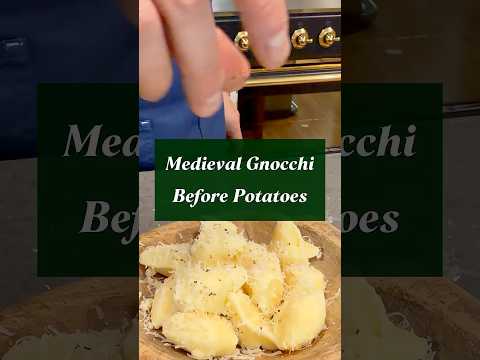
700 year old Gnocchi Recipe with Cheese
A simple medieval-inspired cheese dumpling made with fresh goat cheese, egg yolk, and semolina, boiled and finished with a sprinkle of Parmesan. No potatoes, just pure cheese goodness as described by Max Miller on Tasting History.
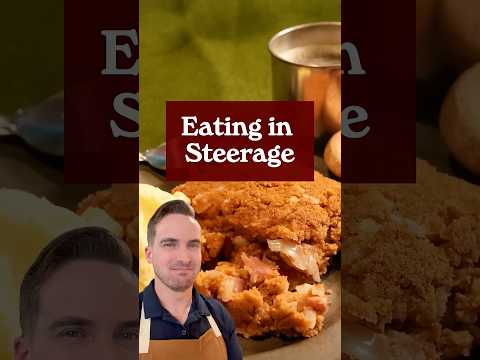
The Horrible Meal from Steerage c. 1890
A historically accurate recreation of the 19th‑century steerage dish known as biscuit hash. Made with salt pork, simple vegetables and hard‑tack sea biscuits, this rustic hash gives a taste of life aboard an ocean liner in the 1800s.
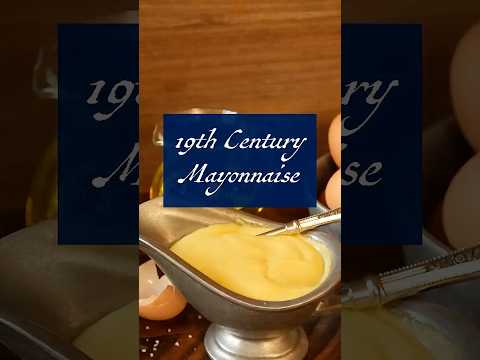
A 200-year-old Recipe for Mayonnaise
A thick, tangy mayonnaise inspired by a 200‑year‑old French recipe that uses tarragon‑infused vinegar, gelatin, and extra‑virgin olive oil. The gelatin gives the sauce a richer, more stable texture than modern store‑bought mayo.